Loading titles…
No cast information available.
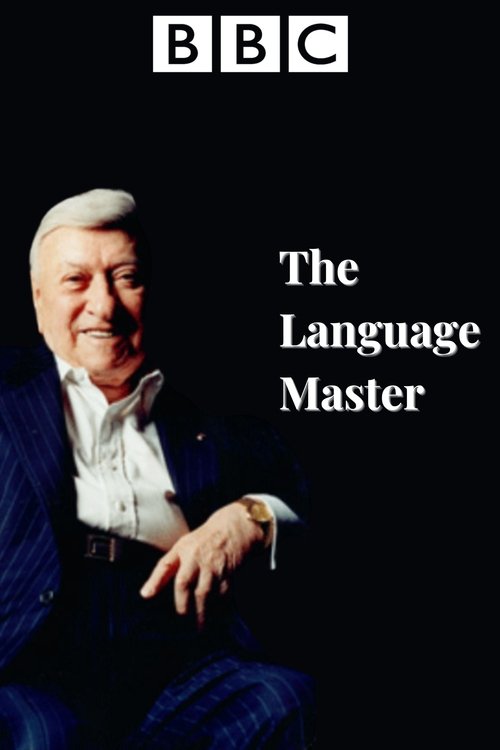
Michel Thomas is one of the most brilliant language teachers in the world. His usual clients are movie stars and business leaders. This programme takes him to a Sixth Form College in London to work with school pupils, to test his claim that he can teach anyone a language in a week - with no reading, writing or homework. The film also explores his personal history - as a hero of the French Resistance during WW II. Nigel’s documentary with the 85 year old Michel Thomas was the first time that Thomas allowed his techniques to be made public. The subsequent success of the film transformed Thomas into a global celebrity and his method into one of the most highly regarded in the world of education.
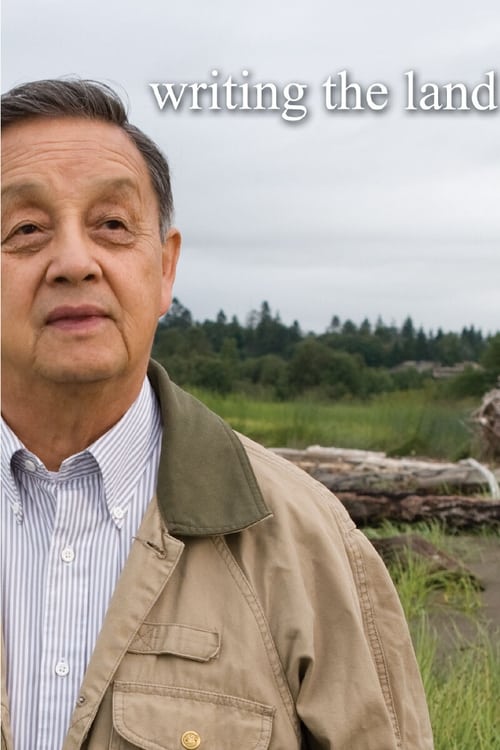
In this short documentary, a Musqueam elder rediscovers his Native language and traditions in the city of Vancouver, in the vicinity of which the Musqueam people have lived for thousands of years. Writing the Land captures the ever-changing nature of a modern city - the glass and steel towers cut against the sky, grass, trees and a sudden flash of birds in flight and the enduring power of language to shape perception and create memory.
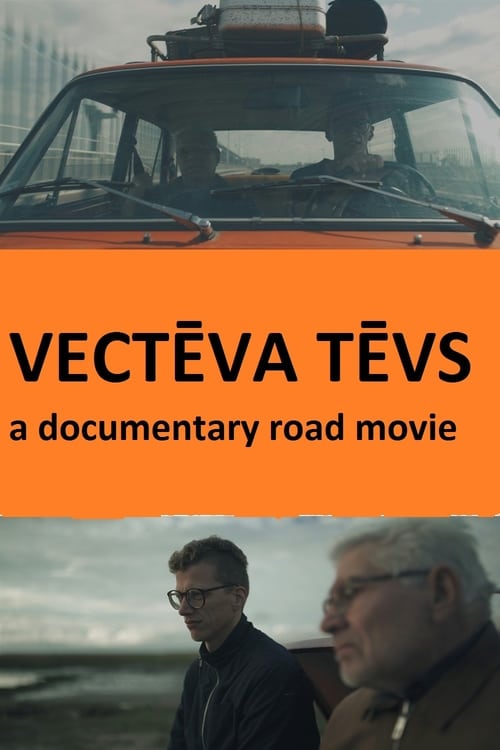
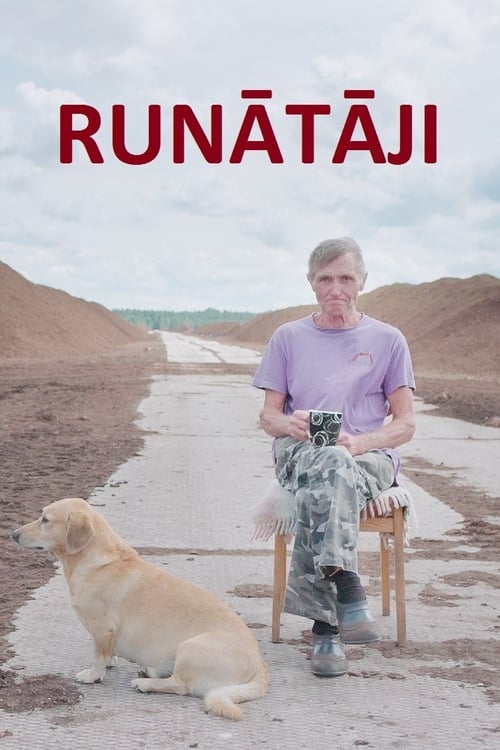
In this film a young man and his curmudgeonly grandfather are going 1,800 km to northern Russia in an old Zhiguli car, hoping to find the grave of their great-grandfather, who was deported. The grandfather Andris is sceptic over the lofty quest, initiated by his grand-son, as it’s not known what awaits them at their destination. Andris thinks they won’t find anything and will come back to Latvia without ever learning what happened to his father. However ever-optimistic Kārlis wants to use the journey not only to find answers about the past but also become closer to his grandfather who raised him. They both lost their parents as children.
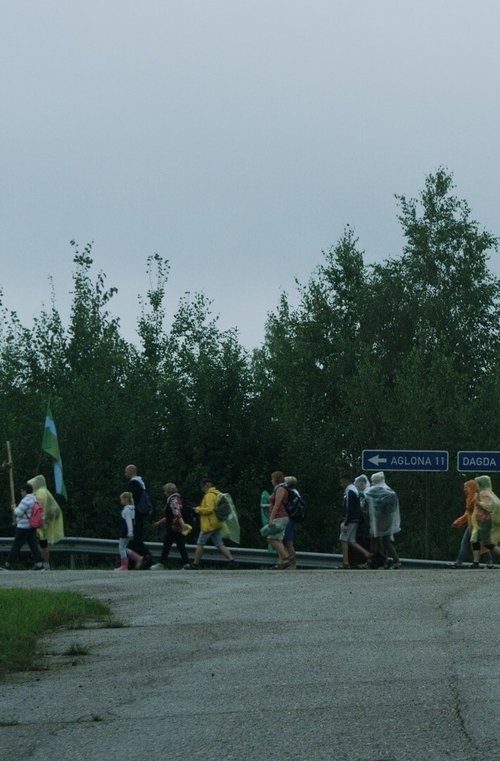
"If a person doesn't go to church anymore, then the church should go to them," says Rinalds, a calm, smiling, young man with a good sense of humor. He is a priest from a small village in Latgale, Latvia's easternmost and poorest region, and the documentary Prīsters (The Priest) follows the routines of his daily life, his thoughts of life and religion and why he chose this path for himself.
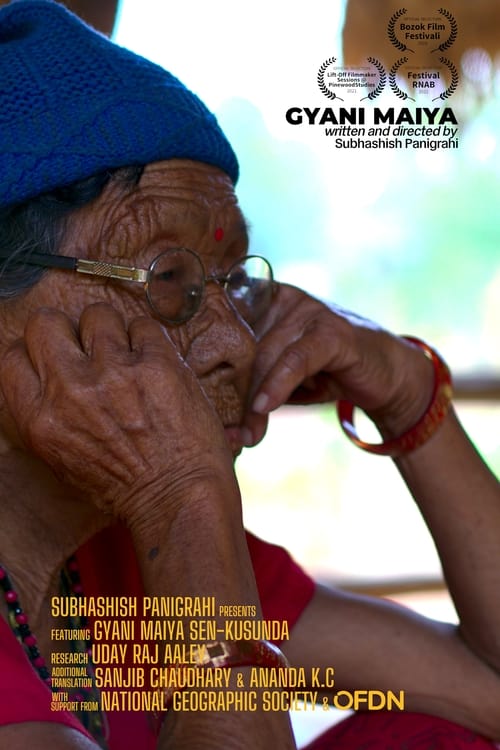
“We left our language and started speaking others’. The girls have got married and have left for the villages. Boys are getting married in villages. It should be taught to children”. — Gyani Maiya Sen-Kusunda The Gi Mihaq (also known as Kusunda) was a semi-nomadic hunter and gatherer community that settled in villages around the mid-western Nepalese district of Dang. They have long lost their native language Mihaq (Kusunda), to acculturation and other barriers to active use. The community also lost their 83-year-old elder Gyani Maiya Sen-Kusunda in 2020, the most and the only known fluent Kusunda speaker then. Filmed in Kulmor in the Dang District in 2018, this openly-licensed documentary is a memoir of Sen-Kusunda in her own words and a biography of her people who were forced to leave their language and cultural identity. Kusunda is being revived by Kamala Sen Khatri, Sen-Kusunda’s younger sister, and Uday Raj Aaley, a local researcher who is the key interviewer for this film.
Victor Klemperer (1881-1960), a professor of literature in Dresden, was Jewish; through the efforts of his wife, he survived the war. From 1933 when Hitler came to power to the war's end, he kept a journal paying attention to the Nazis' use of words. This film takes the end of 1945 as its vantage point, with a narrator looking back as if Klemperer reads from his journal. He examines the use of simple words like "folk," "eternal," and "to live." Interspersed are personal photographs, newsreel footage of Reich leaders and of life in Germany then, and a few other narrative devices. Although he's dispassionate, Klemperer's fear and dread resonate
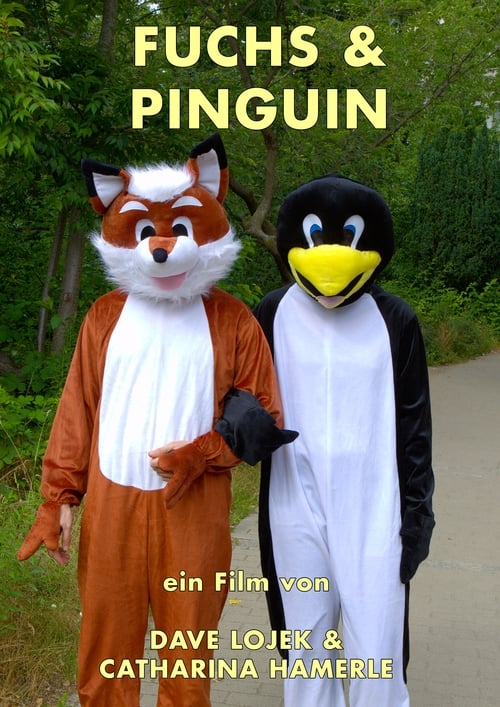
How do German couples communicate in private? What are they arguing about? Is the way to a man’s heart really through his stomach? This docu-fictional hybrid production discusses such questions with the help of authentic interview snippets that were edited under the staged plot. We get an insight into the life of an animal couple, who experience typical everyday situations on behalf of us humans. At first, our fox is emotionally contained, while the penguin lady may get wild as hell. With a wink, the filmmakers hold up a mirror to the audience in the cinema.