
Loading titles…
Documentary
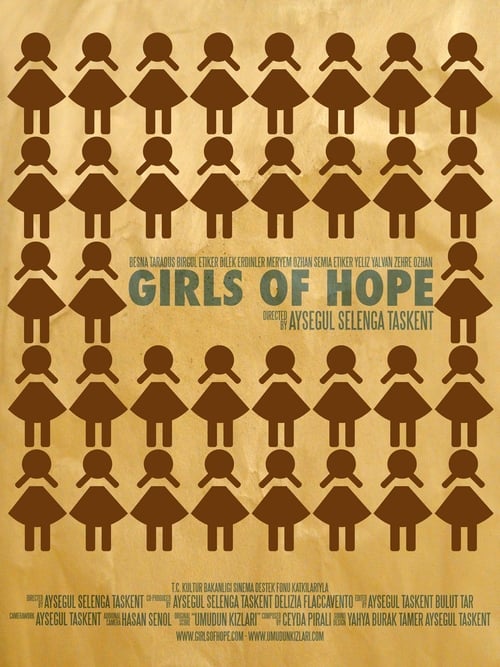
In Turkey far too many women are still unable to read and write, and all they see in their life span is being forced into early marriage and relegation to the home, where they look after extended families and more children than they can feed. The girls are portrayed in their…
Herself
Herself
Herself
Herself
Herself
HErself
Herself
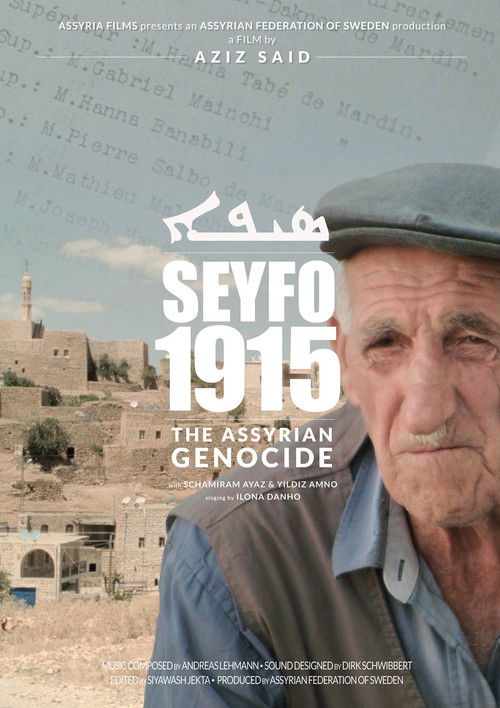
In the shadow of the First World War, the genocide of the Christian Assyrians took place almost unnoticed by the world public. This first systematic genocide of the 20th century was committed by the Young Turks (Ottoman Empire) and would not have been possible without the support of some Kurdish local rulers and their family clans. The Assyrians are the indigenous people of Mesopotamia and have lived in Mesopotamia for thousands of years. The film includes testimony from several European, Turkish and Assyrian historians, as well as genocide researchers, including Professor Taner Akcam, Dr. Gabriele Yonan and Professor David Gaunt. The film includes testimony from survivors of the genocide. Various journalists and publicists also have their say with well-researched information in this documentary. The Assyrians refer to the Genocide as "Seyfo" (ܣܝܦܐ), which translates as "sword".
The documentary tells the story of Uschi, a farmer living free and recluded in the bavarian alps. Shot in epic black and white pictures, Still follows Uschi's life over a ten year period. From an untroubled summer of making cheese through pregnancy and the uncertain future of the parental farm, Matti Bauer portrays Uschi's struggle to keep alive the dream of a way of life that has become rather untypical in this day and age.
SauAcker depicts the obstacles faced by Philipp, a young farmer determined to modernize his father's old-fashioned farm. His motto is "I'll do it my way". Philipp is fully committed and is even risking his relationship to attain his goals. The documentary paints a funny and charming picture of the two wayward heroes and presents an entertaining angle on the realities of contemporary society.
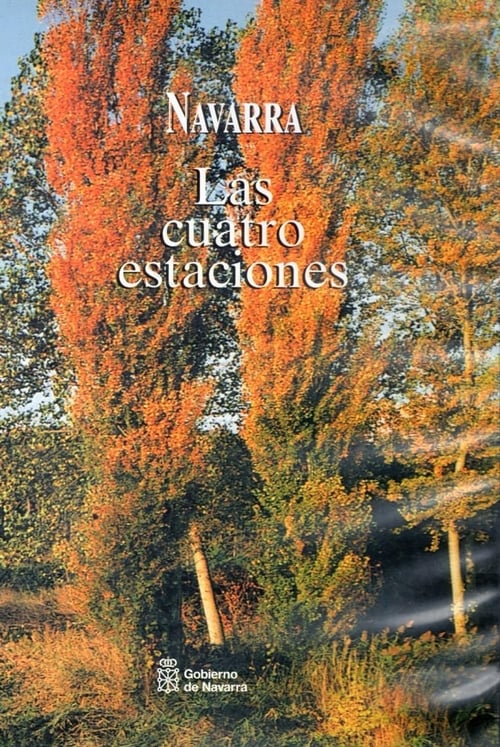
A sample of the most relevant and characteristic aspects of traditional Navarran culture: carnivals, pilgrimages, crafts involving farm implements and tools, agricultural work, patron saint festivals, and other manifestations of rural society and folklore unfold over 150 minutes at the pace set by the seasons. The film is a reference document of prime importance on traditional Navarrese society, which was beginning to disappear in the years when the film was shot due to the rapid transformation of the region into an industrialized society. More than thirty years later, this process has been almost completely accomplished, giving the film a unique added historical value.

Edeltraut Hertel - a midwife caught between two worlds. She has been working as a midwife in a small village near Chemnitz for almost 20 years, supporting expectant mothers before, during and after the birth of their offspring. However, working as a midwife brings with it social problems such as a decline in birth rates and migration from the provinces. Competition for babies between birthing centers has become fierce, particularly in financial terms. Obstetrics in Tanzania, Africa, Edeltraud's second place of work, is completely different. Here, the midwife not only delivers babies, she also trains successors, carries out educational and development work and struggles with the country's cultural and social problems.