Loading titles…
Comedy
H(o)me(o)pa®t(h)y is a home entertainment healing system based on Homoeopathic medicine which one can at least to a certain extent autonomously manage as first aid tool, if you are skilled enough. As an allusion to David Cronenberg's Videodrome where the president of a trashy…
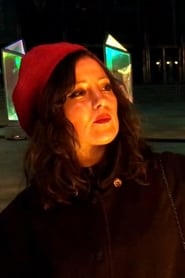
Miss Homeopathic World
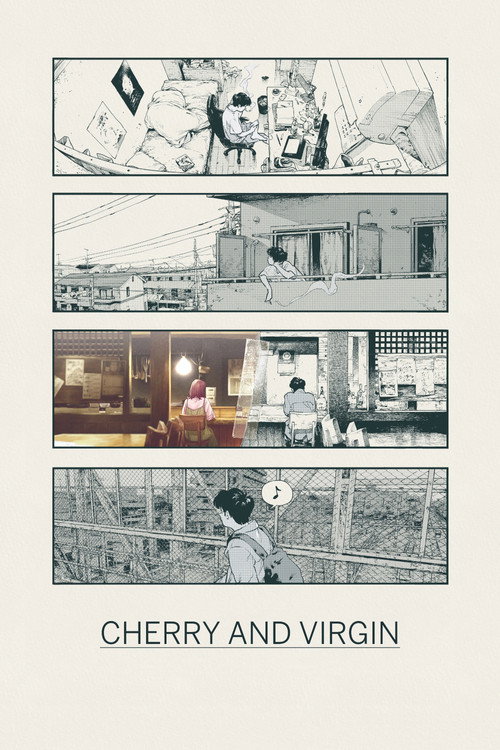
Erotic manga artist Ryo knows a lot about drawing sex, but when it comes to real life, he hasn't had much luck. Ami, a talented commercial illustrator who draws "boys' love" manga on the side, is in much the same predicament. The two cynical, 30-ish virgins have all but given up on romance, until they connect through a dating app and share a tentatively promising first date.

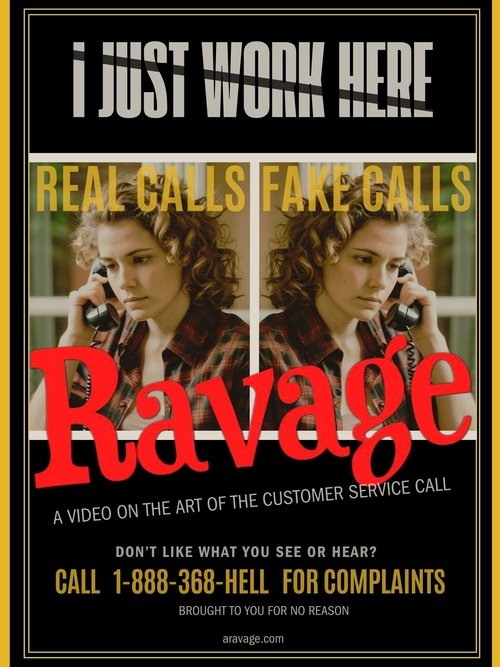
While you wait to hear if they'll pay your claim, there is almost nothing like the silent buzz at the other end of the line. Or when you say something that requires a response and the world says back, "no worries". There's an art to miscommunication, unthinking, the void, and the customer service call. Phoning it in might just be a necessary part of life. This rough-edged sketch mixing performance art living and film is a study of the phone call, American doofiness, and blank minds under the reign of the corporate call script. Everyone is impotent in the institutional setting.
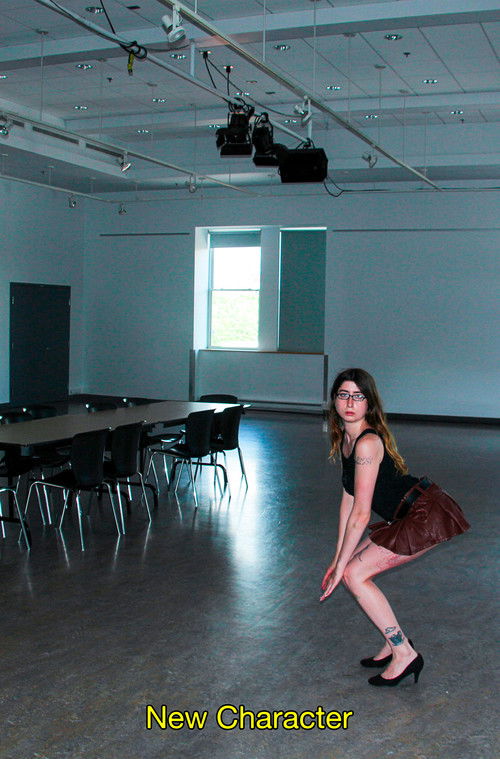
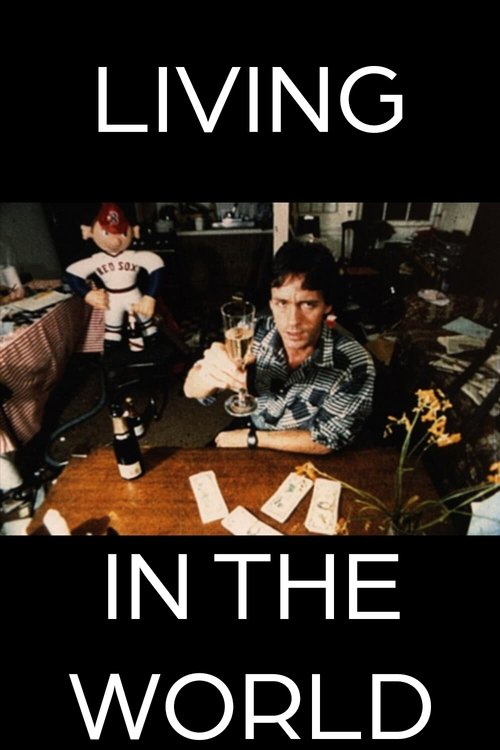


Untitled Fall '95 takes the form of a wryly humorous video diary of an art school student (sharply played by Bag) in the midst of “finding herself” in New York City. We can see the diarist physically and emotionally evolving throughout her eight semesters in the Big Apple. Such onscreen “confessionals” stem from the first major example of reality TV, The Real World. Interspersed throughout are commercial-like vignettes that further critique what it’s like to live in the world today. In Untitled Fall '95, Bag displays a profound self-awareness that evokes empathy on behalf of the viewer, despite her work’s glaring artificiality.
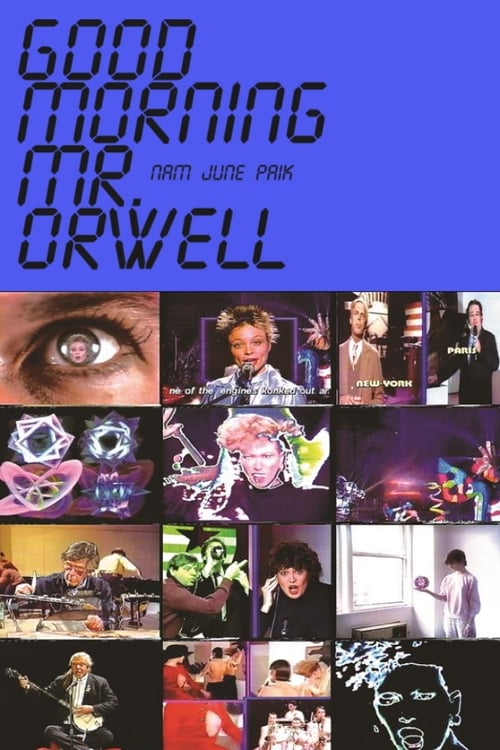
In his book "1984", George Orwell saw the television of the future as a control instrument in the hands of Big Brother. Right at the start of the much-anticipated Orwellian year, Paik and Co. were keen to demonstrate satellite TV's ability to serve positive ends-- Namely, the intercontinental exchange of culture, combining both highbrow and entertainment elements. A live broadcast shared between WNET TV in New York and the Centre Pompidou in Paris, linked up with broadcasters in Germany and South Korea, reached a worldwide audience of over 10 or even 25 million (including the later repeat transmissions).