Loading titles…
Anderson
Aruay
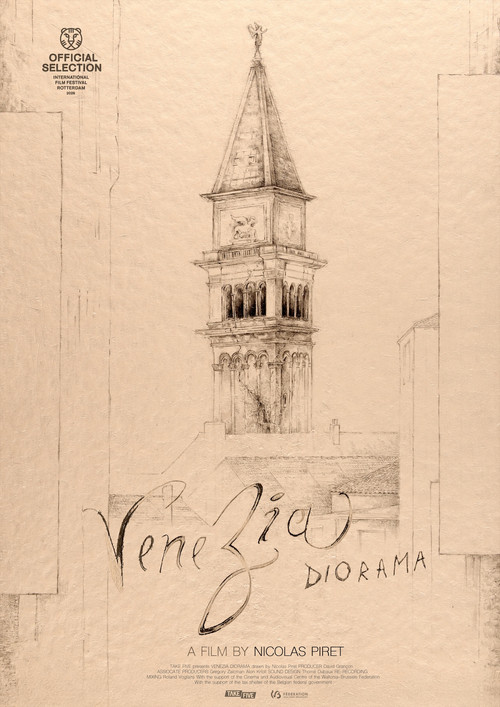
Through a series of animated art boards depicting a decaying Venice, the film unfolds like a set of postcards, capturing the mythical city's final moments of fragility. Blending archival footage with contemporary observations, and anchored by the story of the 1902 collapse of St Mark's Campanile, Venezia Diorama invites us to reflect on a city slowly eroding, yet suspended in time.



Altötting in Bavaria, around 120 km from Regensburg, is a much-visited pilgrimage site. Numerous Catholic pilgrims come here every year. The photographs show various groups of pilgrims in search of extraordinary and spiritual experiences, which are contrasted with the ordinariness of village life. The secular-commercial organization of the pilgrimage site and the marketing of the miracle do not always make it easy to distinguish between pilgrims and tourists, pilgrimage and spectacle, faith and madness.
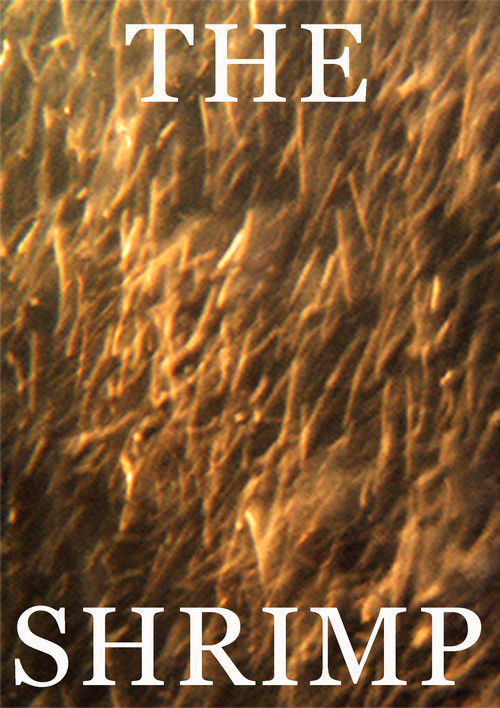
The Shrimp is a lush visualist's documentary that follows the life cycle of a shrimp along the marshes of Savannah, Georgia. Beautifully etched images and a canny audio soundtrack create a rich observational work about Southern culture, human folly and the interplay of natural and built environments.
On 1500 metres above sea level, on the slope of the mountain Hallingskarvet, stands "Tvergastein', the cabin of Norwegian philosopher Arne Naess. In his life he has spent nearly 12 years in this hut, where he wrote several books and essays on philosophy and ecology. In this film, Naess tells about the concept of 'deep ecology', which was first introduced by him in 1973. One of the basic tenets of deep ecology is that nature has a value in itself, apart from its possible use value to humans. Next to being a famous mountaineer, Naess has been a longtime activist in the environmental movement. He gives an inspiring account of his participation in blockades to prevent the Alta river in northern Norway (the area of the Sami, an indigenous people) from being dammed.
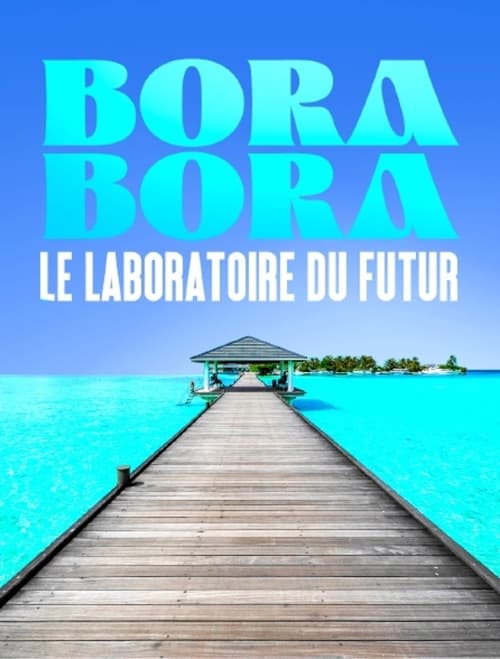
Bora Bora is the most popular destination in French Polynesia, certainly because of its lagoon, considered the most beautiful lagoon in the world. In this context, the islet could have sunk under concrete and pollution, and the reef could have been irreparably impacted. However, thanks to the will of a handful of inhabitants including the mayor of the island, Bora Bora is today a model of sustainable development, with water treatment technologies that are 15 years ahead of France, programs to rebuild corals and protect wildlife, educational actions and the rehabilitation of Polynesian traditions such as “rahui” and the establishment of a monitoring network using new technologies. All of this makes the island a veritable open-air laboratory that shows the way for all tropical coastal environments around the world.