Loading titles…
TV Movie
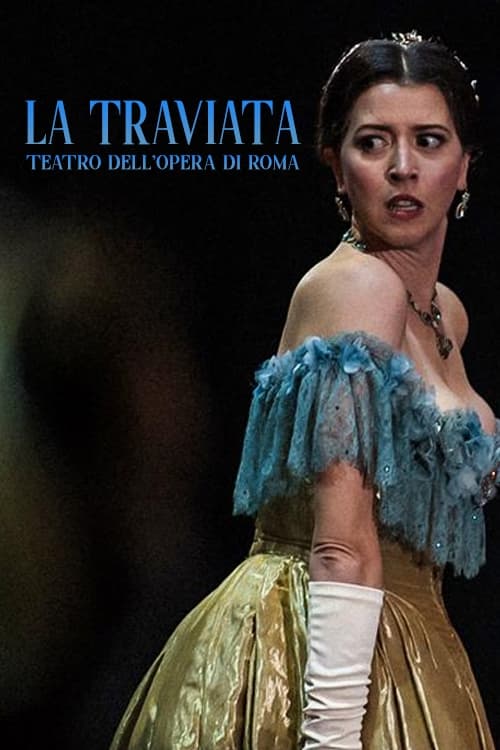
Mario Martone signs direction and scenes of this new film-work of Verdi's masterpiece. On the podium of the Orchestra of the Teatro dell'opera in Rome its musical director, maestro Daniele Gatti. the new set-up of the opera to a libretto by Francesco Maria Piave is embellished…
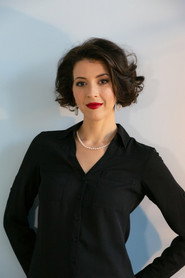
Violetta Valéry
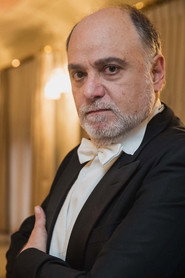
Giorgio Germont
Flora
Barone Douphol
Annina
Marchese D’Obigny
Gastone
Dottor Grenvil
Giuseppe
Un domestico
Un commissario
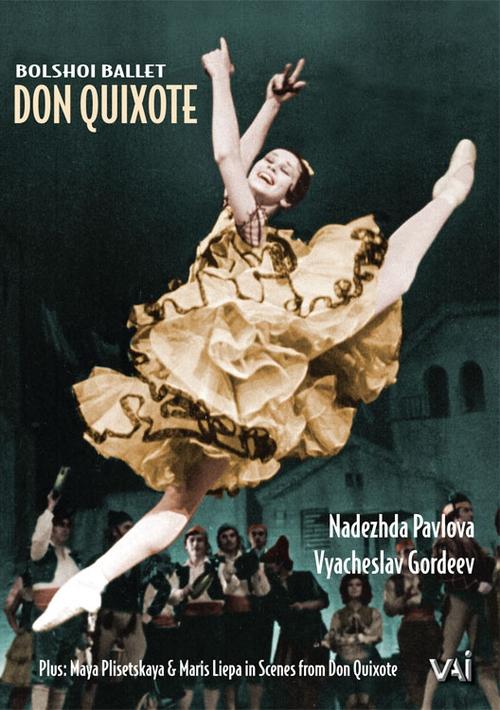
Product Description ••••• A complete 1978 performance of this classic ballet stars the magnificent Nadezhda Pavlova and Vyacheslav Gordeev; the Bolshoi Theatre Orchestra is conducted by Alexander Kopilov. DVD Bonus: Scenes from Don Quixote filmed at the Bolshoi in 1964 and starring the legendary dancers Maya Plisetskaya and Maris Liepa; Bolshoi Orchestra conducted by Youri Fayer.
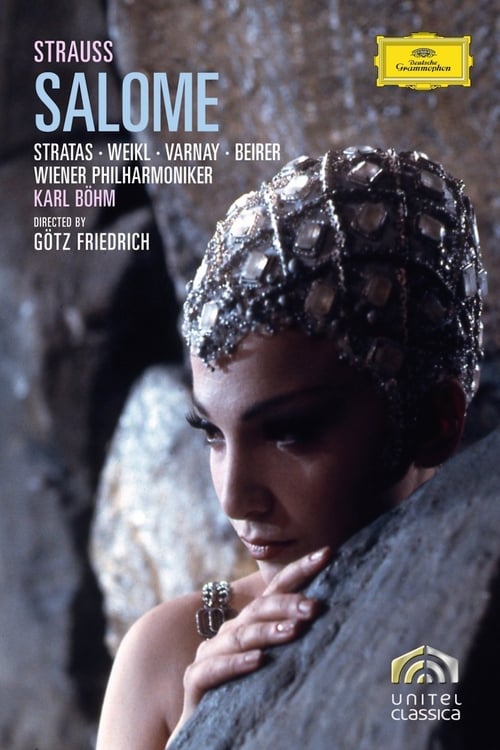
This filmed version of Strauss' shocker features Teresa Stratas as opera's most depraved teenager, and she's as perfect a Salome as one would ever hope to see or hear. Stratas inhabits the role, exploring the character's sensuousness as she vainly woos Jochanaan, her venomous hatred when she's rejected, the crazed look in her eyes when she demands his head--on a silver platter, no less. Such complete identification with a role, especially of a character so malignant helps make this 1974 Salome stand out among the many fine DVDs of the opera.
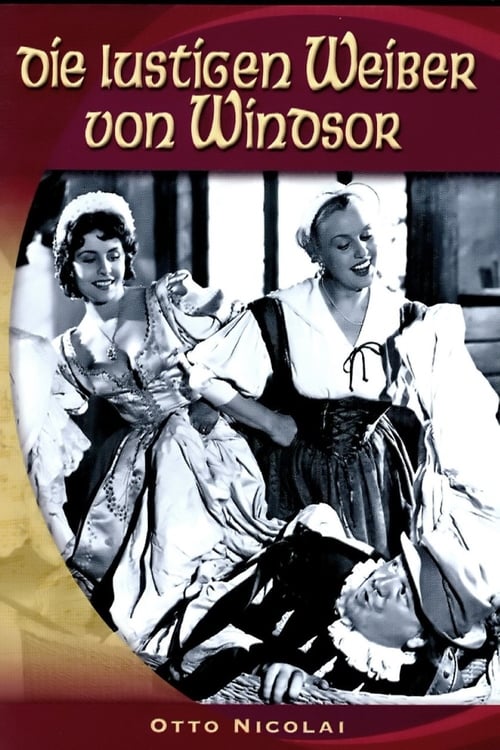
When Sir John Falstaff decides that he wants to have a little fun he writes two letters to a pair of Window wives: Mistress Ford and Mistress Page. When they put their heads together and compare missives, they plan a practical joke or two to teach the knight a lesson. But Mistress Ford's husband is a very jealous man and is pumping Falstaff for information of the affair. Meanwhile the Pages' daughter Anne is besieged by suitors.
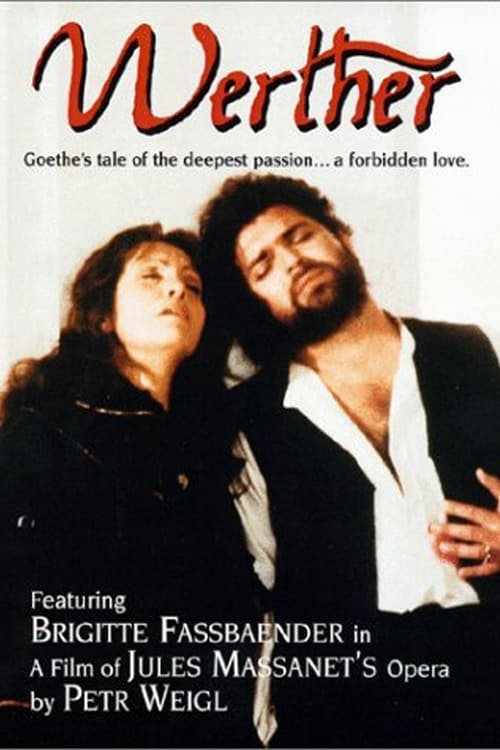
Jules Massanet's lyrical opera is transformed into a superb film production by Petr Weigl, shot on location in Prague, with music conducted by Libor Pesek. First produced by the Vienna Opera in February 1892, "Werther" rapidly confirmed Massanet's position on the French opera scene and achieved enormous popularity outside France, notably in Italy, America and England. The tragic story tells of Werther's intense passion for Charlotte, who has married his best friend, Albert, fulfilling a pledge to her now deceased mother. But Werther's letters of love bring Charlotte to his side when he promises to take his own life.
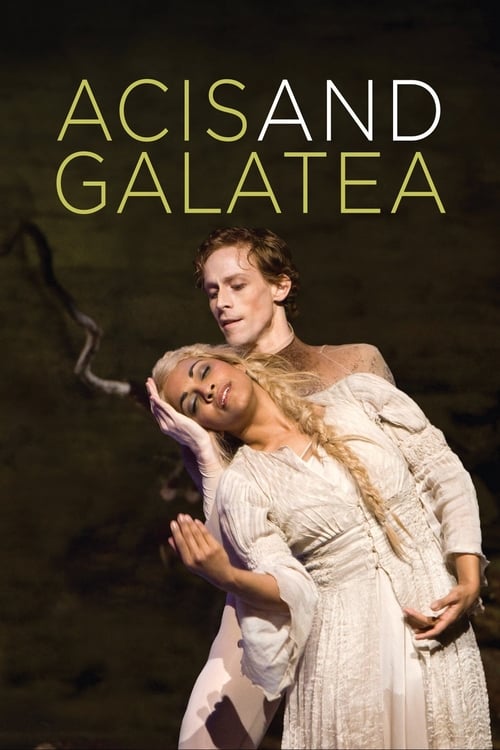
“Let us assume that Switzerland is truly a paradise. The music hereto was written long ago. We have merely forgotten it.” (Daniel Schmid) This is the material from which the most Swiss of all operas is made: the legendary Wilhelm Tell – a Swiss hero: straightforward, a primus inter pares of the indomitable freedom fighters, a good shot, surefire. A myth that becomes a poetic playground: nature in turmoil, the struggle for freedom and forbidden love. A legendary overture at a gallop with an iconic post horn motif – all this and much more in the thirty-seventh and last opera by Rossini.
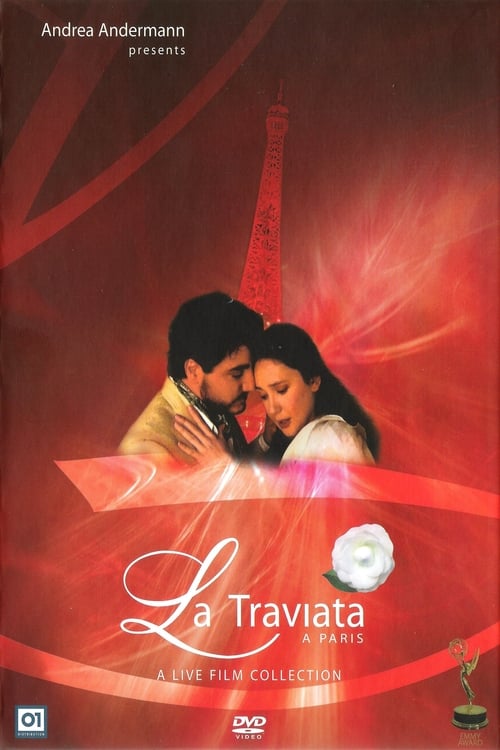
La traviata in Paris is a film-opera of Giuseppe Verdi's La traviata filmed live on television and worldwide, directed by Giuseppe Patroni Griffi, conceived and produced by Andrea Andermann in 2000. A Traviata that takes place live, with a television reporter who, amid the events of the day that took place in France on June 3, 2000, connects live to the scene of the action but at the time exactly a century earlier, in the Paris of June 3, 1900 (the setting of the opera is thus postdated from the original, which was conceived for the 1850s).
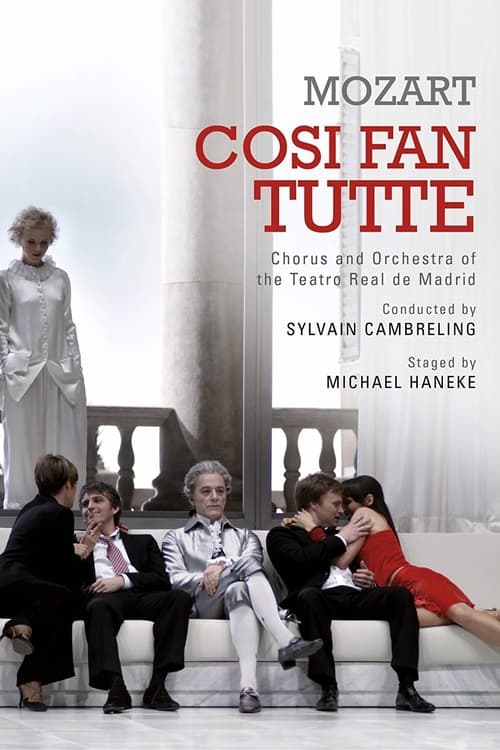
Who loves whom in Così fan tutte, Mozart’s and Da Ponte’s cruelly comic reflection on desire, fidelity and betrayal? Or have the confusions to which the main characters subject one another ensured that in spite of the heartfelt love duets and superficially fleetfooted comedy nothing will work any longer and that a sense of emotional erosion has replaced true feelings? Così fan tutte is a timeless work full of questions that affect us all. The Academy Award-winning director Michael Haneke once said that he was merely being precise and did not want to distort reality. In only his second opera production after Don Giovanni in 2006, he presents what ARTE described as a “disillusioned vision of love in an ice-cold, realistic interpretation”.