

Loading titles…
Documentary
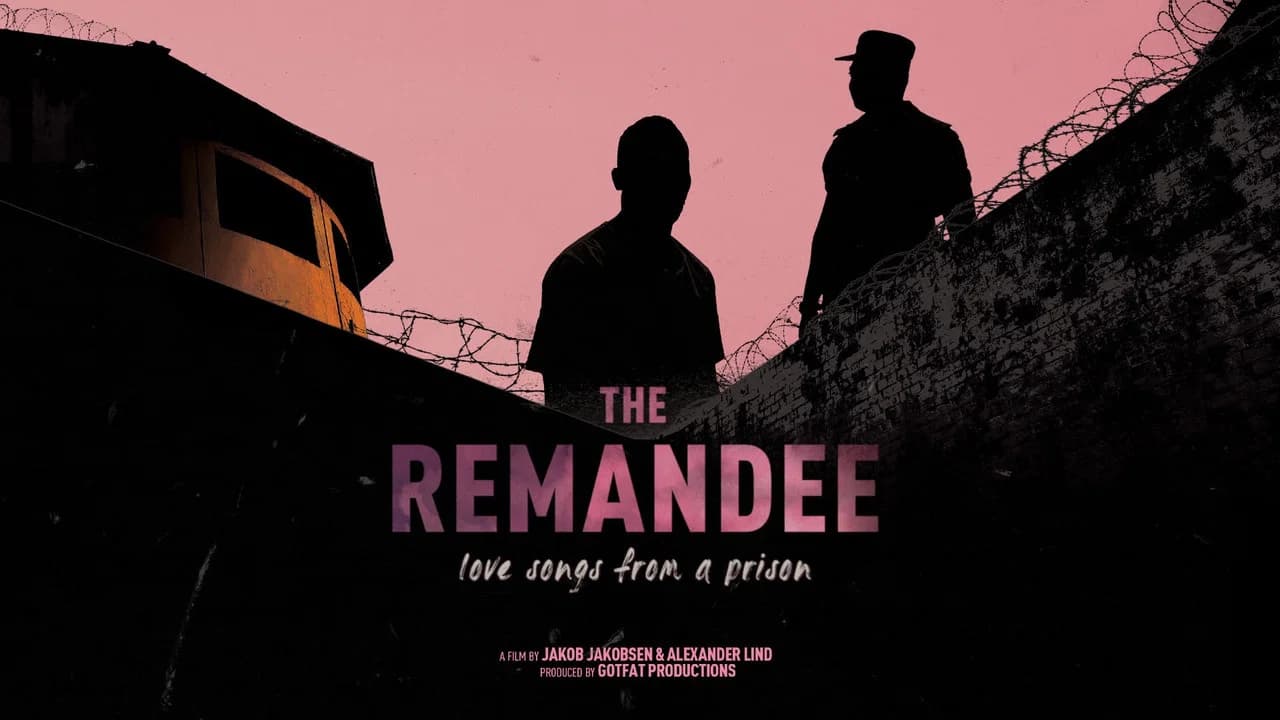
William has been remanded for 2 years in Lusaka Central Prison, awaiting conviction in a case in which he is charged with car theft and murder. After losing touch with his wife and daughter six months ago, he is now deeply concerned about his daughter's safety. Prison counselor…

No cast information available.


The film is an evocative story of the tenuous relationship between a charcoal burner and forests. The film follows Lloyd on his journey from burning charcoal to setting up a micro-nursery selling trees to his neighbouring community – a brief window into his deep rooted connection to forests around Livingstone.
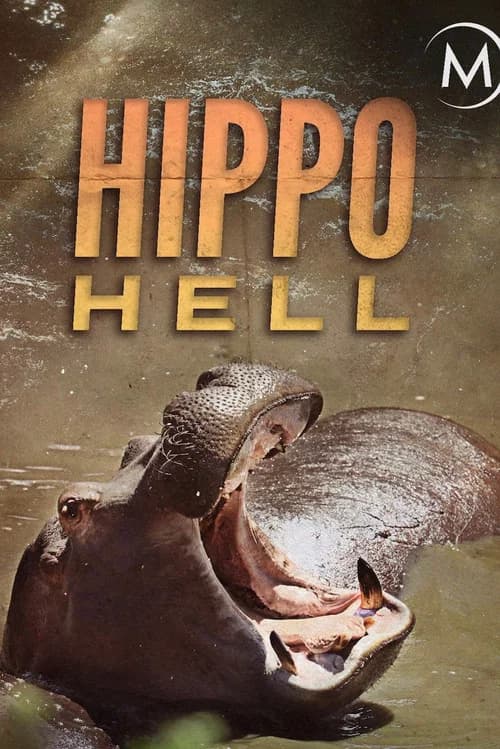
The dry season is always a struggle for the animals in the in the Luangwa Valley in Zambia - forced to share the last remaining water in the river. This is most strongly felt by the hippo population as they continually need to submerge their overheating bodies. This year the low river will be the least of their worries: An unseen killer is waiting to attack. The congested river and extreme circumstances provide the perfect conditions for an Anthrax epidemic to strike. Before the return of the rains the dominant hippo bull will witness the devastation of a fifth of his pod. This season a young mother and her calf and two brothers must negotiate these terrible odds and try to survive this...Hippo Hell.


Zambia's copper resources have not made the country rich. Virtually all Zambia's copper mines are owned by corporations. In the last ten years, they've extracted copper worth $29 billion but Zambia is still ranked one of the twenty poorest countries in the world. So why hasn't copper wealth reduced poverty in Zambia? Once again it comes down to the issue of tax, or in Zambia's case, tax avoidance and the use of tax havens. Tax avoidance by corporations costs poor countries and estimated $160 billion a year, almost double what they receive in international aid. That's enough to save the lives of 350,000 children aged five or under every year. For every $1 given in aid to a poor country, $10 drains out. Vital money that could help a poor country pay for healthcare, schools, pensions and infrastructure. Money that would make them less reliant on aid.
Every day the U.S. donates millions of tons of food to famine victims and other starving people in the world's poorest countries. This provocative documentary, through an in-depth case study of a recent famine crisis in Zambia, shows how these aid programs may address an immediate crisis but at the same time can create long-term problems for the recipient nation.

Ndola, Northern Rhodesia (currently Zambia), September 18, 1961. Swedish economist and diplomat Dag Hammarskjöld, Secretary General of the UN, dies mysteriously in a plane crash. Decades later, Danish journalist and filmmaker Mads Brügger and Swedish researcher Göran Björkdahl investigate the case in search of definitive closure.
Lake Tanganyika is an 'Ocean' in Africa. Millions of years ago it was colonized by a little fish called 'Cichlid'. Otters, crocodiles, cobras and cormorants all hunt the fish in clear water. How the Cichlid survived and evolved is an incredible story for, millions of years later, there are over 200 new species - all found only in Lake Tanganyika. Incredibly, they have evolved to look like coral reef fish. There are cichlid equivalents of tuna, snapper, gobies and goatfish. They have evolved bizarre methods of breeding with mouth-incubation, lekking and, unique amongst fish, there is even a cuckoo. Despite all their specialization over millions of years, if an opportunity presents itself, the little fish can behave like their unspecialized ancestor. In the climax of the film, they bang together to feast on a hatch of sardine fry. This is the story of how one little fish has conquered a lake.
