Loading titles…
Documentary
A film about the Czechoslovak automobile industry and its gradual automation. First of all, the quality of Czechoslovak cars and motorcycles in comparison with foreign competitors is demonstrated using a de facto advertising approach. The movie also talks about the need to…
No cast information available.

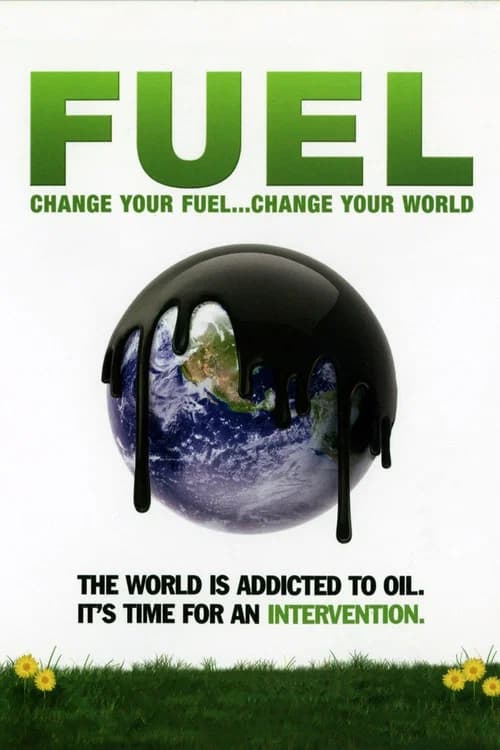
Record high oil prices, global warming, and an insatiable demand for energy: these issues define our generation. The film exposes shocking connections between the auto industry, the oil industry, and the government, while exploring alternative energies such as solar, wind, electricity, and non-food-based biofuels.

PUMP is a documentary that tells the story of America’s addiction to oil, from its corporate conspiracy beginnings to its current monopoly today, and explains clearly and simply how we can end it — and finally win choice at the pump. Today, oil is our only option for transportation-fuel at the pump. Our exclusive use of it has drained our wallets, increased air pollution and sent our sons and daughters to war in faraway lands. PUMP shows how, through the use of a variety of replacement fuels, we will be able to fill up our cars — cheaper, cleaner and American made — and in the process create more jobs for a stronger, healthier economy. Narrated by Jason Bateman and featuring notable experts such as John Hofmeister former President of Shell Oil, and Elon Musk, the CEO of Tesla Motors, PUMP will forever change the way you think about your car — and the fuel that powers it.

This deeply human documentary examines the subject of environmental destruction, highlighting the impoverished migrant workers who are chopping down the Amazon rainforest to create charcoal for pig iron production used primarily in the automobile industry. The film examines the children and elders and their daily lives and work as they burn timber in igloo-looking huts, their bodies charred gray for $2 a day, struggling to survive.


In 1973, John DeLorean was most likely going to be the next president of General Motors, when he turned his back on his $650,000 a year job and focused on a grander dream... to build his own car company (the first new American car company since 1925). In 1978, DeLorean built the most advanced auto factory in the world in under 18 months, from the ground up in a small suburb of Belfast, Northern Ireland.

An original portrayal of a small Czech village where – as the locals put it – an UFO has landed in the form of a kilometre-long silverish factory: a Korean Hyundai automobile plant. The village, hitherto famous mostly for its sauerkraut and the “Radegast” beer was thus turned into an industrial zone – the largest greenfield investment project in the Czech Republic’s history. Nonetheless, for a long time many farmers resisted selling the land upon which the factory was now standing. Eventually, they all succumbed under the pressure from the neighbours, and even the anonymous death threats. The filmmakers returned to Nošovice two years after the dramatic property buyouts, at the time when the factory has just started churning out cheap cars. Combining the perspectives of seven characters, they have composed a portrayal of a place suddenly changed beyond recognition that is playful and chilling at the same time: a politically engaged absurd flick about a field that yields cars.

In autumn of 1921, the AVUS, the ‘Automobil-Verkehrs- und Übungsstraße’ (The automobile traffic and training road), was inaugurated in the southwest of Berlin with a car race. The two long straights, each ten kilometres long, were connected by two turns: It was a high-speed track which was meant to expedite the development of the automobile in Germany. The Documentary explores the moving story of the first cars-only road in the world.

The film investigates an industry considered one of the pillars of growth during Kirchnerism in which, during these years, relations and conflicts were drawn between the manufacturers - foreign in its entirety -, the auto parts companies, the Argentine government, the Brazilian one, the union leaderships. -centrally from SMATA-, the workers and the left. The documentary delves into the interests that intersect and the confrontations that originate between the different actors in the chain, which became clear in recent times when the industry, which aspired to reach one million cars manufactured per year, began to regress. The different actors of the "Journey to the Center of Production" are intertwined in the conflict of the auto parts company Gestamp, which opened a dispute regarding who pays for the crisis in the sector and what solutions are seen in that dispute.