Loading titles…
No cast information available.

CERN, the world's largest physics laboratory, is also a society in itself. A mythological microcosm and science's answer to the Tower of Babel, with its many thousand employees as an indispensable element among cables and computers. The researchers speak the same esoteric and nerdy language. But their physical trials are not the only experiments in the human anthill. CERN is also a utopian experiment in collaboration across cultures, where the world's most advanced technology meets the world's sharpest—and some of the quirkiest—minds.

The nature and complexity of the welfare system is explored in sequences illustrating the staggering diversity of constituting problems: housing, unemployment, divorce, medical and psychiatric problems, abandoned and abused children, and the elderly. These issues are presented in a context where workers as well as clients struggle to cope with and interpret the laws and regulations that govern their livelihood.


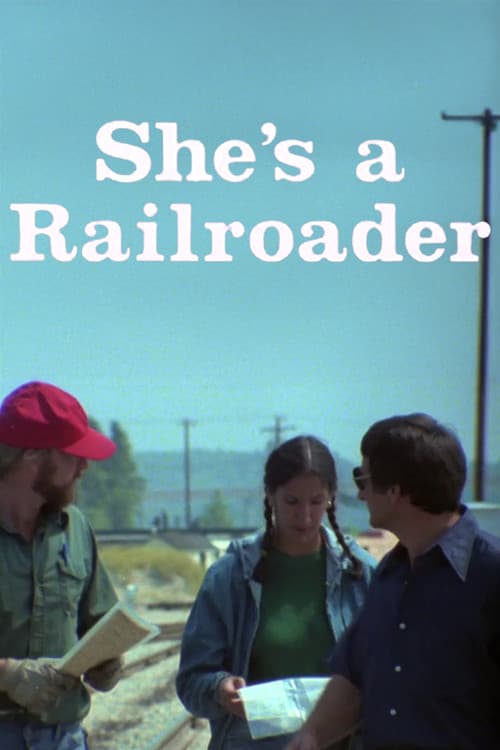
Karen Zaitchik jumps on and off moving boxcars, throws switches, pulls brakes and uncouples freights with ease and confidence. She's a railroader for CN and that's what this 21-year-old highly individualistic woman wants out of life for the moment. This colourful short film shows how Karen manages in the traditionally male world of the railroad.

An introduction to the employment picture in Canada in the late 1950s, designed to inform potential immigrants of job opportunities existing for women. The film reviews many fields of work in which women are engaged, ranging from the highly specialized to the unskilled, and shows much of it being performed by women who have come to Canada from many different lands. Placement services and information services established to help newly arrived immigrants are shown in operation. Viewed from a modern perspective, the greater part of the film accepts as normal the waste of women's talents in repetitive or service jobs while elevating this work to the status of a career. Currently distributed only in 13-minute abridged form.

Work is becoming more service oriented and more and more services rely upon us doing harm to each other. In most people's lives, work operates as a degrading and debilitating force. It disables people's critical and perception capacities. Unless workers assume responsibility for evaluating the meaning and implications of the work they do, there will never be the capacity to redirect the modern work institutions from their courses of violence and exploitation. Built in seven parts which correspond to each day of the week, this film studies the relationship between work being done and the nature of the people that are doing it.