Loading titles…
Amira

Diana
Hoda
Camilia
Latifa

A virgin, a married woman, a career woman, and the progress is made by combining the abnormal sex of each of them. This is Rumi Tama's first work in 1983, which can be called the Japanese version of the Decameron, and is a female writer who has made a point of creating enjoyable pornographic entertainment without logic.


A famous photographer, Jo Ellen Hathaway, has been being stalked for quite some time. She returns to the island she grew up on in an effort to get away from the stalker and get some well-needed relaxation time. On the island, she meets up with old friends and boyfriends and works on relationships with her family. However, she can't shake the feeling that she's still being watched.


Neiva is a dedicated manicurist, loved by her friends, adored by her daughter and granddaughter, and oppressed by Fábio, her boyfriend. Desire and obsession surround her daily life. Like many women in Brazil, she works, has fun, and cares for her family, but she also faces challenges in an abusive and troubled relationship. A prisoner of her own feelings, she is a woman who suffers in silence and whose destiny can be revealed for liberation or absolute catastrophe.

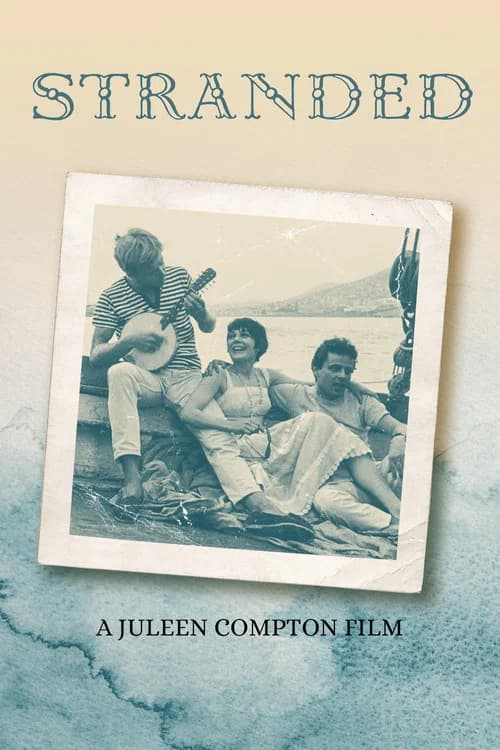
Compton's first feature was the autobiographical Stranded, which she wrote, directed, starred in, self-financed and distributed. Released in 1965, the film shares the cinematic experimentation and stylish, youth-centric rebellion of the French New Wave made even more radical by its progressive portrayals of female independence and sexuality, beatnik culture, and discussions of homosexuality. Stranded follows Raina, a young American woman (played by Compton), traveling through Greece with her American lover (Gary Collins), and her French, gay, best friend (Gian Pietro Calasso). Raina partakes in several love affairs rejecting marriage offers for no other reason than she likes her life the way it is. Made just prior to the arrival of second wave feminism, Compton, as writer-director, never judges her on-screen alter-ego the way similar female characters were frequently punished in other films during this era by stigmatizing female sexuality.