

Piotr Głowacki
Tadeusz Pietrzykowski "Teddy"
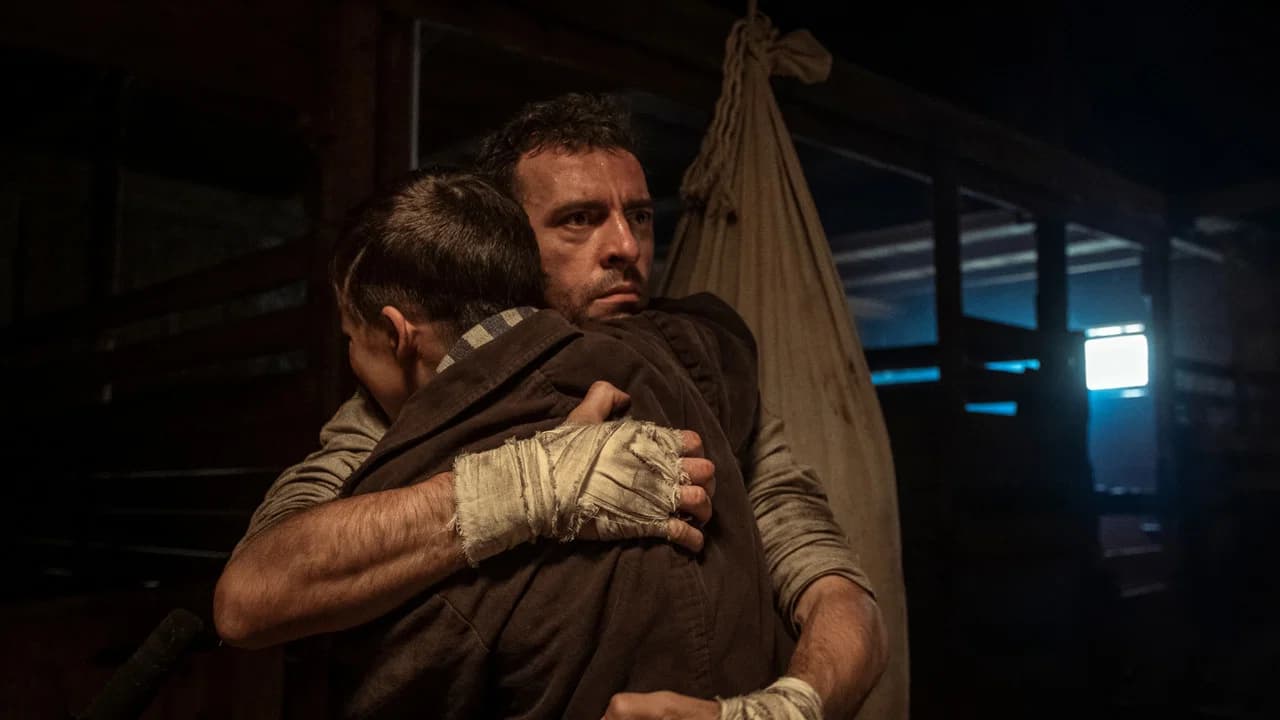
It is 1940. The first transport of prisoners arrives at the newly created concentration camp Auschwitz. One of them is Tadeusz “Teddy” Pietrzykowski, pre-war boxing champion of Warsaw. The camp officers force him to fight in the ring for his and other prisoners’ lives. However,…
Tadeusz Pietrzykowski "Teddy"
Janek
rapportführer Gerhard
lagerführer
Bruno
Ernst

Walter
rotmistrz
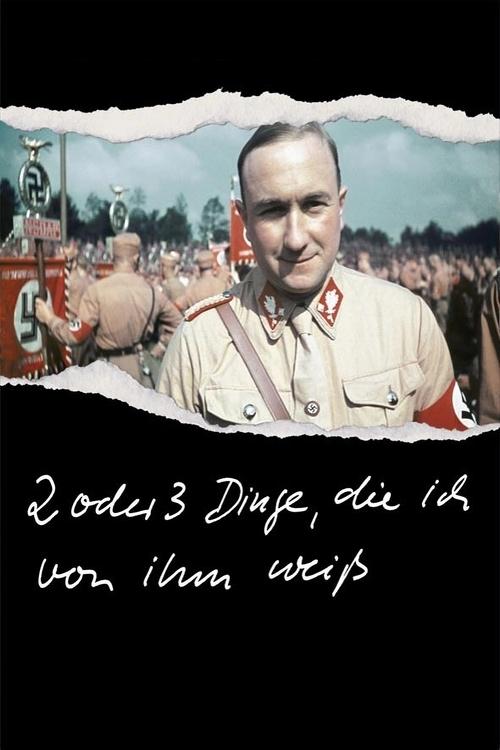
What would your family reminiscences about dad sound like if he had been an early supporter of Hitler’s, a leader of the notorious SA and the Third Reich’s minister in charge of Slovakia, including its Final Solution? Executed as a war criminal in 1947, Hanns Ludin left behind a grieving widow and six young children, the youngest of whom became a filmmaker. It's a fascinating, maddening, sometimes even humorous look at what the director calls "a typical German story." (Film Forum)
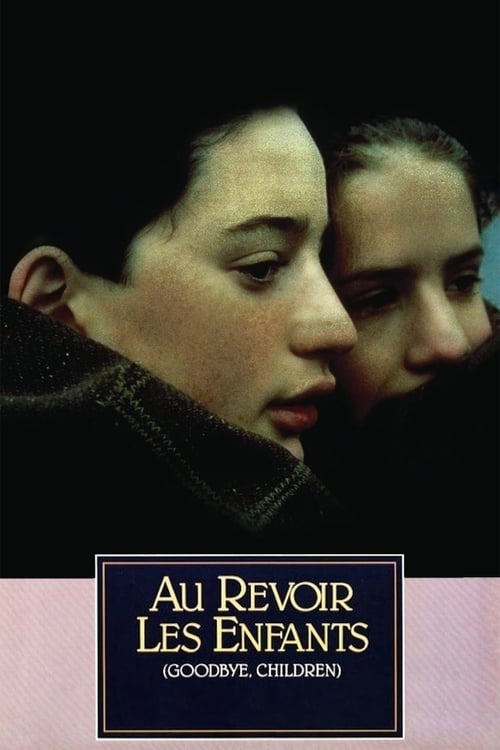
Au revoir les enfants tells a heartbreaking story of friendship and devastating loss concerning two boys living in Nazi-occupied France. At a provincial Catholic boarding school, the precocious youths enjoy true camaraderie—until a secret is revealed. Based on events from writer-director Malle’s own childhood, the film is a subtle, precisely observed tale of courage, cowardice, and tragic awakening.

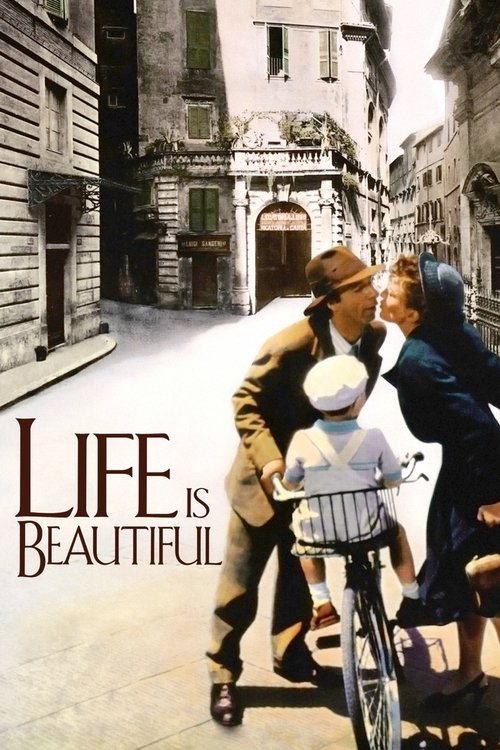
A touching story of an Italian book seller of Jewish ancestry who lives in his own little fairy tale. His creative and happy life would come to an abrupt halt when his entire family is deported to a concentration camp during World War II. While locked up he tries to convince his son that the whole thing is just a game.

In 1947, four German judges who served on the bench during the Nazi regime face a military tribunal to answer charges of crimes against humanity. Chief Justice Haywood hears evidence and testimony not only from lead defendant Ernst Janning and his defense attorney Hans Rolfe, but also from the widow of a Nazi general, an idealistic U.S. Army captain and reluctant witness Irene Wallner.
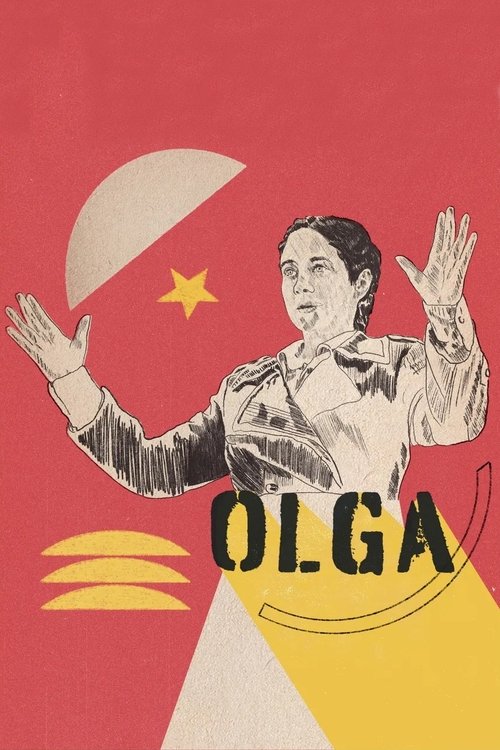
Based upon the true story of Olga Benário, the German-born wife of Brazilian communist leader Luís Carlos Prestes. During the dictatorship of Getúlio Vargas (1930-1945) she was arrested and sent to Nazi Germany, where she was put to death in a concentration camp. After World War II began, Vargas decided to uphold the Allies.

Most 72 is the very first film essay directed and produced by The Markerists and the inaugural installment in the series 'Most'. The footage and the audio were recorded in a single day on June 17th, 2013 on location in Auschwitz-Birkenau with post-production being completed within 72 hours. Surbhi Goel, a professor of cultural studies from India on her first trip outside of her homeland, recorded extemporaneous impressions as she walked the grounds of the death camp with the filmmakers. These were later used as the voice-over narration. The project serves as the template in which future Markerists film essays will be produced--shot and recorded on location and completed immediately afterwards, staying relevant in this age of instant global communication.
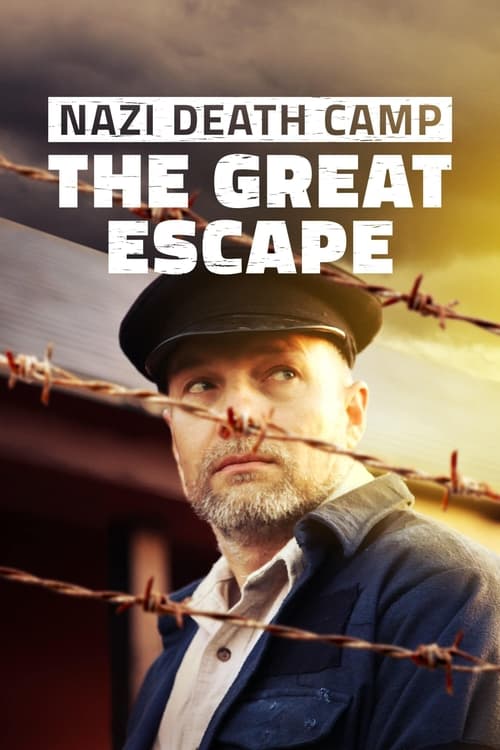

As the end of the Second World War approaches and the Soviet Red Army is advancing, a group of concentration camp inmates is helped to escape by a Polish doctor. They hide in a wood where they meet other fugitives, who have been there for months, constantly in fear of being discovered. Out of fear of the German army patrols, they do not dare to leave the forest, even as the food supplies run low.
Klimko

Kropp
Helcia
Lekarz