Loading titles…
Documentary
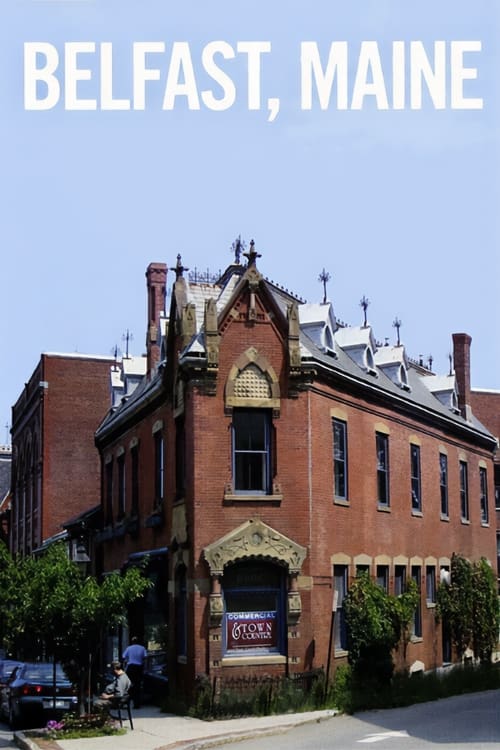
A film about ordinary experience in a beautiful old New England port city. A portrait of daily life with particular emphasis on the work and the cultural life of the community, among the activities shown are the work of lobstermen, tug-boat operators, factory workers, shop…
No cast information available.


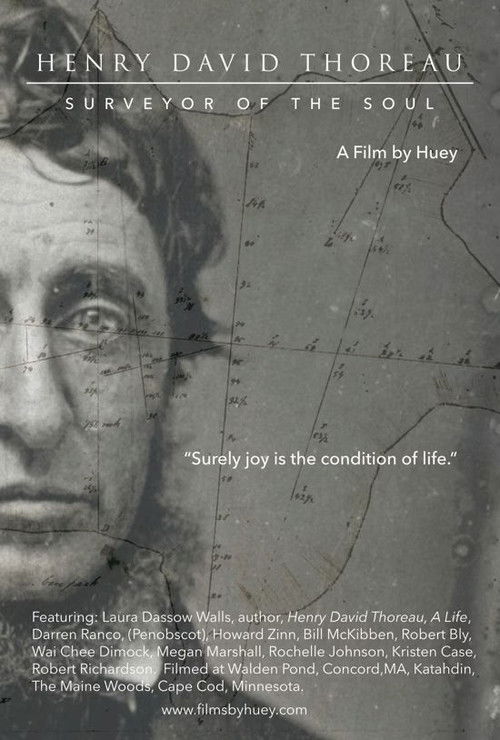
“…this documentary capturing important aspects of Thoreau’s life and writings is highly recommended.” Video Librarian, May 2018 Made over the course of 13 years, Henry David Thoreau: Surveyor of the Soul tells the story of Thoreau in his time and the story of the impact Thoreau’s writings and lifestyle have in our time. Surveyor of the Soul has interviews and commentary by: Laura Dassow Walls (author, Henry David Thoreau: A Life), Bill McKibben, Howard Zinn, Richard Primack, Megan Marshall, Rep. John Lewis, Robert Bly, Wai Chee Dimock, Spencer Crew, Darren Ranco (Penobscot), Rochelle Johnson, and more. “If you are not yet a Thoreau enthusiast, this beautiful, engrossing documentary just might turn you into one. If you already are, it will remind you of the many reasons why.” Lucille Stott, Appalachia, Winter/Spring 2019
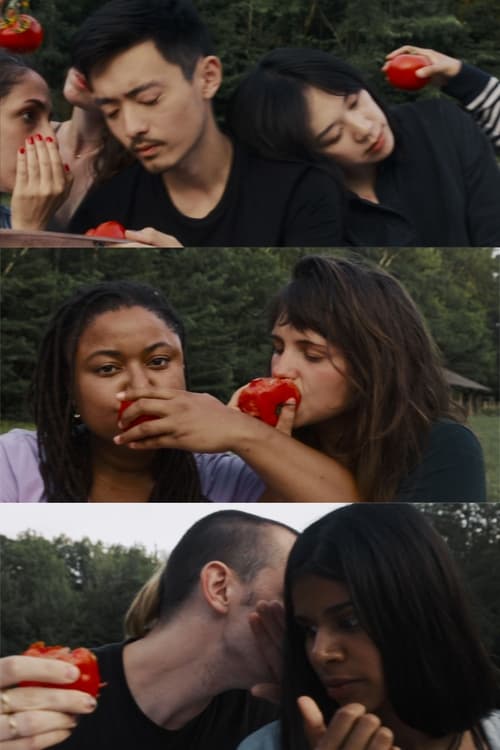
Across the installation's multiple channels, the camera circles a group of artists as they sit together in a field eating, licking, and squeezing ripe tomatoes. Throughout the ever-changing scene, kisses, whispers, and caresses are shared with a casual, gentle intimacy that reflects interconnectivity and abundance. These queer and desirous exchanges constitute a portrait of collectivity wherein individuals come together as distinct parts of a whole.
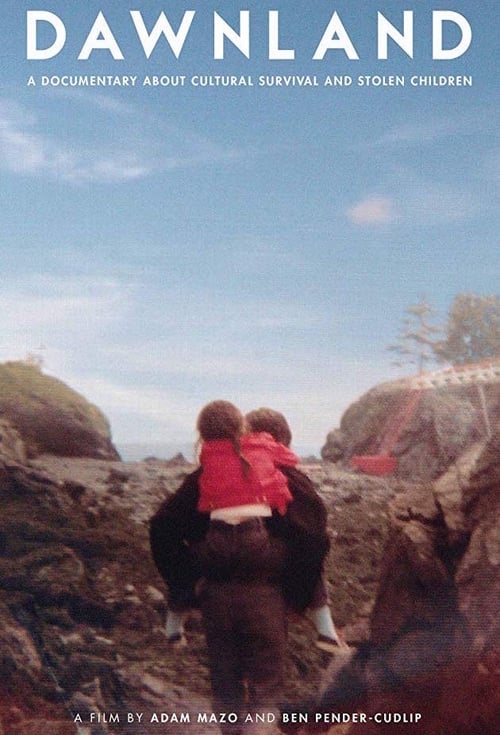
They were forced to assimilate into white society: children ripped away from their families, depriving them of their culture and erasing their identities. Can reconciliation help heal the scars from childhoods lost? "Dawnland" is the untold story of Indigenous child removal in the US through the nation's first-ever government-endorsed truth and reconciliation commission, which investigated the devastating impact of Maine’s child welfare practices on the Wabanaki people.