

Loading titles…
Commentary (voice)
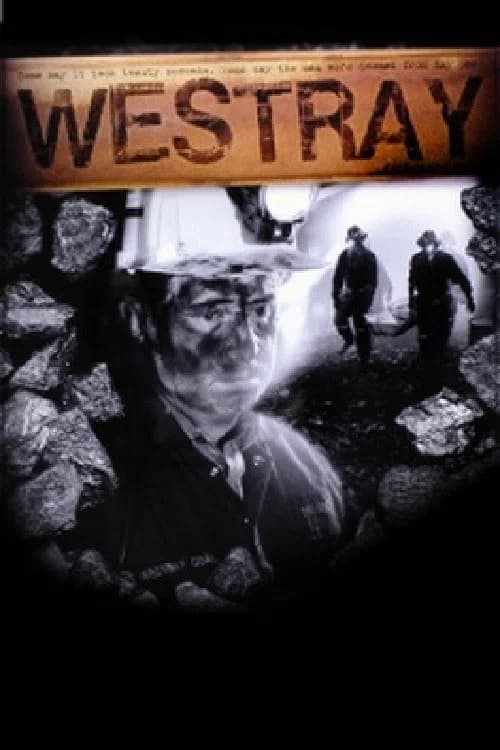
In this feature documentary, filmmaker Paul Cowan offers an innovative, moving account of the Westray coal mine disaster that killed 26 men in Nova Scotia on May 9, 1992. The film focuses on the lives of three widows and three miners lucky enough not to be underground that day when the methane and coal dust ignited. But their lives were torn apart by the events. Meet some of the working men, who felt they had no option but to stay on at Westray. And wives, who heard the rumours, saw their men sometimes bloodied from accidents and stood by them, hoping it would all turn out all right. This is a film about working people everywhere whose lives are often entrusted to companies that violate the most fundamental rules of safety and decency in the name of profit.


Lee Anne Schmitt explores California's landscape and past to document the history of one-time boom towns built and abandoned by the industries that necessitated their creation. Sold as a limitless land expansive with free opportunity, California was actually, from its onset, fissured by the interwoven needs of private and public interests. Schmitt's film covers various locations through time, as the major industries of the early 20th century (mining, lumber, oil) give way to the military, eventually leading to multinational corporations, and the use of small towns as satellites for growing urban metropolises.
A new uranium mill -- the first in the U.S. in 30 years -- would re-connect the economically devastated rural mining community of Naturita, Colorado, to its proud history supplying the material for the first atomic bomb. Some view it as a greener energy source freeing America from its dependence on foreign oil, while others worry about the severe health and environmental consequences of the last uranium boom.

Documentary on the Shackleton Antartic expedition. A retelling of Sir Ernest Shackleton's ill-fated expedition to Antarctica in and the crew of his vessel 'The Endurance', which was trapped in the ice floes and frigid open ocean of the Antarctic in 1914. Shackleton decided, with many of his crew injured and weak from exposure and starvation, to take a team of his fittest men and attempt to find help. Setting out in appalling conditions with hopelessly inadequate equipment, they endured all weather and terrain and finally reached safety. Persuading a local team of his confidence that the abandoned team would still be alive, he set out again to find them. After almost 2 years trapped on the ice, all members of the crew were finally rescued.
