Loading titles…
One day, I walked from my childhood apartment to the transformer in Clichy-sous-Bois where Zyed Benna and Bouna Traoré were electrocuted on October 27, 2005.
No cast information available.
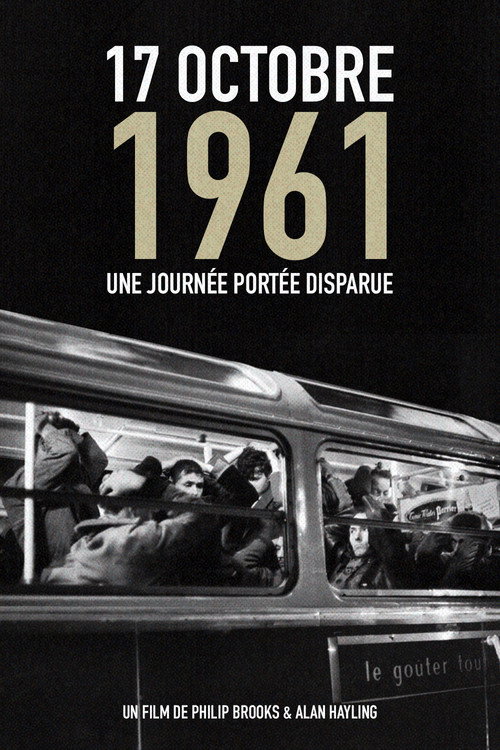
This documentary bears witness to the events that took place more than thirty years before the filming of this movie, on October 17, 1961, in Paris, during the Algerian War. It is a work not only about historical truth but also about memory. Constructed primarily from interviews conducted with those involved in the events, along with archival footage, photographs, and radio broadcasts from the time, our investigation proves that nearly 200 Algerians were killed (drowned, tortured) that night and in the days that followed by the French police. "A Missing Day" seeks to ask two key questions: how could such events have unfolded in the capital of a Western democracy barely thirty years ago? And why have they been silenced ever since?
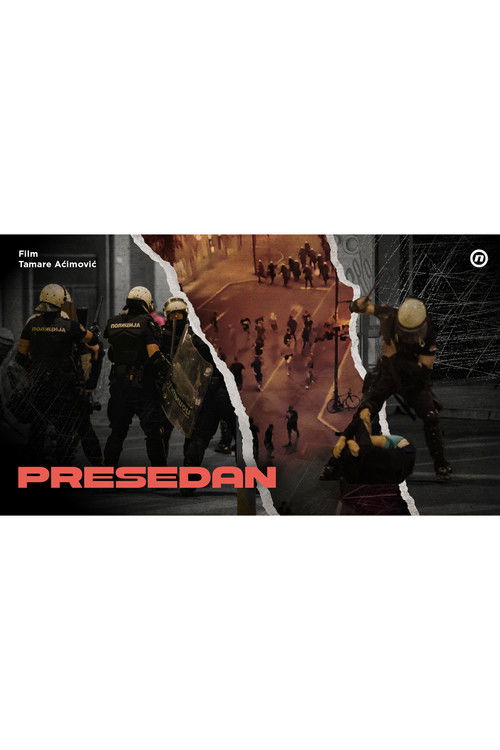
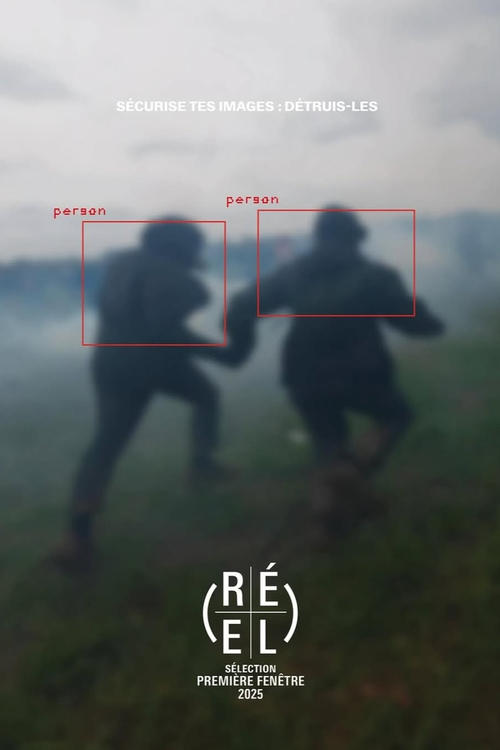
On march 25, 2023, I'm filming from within the ecological protest against water reservoirs taking place in Sainte-Soline, France. The police repression is so violent that after the event, I have repressed many of the experiences of the protest. The images I captured retrace my path within the protest and give me back my memories.
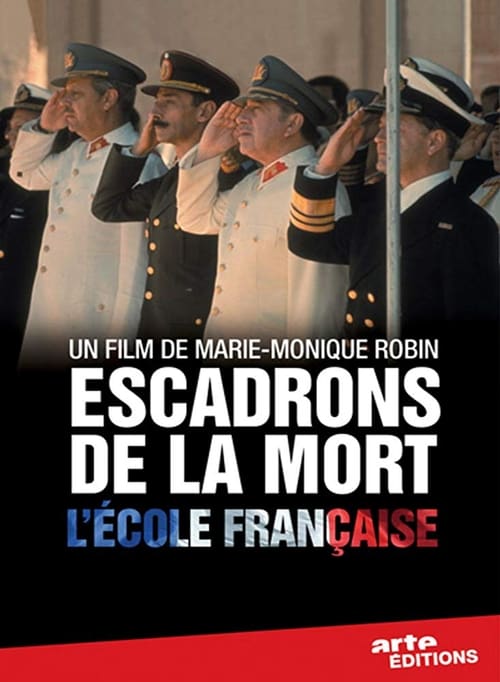
After the Battle of Algiers, France and its army exported, as true experts, anti-subversive methods to Latin America and the United States in the 1960s. After more than a year of investigation in Argentina , in Chile, Brazil, the United States and France, the director collected, sometimes under the cover of a hidden camera, recorded conversations, the exclusive testimonies of the main protagonists. From General Aussaresses to former Minister of the Armed Forces Pierre Messmer, including General Reynaldo Bignone (head of the military junta in Argentina from 1982 to 1984), General Albano Harguindéguy, General Manuel Contreras, and Generals John Johns and Carl Bernard, this investigation gives us a hidden reality of the country of Human Rights.
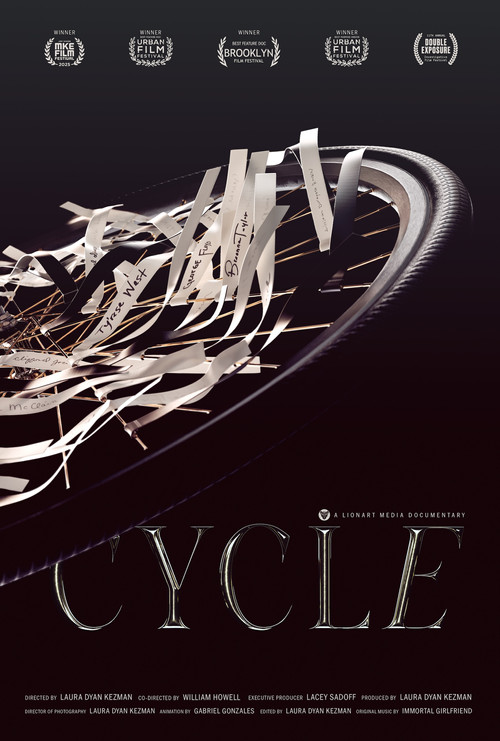
CYCLE pierces the silence surrounding police violence in America through the killing of Ty’rese West, an 18-year-old Black teenager whose death at the hands of police occurred without cameras, witnesses, or public scrutiny. In the absence of visual evidence, his case slipped quietly out of view—mirroring a broader pattern in which accountability depends on what can be seen. The film follows the aftermath of an unseen death: closed courtrooms, shifting official narratives, and the toll of pursuing answers within opaque systems of power. Rather than relying on the virality of a moment, CYCLE examines how silence functions within institutions, and how families are left to carry truth forward when justice fails.
A documentary about to police situation in France after the institution of a prolonged state of emergency. From the anger of the police to that of the victims of their violence, through the words of activists and inhabitants of working-class neighborhoods, everyone expresses here a moment of unease in the face of order and its maintenance.
A girl from St. Petersburg walks around protest-ridden Moscow, talking to riot police and believing that sooner or later they will go over to the side of the demonstrators. An 18-year-old student of a St. Petersburg college introduces herself as Alice and tells about herself that from the age of four she lived in an orphanage and in foster families. In Moscow, Alisa, for whom this is the first rally in her life, walks along the police cordons and looks under the OMON helmet. "Under the mask you can't see, are you even human?"
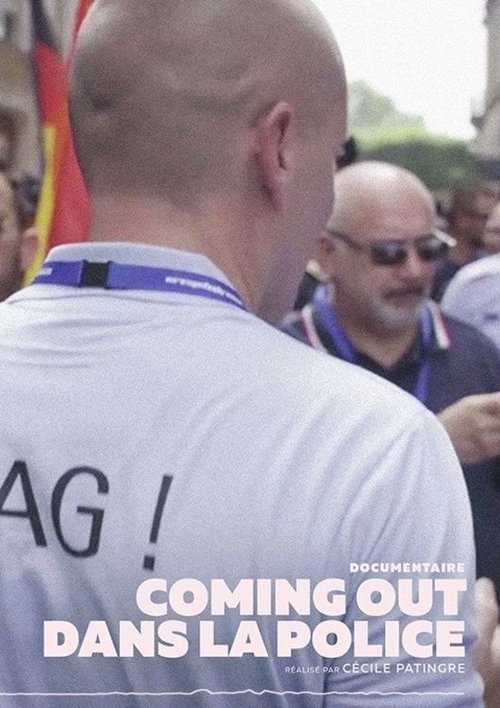
They are police officers, they are homosexuals. How to assume one's sexual orientation within an institution little known for its tolerance? Through a series of portraits of men and women, the film collects answers and follows in the footsteps of FLAG !, the association that a few have founded to fight internal discrimination. More visible than elsewhere, the difficulties these police officers face speak of a society that is changing or that must change.