

Loading titles…

Narrator
Self

This movie chronicles the life and times of R. Crumb. Robert Crumb is the cartoonist/artist who drew Keep On Truckin', Fritz the Cat, and played a major pioneering role in the genesis of underground comix. Through interviews with his mother, two brothers, wife, ex-wife and ex-girlfriends, as well as selections from his vast quantity of graphic art, we are treated to a darkly comic ride through one man's subconscious mind.
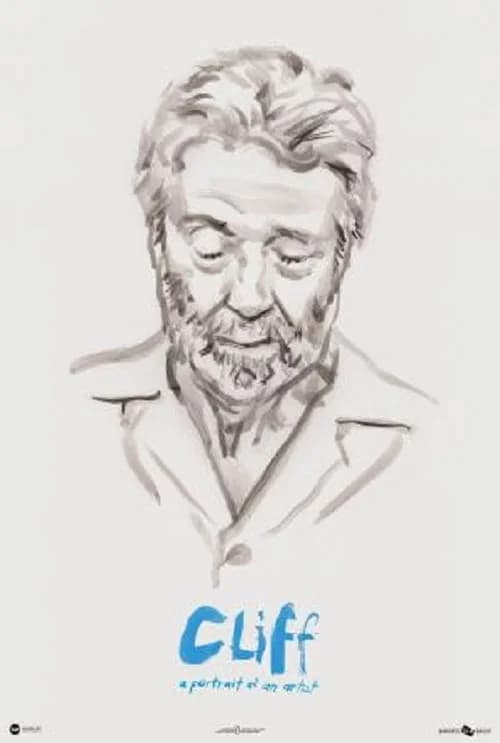

In 1986, during the Paris-Dakar rally, singer Daniel Balavoine, who was leading a humanitarian operation, was killed in a helicopter crash alongside Thierry Sabine. Nicolas Mathieu, his assistant, Léo Missir, his artistic director, HSH Albert of Monaco, and Charles Belvèze discuss the artist's career and his political and humanitarian commitments. Pierre Fauque and Anne Amado retrace the last moments of his life, from his arrival in Tamanrasset on January 6 to the day of his death in the desert, in the midst of a storm.


The life and work of painter Mário Cesariny de Vasconcelos (1923-2006), one of the most important artists of the portuguese surrealist movement, both in literature and the visual arts. Includes statements from the artist, his friends, and scholars of his artistic oeuvre. A documentary originally exhibited on the day of his death at the age of 83.


In 1971, after being rejected by Hollywood, Bruce Lee returned to his parents’ homeland of Hong Kong to complete four iconic films. Charting his struggles between two worlds, this portrait explores questions of identity and representation through the use of rare archival footage, interviews with loved ones and Bruce’s own writings.
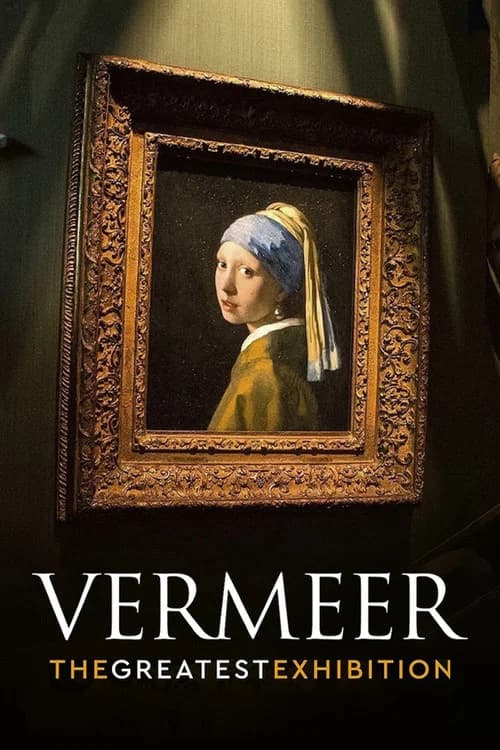
With loans from across the world, this major retrospective will bring together Vermeer’s most famous masterpieces including Girl with a Pearl Earring, The Geographer, The Milkmaid, The Little Street, Lady Writing a Letter with her Maid, and Woman Holding a Balance. This film invites audiences to a private view of the exhibition, accompanied by the director of the Rijksmuseum and the curator of the show.
During World War II, the propaganda engine of the U.S. government made a pivotal decision with unforeseeable results: they tapped John Huston to shoot war documentaries with an expressly patriotic spin. Few could guess the degree to which Huston's documentaries would depict the sheer brutality and horror of modern warfare - particularly his Let There Be Light and The Battle of San Pietro. The films served (by default) as cinematic protests, even as they graced new and brilliant heights within the scope of American documentary. (Indeed, Light was banned by the government for 35 years). Midge Mackenzie's 1998 documentary John Huston: War Stories explores this little known facet of Huston's career, intercutting clips from the various documentaries with a Huston interview shot just prior to his death.
