

Avan Jamal
Shilan
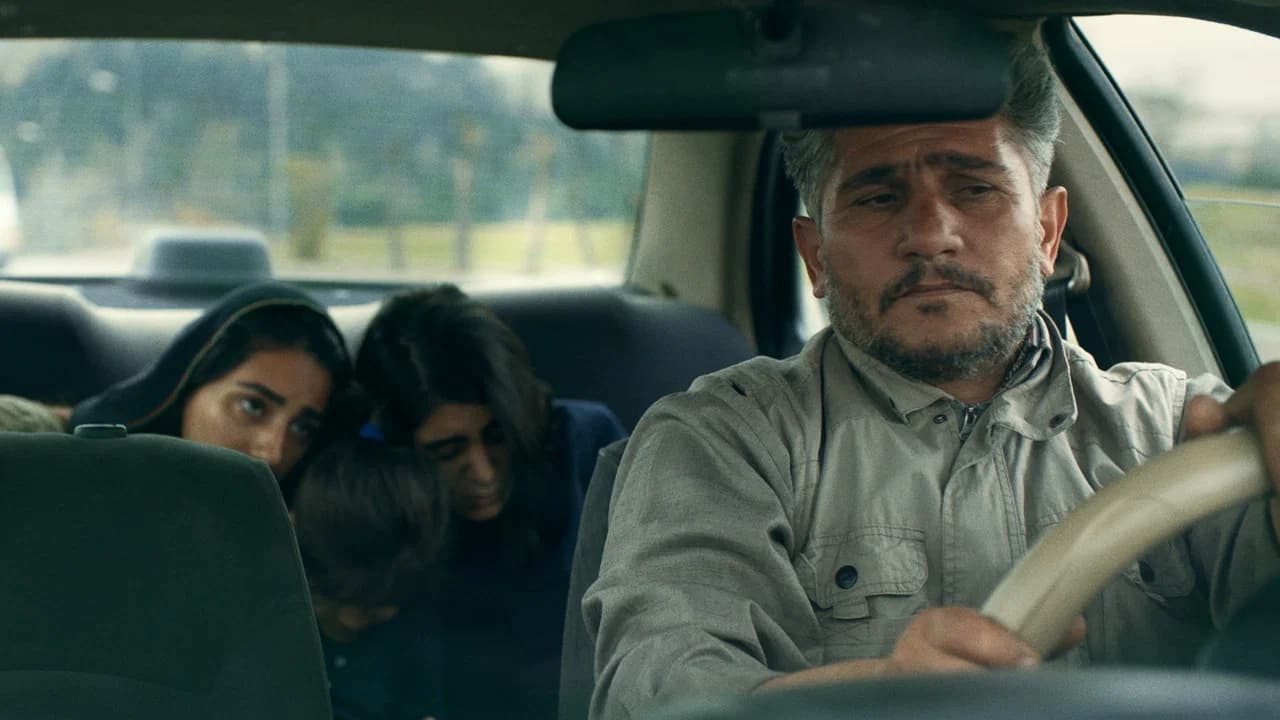
Rojin is a young Kurdish woman about to take the university entrance exam. Rojin's unhappily married older sister Shilan decides to help her pass at any cost, hoping to give her a more emancipated life. Thus, the sisters inevitably become entangled in a huge network of…
Shilan

Rojin

Sardar
Jamal
Engineer
Munira
Shamal
Karim
Aziz (Rojin's Father)

Mirae gets an offer of a K-pop trainee contract. She looks back on her short life and finds her past that would ruin her future career and reputation, as she dreams of becoming a k-pop star. Most of all, her ex-boyfriend, Jaemin, is the most worrisome. She starts to clear her past and sets out to find Jaemin.
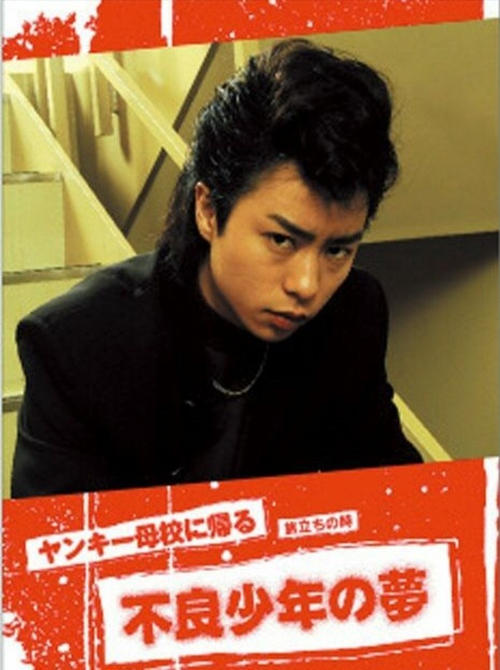
In 1988, Hokkaido's Hokusei Yoichi High School became the first high school in Japan to accept students who had previously dropped out of high school from nationwide. This special follows Yoshiie Hiroyuki (based on a former graduate of Hokusei Yoichi) and his friends from the time they enroll in the school during it's first year accepting delinquents. This is a brilliant tale of troubled youths trying to break free from their former lives- fighting through various gut-wrenching challenges on their way- while the teachers struggle to help them every step of the way.

Ninth graders Genka and Anya crash the girl's father's car. Misha, having earned money from the photos, gives money to his friends, but they are not enough. Then Genka steals a video camera from the school's art studio, draws his father into this story, and does not yet know that a shot will follow very soon...
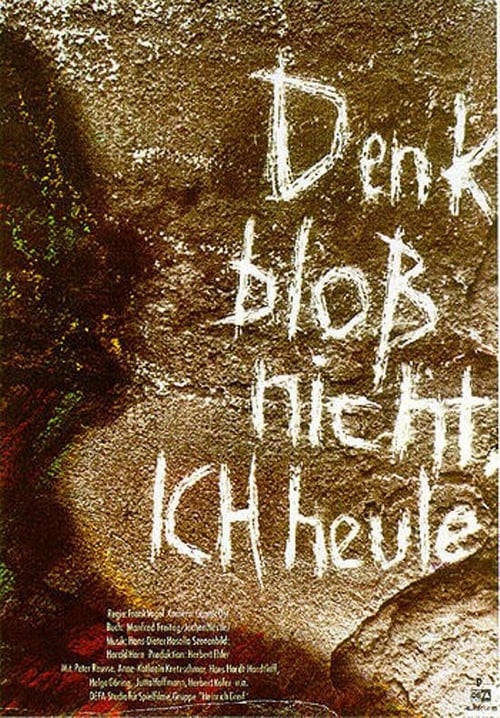
High-school senior Peter considers the adults around him to be hypocritical, self-congratulatory, and immersed in the past. He gets suspended for writing an essay that his teachers consider to be a challenge to the state. Just Don't Think I'll Cry became one of twelve films and film projects-almost an entire year's production-that were banned in 1965-1966 due to their alleged anti-socialist aspects. Although scenes and dialogs were altered and the end was reshot twice, officials condemned this title as "particularly harmful." In 1989, cinematographer Ost restored the original version, and this and most of the other banned films were finally screened in January 1990. Belatedly, they were acclaimed as masterpieces of critical realism.
Sinor
Ear Doctor
Fayeq