

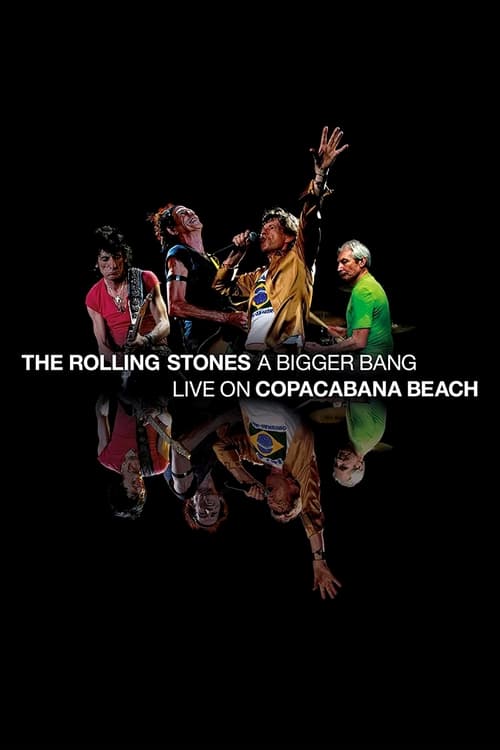

Mick Jagger
Self
Welcome to Rio De Janeiro and the Rolling Stones’ legendary show from Copacabana Beach. In front of 1.5 million people, one of the biggest free concerts in history, The Rolling Stones’ performance on February 18th, 2006 was a historic event; a critical moment in Rock ‘n’ Roll…
Self

Self

Self

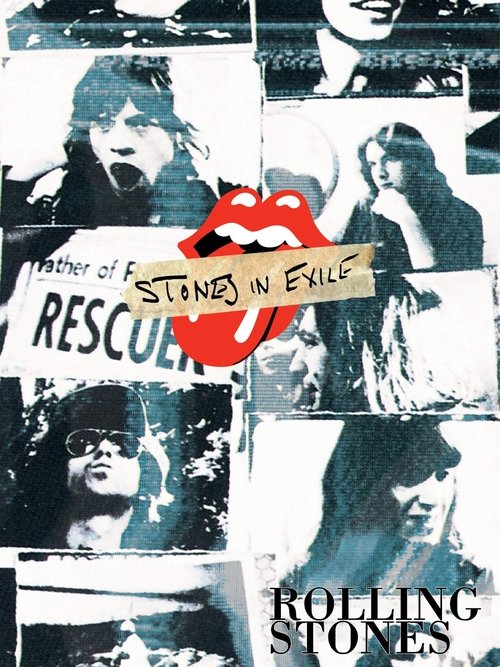
In 1971, to get breathing room from tax and management problems, the Stones go to France. Jimmy Miller parks a recording truck next to Keith Richards and Anita Pallenberg's Blue Coast villa, and by June the band is in the basement a few days at a time. Upstairs, heroin, bourbon, and visitors are everywhere. The Stones, other musicians and crew, Pallenberg, and photographer Dominique Tarle, plus old clips and photos and contemporary footage, provide commentary on the album's haphazard construction. By September, the villa is empty; Richards and Jagger complete production in LA. "Exile on Main Street" is released to mediocre reviews that soon give way to lionization.
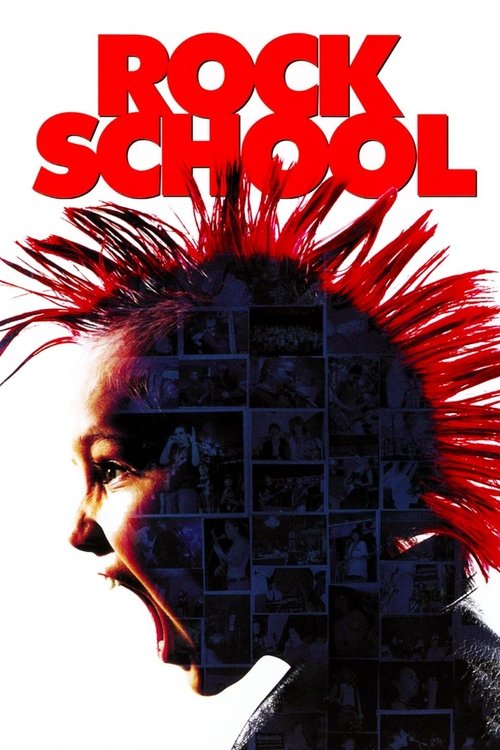
It is about a music school in Philadelphia, The Paul Green School of Rock Music, run by Paul Green that teaches kids ages 9 to 17 how to play rock music and be rock stars. Paul Green teaches his students how to play music such as Black Sabbath and Frank Zappa better than anyone expects them to by using a unique style of teaching that includes getting very angry and acting childish.
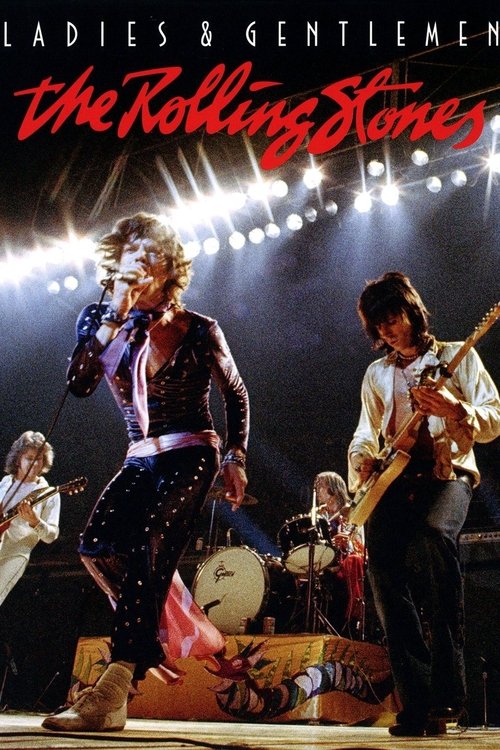
A concert film taken from two Rolling Stones concerts during their 1972 North American tour. In 1972, the Stones bring their Exile on Main Street tour to Texas: 15 songs, with five from the "Exile" album. Mick Jagger, Keith Richards, Mick Taylor, Charlie Watts, and Bill Wyman on a small stage with three other musicians. Until the lights come up near the end, we see the Stones against a black background. The camera stays mostly on Jagger, with a few shots of Taylor. Richards is on screen for his duets and for some guitar work on the final two songs. It's music from start to finish: hard rock ("All Down the Line"), the blues ("Love in Vain" and "Midnight Rambler"), a tribute to Chuck Berry ("Bye Bye Johnny"), and no "Satisfaction."
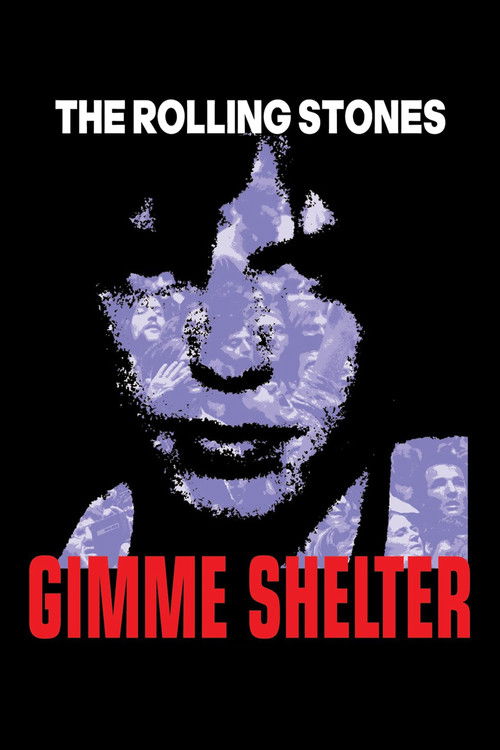
A detailed chronicle of the famous 1969 tour of the United States by the British rock band The Rolling Stones, which culminated with the disastrous and tragic concert held on December 6 at the Altamont Speedway Free Festival, an event of historical significance, as it marked the end of an era: the generation of peace and love suddenly became the generation of disillusionment.
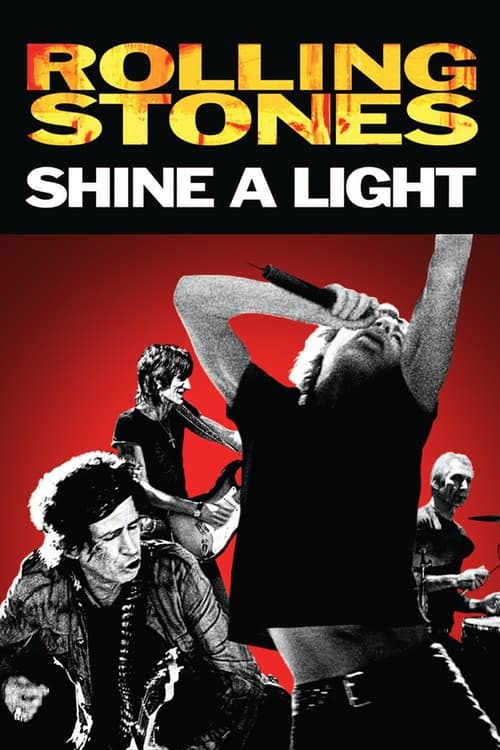
Martin Scorsese’s electrifying concert documentary captures The Rolling Stones live at New York’s Beacon Theatre during their A Bigger Bang tour. Filmed over two nights in 2006 with an all-star team of cinematographers, the film combines dynamic performances with archival footage and rare glimpses behind the scenes, offering a vibrant portrait of the band’s enduring energy and legacy.


'From The Vault' is a series of live concerts from The Rolling Stones archive which are getting their first official release. 'The Marquee Live In 1971' is the latest addition to the series. The show was filmed at London's legendary Marquee club on March 26th 1971, shortly after the finish of the band's 1971 UK tour and about a month before the release of the 'Sticky Fingers' album in late April. Mick Taylor was now fully integrated into the group and the band had used the tour to showcase some of the tracks from the forthcoming album. The show at the Marquee was filmed for American television and four songs from the 'Sticky Fingers' album were featured, including the rarely performed 'I Got The Blues'. The footage has now been carefully restored and the sound has been newly mixed by Bob Clearmountain for this first official release of the show.

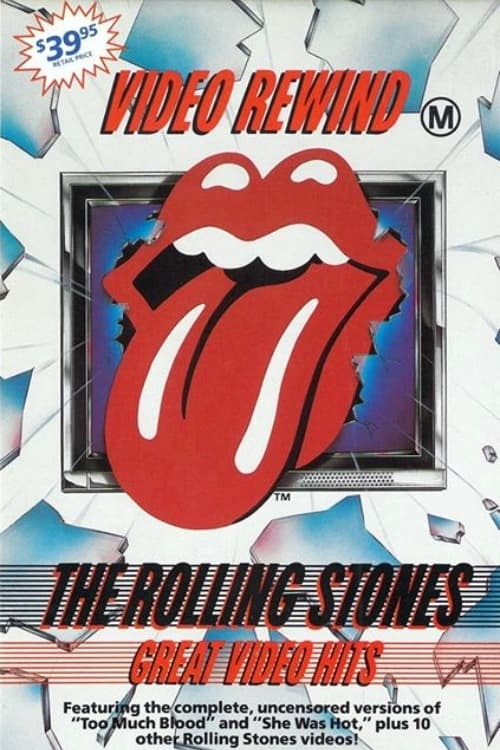
Video Rewind by The Rolling Stones is a compilation of video clips recorded between 1972–1984. Instead of just presenting unrelated clips and videos just strung together, it uses a framing 'story', featuring Bill Wyman and Mick Jagger, directed by Julien Temple and includes some video directed by Michael Lindsay-Hogg. It was first released in 1984 on the VHS, Laserdisc, and CED Videodisc format by Vestron home video.
Self