Loading titles…
Commentary (voice)
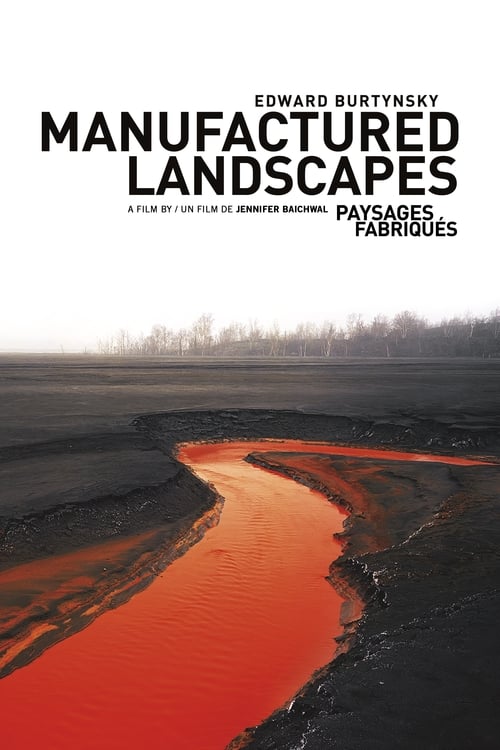
MANUFACTURED LANDSCAPES is the striking new documentary on the world and work of renowned artist Edward Burtynsky. Internationally acclaimed for his large-scale photographs of “manufactured landscapes”—quarries, recycling yards, factories, mines and dams—Burtynsky creates stunningly beautiful art from civilization’s materials and debris.

Discipline and productivity are more regimented in Japan than in many other parts of the world. For the Japanese, survival means doing things together rather than asserting North-American-style individualism. Japan's industry has automated and computerized at an unparalleled rate. Open-concept offices and collaborative work styles offer a model of the changing style of modern work that could inspire the West to modify their processes as well.
The environmental problems caused by fracking in America have been well publicized but what's less known are the gas industry's plans for expansion in other countries. This investigation, filmed in Botswana, South Africa and North America, reveals how gas companies are quietly invading some of the most protected places on the planet.
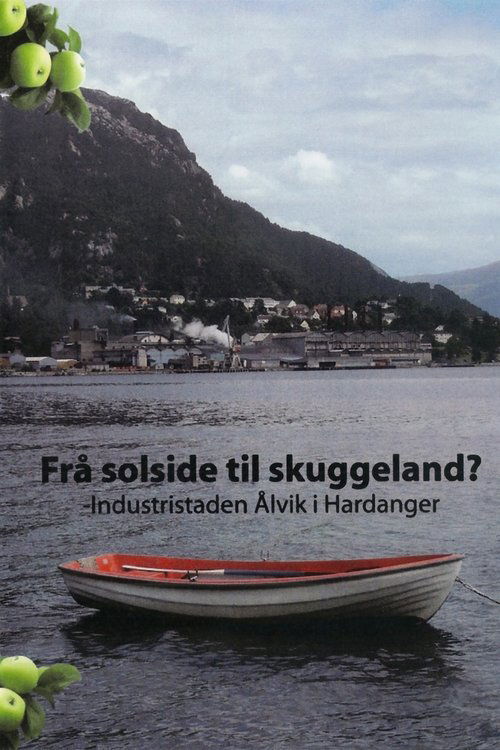
This is a documentary that tells about the history of Ålvik as an industrial town. It is the story of the water on the mountain that was tamed into electric power, and was the foundation of Bjølvefossen. The film tells about Trallebanen, one of the most unique cultural heritage sites in Hardanger. Should it be preserved?
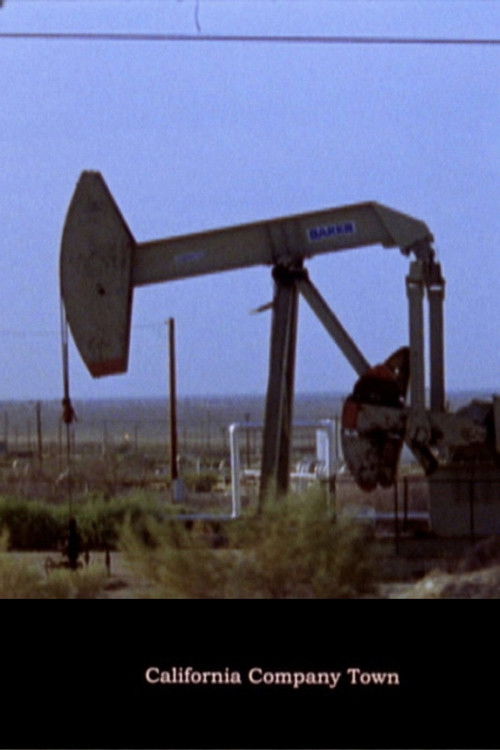
Lee Anne Schmitt explores California's landscape and past to document the history of one-time boom towns built and abandoned by the industries that necessitated their creation. Sold as a limitless land expansive with free opportunity, California was actually, from its onset, fissured by the interwoven needs of private and public interests. Schmitt's film covers various locations through time, as the major industries of the early 20th century (mining, lumber, oil) give way to the military, eventually leading to multinational corporations, and the use of small towns as satellites for growing urban metropolises.
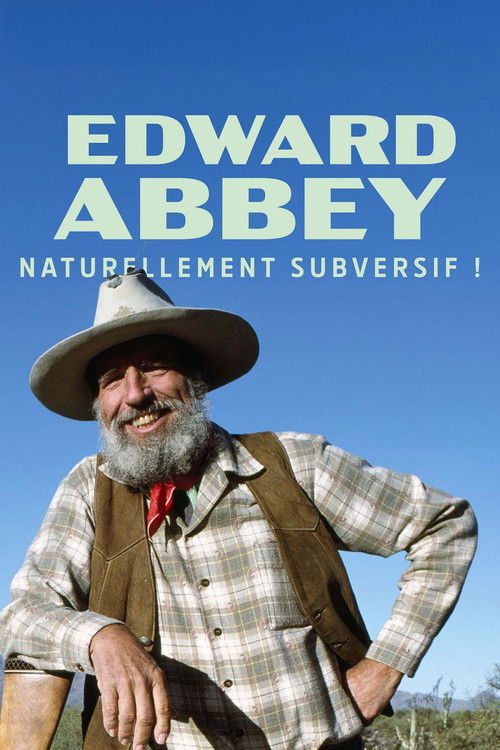
A resistance writer and pioneer of nature writing with a controversial personality, Edward Abbey wrote more than twenty books on the theme of eternal nature. A gem of counterculture, his 1975 novel The Monkey Wrench Gang inspired a generation of environmental activists and readers with rebellious souls. Portrait of a rebellious, lyrical, and rude writer.
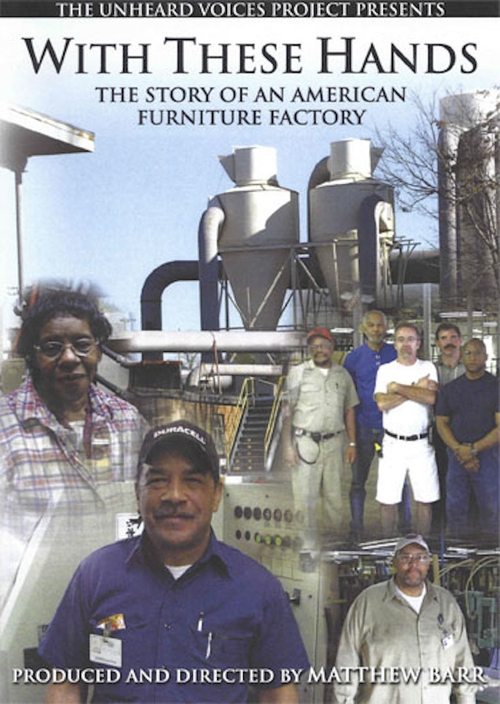
In 2007, unable to compete with cheaper offshore production, Hooker Furniture Co. closed its plant in Martinsville, Virginia, after 83 years in operation. With These Hands follows the last load of wood down the assembly line as it is cut, honed, and assembled into fine furniture. Along the way, employees at the factory share their perspectives on work, community, and survival in a country devastated by de-industrialization and outsourcing.