
Loading titles…

Narrateur

Rascar Capac, the sinister creature featured on Hergé's album The Seven Crystal Balls (1948), has left its mark on many generations of readers. To draw it, the Belgian cartoonist was probably inspired by a mummy exhibited in the first pre-Columbian exhibition organized by the Brussels Cinquantenaire Museum in 1923. Two intrepid archaeologists embark on a fascinating journey to reconstruct the story of the mysterious mummy.
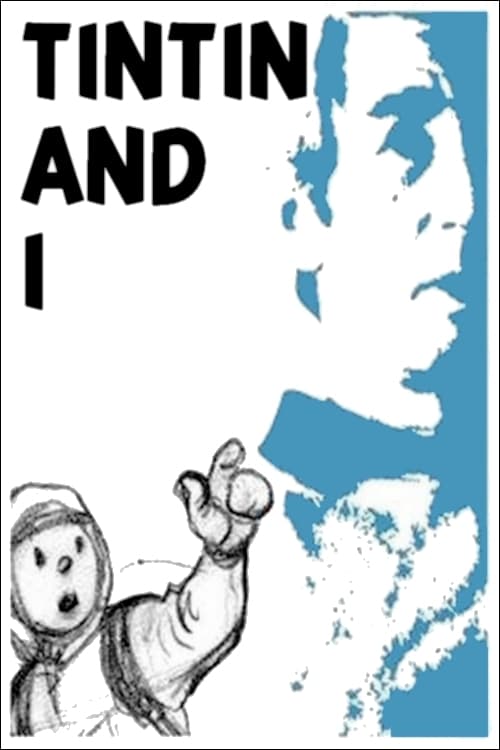
Why do the comic-strip Adventures of Tintin, about an intrepid boy reporter, continue to fascinate us decades after their publication? "Tintin and I" highlights the potent social and political underpinnings that give Tintin's world such depth, and delve into the mind of Hergé, Tintin's work-obsessed Belgian creator, to reveal the creation and development of Tintin over time. Rare and surprisingly candid 1970s interviews reveal the profound insecurities and anxieties that drove Hergé to produce stories that have not only entertained millions of children but also helped to satisfy a personal longing for self-expression.



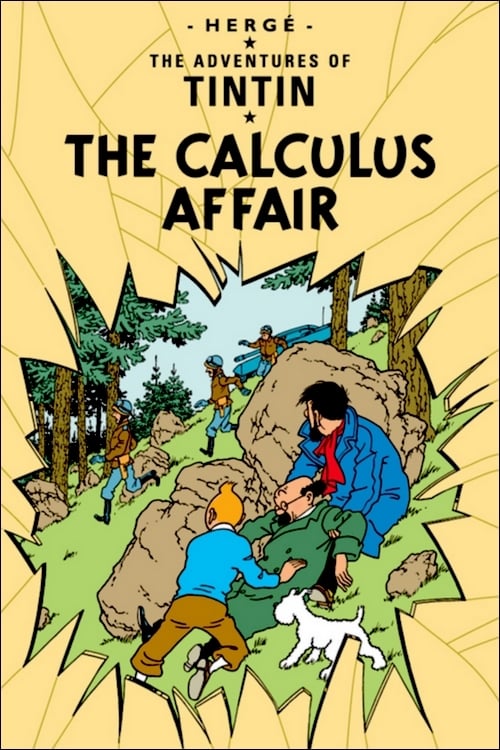
Professor Calculus's friend develops a blue-skinned orange that can grow on any kind of land and survive harsh weather (in the manner of Lue Gim Gong) and therefore solve world hunger. The Professor and his friends, however, run afoul of gangsters who also covet the fruit. The adventure takes them from their home in Marlinspike Hall (Moulinsart), a fictional mansion that is presumably in Belgium, to Spain, where Calculus and another scientist are kidnapped.

After the death of Captain Thémistocle Paparanic, Captain Haddock's old friend, he inherits a ship called the Golden Fleece. Once Tintin and the captain arrive in Istanbul, where the ship is anchored, they meet Mr. Karabine, a businessman who stubbornly insists on buying it even though it is in a dilapidated state.
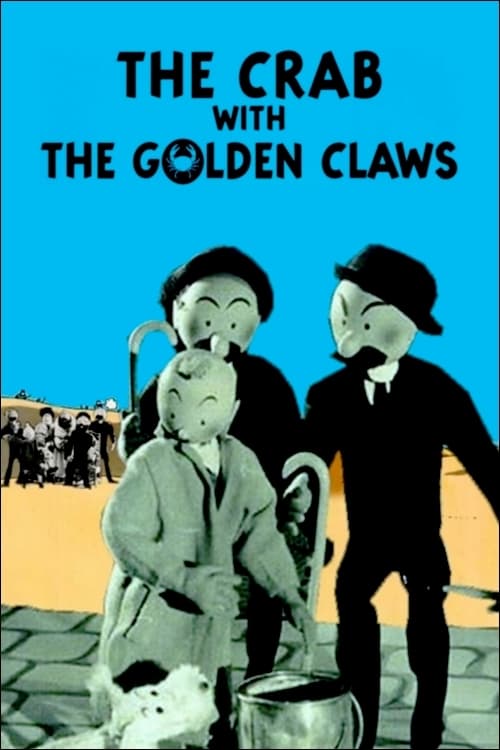
Strange things are happening in the evening at the mansion. Glass things break without any apparent reason. The Professor, somewhat apathetic to the whole series of events, leaves the following day to attend a conference on nuclear physics in Geneva. Foreign powers get wind of the Professor's work and send their agents to investigate.

Strange things are happening in the evening at the mansion: glass things break without any apparent reason. Professor Calculus, somewhat apathetic to the whole series of events, leaves the following day to attend a conference on nuclear physics in Geneva. Foreign powers get wind of his work and send their agents to investigate.