


Loading titles…
Documentary
Artistic director of the National Theater Eric de Vroedt writes and directs a performance about his own mother Winnie, who passed away in 2020. This piece, titled The Century of My Mother, is a family story about the migration from the Dutch East Indies to the Netherlands. It is…

Eric de Vroedt

Esther Scheldwacht
Bram Koopmans

Hein van der Heijden


In their songs, comedy and exuberant music, a travelling theatre company give a fiercely polemic account of Scottish history, from the aftermath of Culloden to the oil boom. Their production before a live audience is intercut with filmed reconstructions of the Highland Clearances and the Victorian obsession with hunting stags.

The decision to move to Holland doesn't sound like a wise idea. Why move to a country that could be flooded at any moment? For the last 25 years, the political climate has shifted. The public debate on migration has become harsher, more heated, and polarized. What would have been considered right-wing xenophobia back then, is now considered mainstream. Populists simplify complex realities into good and evil, victims and perpetrators: ‘us’ versus ‘them’. Their rhetoric often consists of dehumanizing words and metaphors. One of these is ‘water’. In reality, water is not an immediate threat to the average Dutch person; but it is a huge threat to the thousands trying to reach the Netherlands. People trying to survive the Mediterranean Sea in rubber boats. Trying to survive winter on the Aegean coast in primitive tents. To them, water really is deadly.
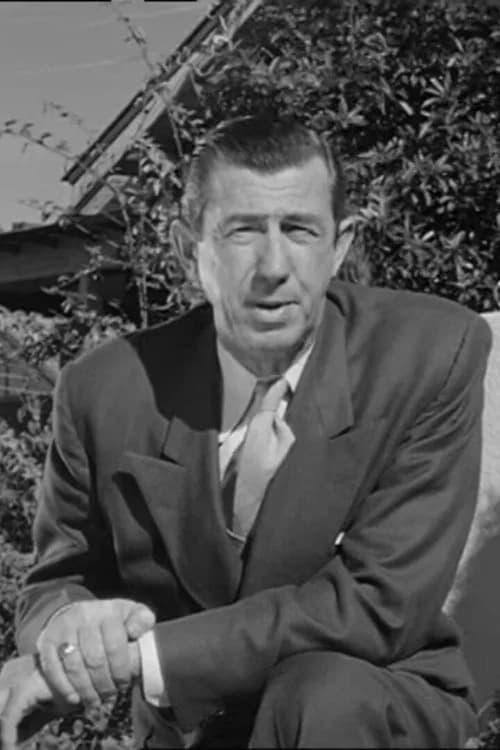
‘Bring Out a Briton’ was a short appeal for Australians to help the Immigration Department in its plan to form and assist a ‘Bring Out a Briton’ Committee in each district. It featured popular Australian actor Chips Rafferty as the spokesman for the campaign. Aimed at the Australian public rather than the prospective immigrants it was designed to allay a perceived anxiety amongst the public about non-British European migration.


The director's mother is 90 years old—and is beginning to forget herself. Not only herself, but everything else as well. She has dementia. Only her faith and her tireless knitting of exclusively blue socks keep her alive. The director, whose relationship with his mother has been very tense throughout his life, approaches the dissolution of his mother's ego in this experimental and essayistic film with the support of Didier Eribon, Simone de Beauvoir, Norbert Elias, Jean Améry, and others. In addition to this very personal story, he also tells a universal story about the process of aging, about repression, but also about rebellion in dealing with and interacting with aging people.