Loading titles…
Commentary (voice)

In 1980, Jack Shae and Allen Moore, two ethnographic filmmakers from Harvard University, moved their families to the island of Berneray in the Outer Hebrides. Over the course of 18 months they documented the everyday lives and struggles of the crofters they lived among, whom were even then a vanishing breed. The film is in English and Gaelic. This carefully observed documentary by filmmakers Jack Shae and Allen Moore is a poetic ethnographic film in the style of their mentor, Robert Gardner (“Dead Birds”). It follows the rhythm of life on a wind-swept island in the Outer Hebrides through the four seasons and in the filmmakers’ observation of the day-to-day struggles of a vanishing society we see the deep-time legacy of their kind. The film is in English and Gaelic.
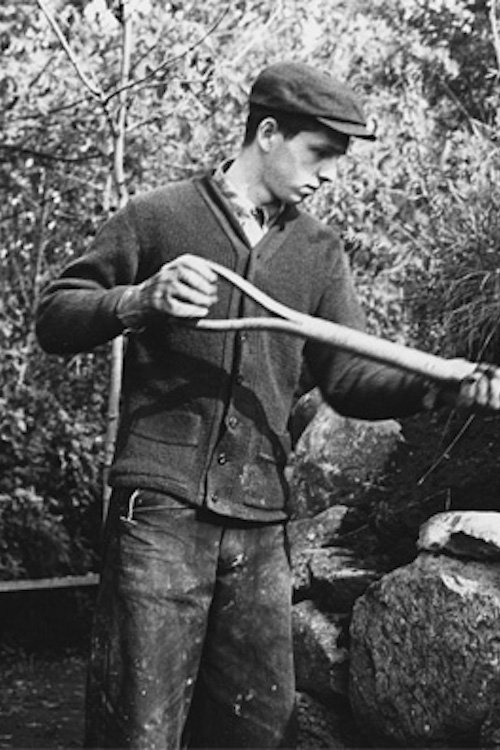
This short film traces the journey of the first Ukrainian settlers in Canada. Seeking freedom and opportunity, they came here and became instrumental in helping to open the Canadian West. Though they had little in the way of money or machinery, they had courage and faith in the future and were willing to put in the hard work. Every member of the family helped in the struggle, and in time, their efforts paid off.
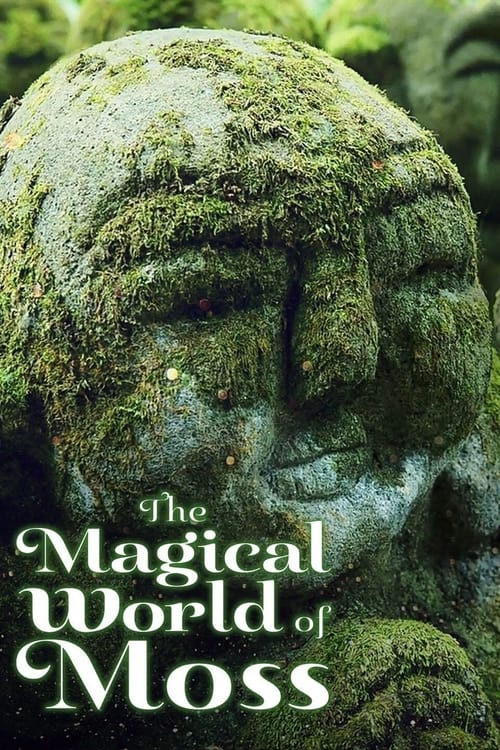
They have no roots, no seeds, no flowers, but mosses show immense survival capacities and can suspend their biological activity for long periods. Today, researchers are exploring the exceptional resistance of these archaic organisms. British ecologists have even resurrected a "zombie" moss that has been trapped in the permafrost for 1,500 years. Associated with decay and disliked in Europe, mosses are deified in Japan. With 25,000 species worldwide, bryophytes - their scientific name - are the seat of real ecosystems, and can develop in inhospitable landscapes, through an extravagant reproduction cycle.

How did it come about that we no longer see living beings in farm animals, but objects? Every year, 70 billion farm animals are slaughtered for consumption around the world. 80 percent are kept on large farms. They live crammed together in overcrowded stables, are fattened and finally slaughtered without ever having been in nature. In less than two generations, intensive husbandry has become established worldwide. Researches in Poland, the USA, Germany and Vietnam gets to the bottom of the system and those responsible. The meat industry is subsidized by the state. Corporations, governments and consumers tacitly support a deregulated and dehumanized economic system that makes unlimited consumption of animal products the norm - and with it, animal cruelty. The documentary film describes the triumph of industrial agriculture, in which the animal has to endure unimaginable suffering, becomes a commodity, a raw material that is always available and can be slaughtered and processed at will.