
Loading titles…
Documentary / History / TV Movie
He is considered the greatest European poet of the Middle Ages and his work unfolds the whole panopticon of occidental education – theology, philosophy, sciences, politics and literature. But who has really read it, the “Divine Comedy”? Who knows more of its creator Dante…

Dante Alighieri
Dante Alighieri (older)
Narrator
Self

"...a charming depiction of life as I knew it with my grandparents in my own village..." Clara Caleo Green, Cinema Italia UK "The sum of the individual fates and life choices paints a picture, the validity of which extends far beyond this village." Joachim Manzin, Black Box This documentary records the thoughtful and emotional confrontation with time, change, loss and hope related by the members of a small community in the idyllic Ligurian countryside who are dealing with a rapidly changing agricultural industry, transformed by globalisation and technological advances and an increasing number of foreigners buying the empty houses in their village. Forgoing the use of music and voice over, the film lets Aracà's inhabitants tell their own stories and allows the audience to dive into the rich soundscape of the ligurian alpine countryside.
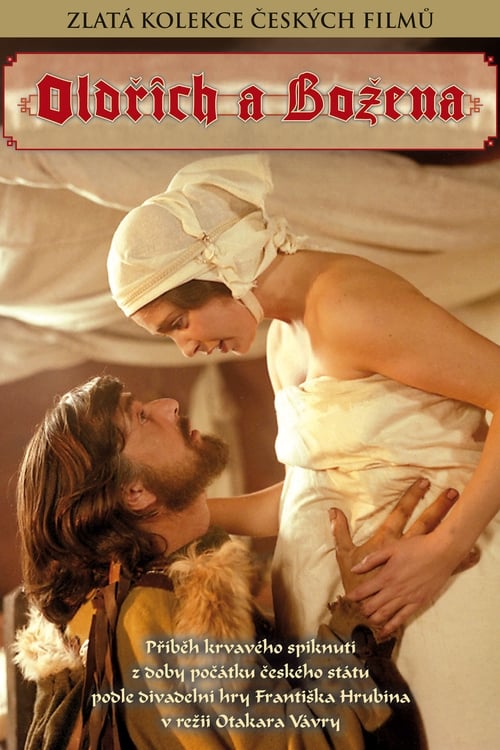
At the turn of the 10th and 11th centuries Boleslav's kingdom fell apart in the fratricidal war between the Přemyslovci and the other clans the main profiteer of this being the German emperor. At that time it seemed as if the Czech state and the lineage of its princes was awaiting its end..." It is with these words that the tale of this film begins, whose narrative is based upon the the play by František Hrubín of the same name.
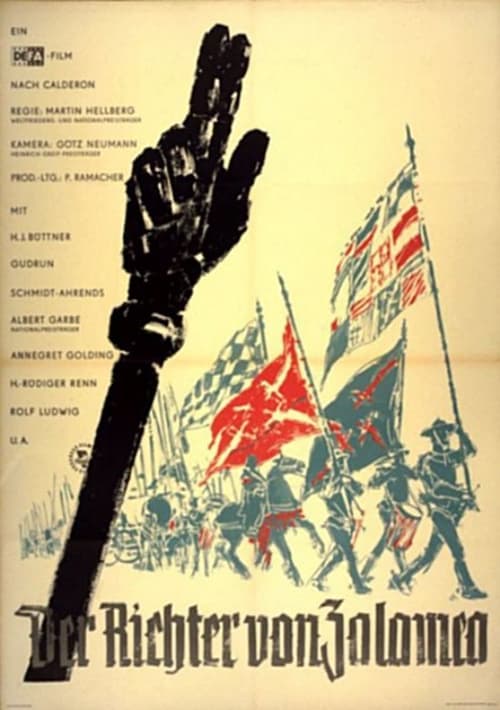
Historical drama set during the reign of Philip II of Spain. The royal troops have taken up quarters in the village of Zalamea. Captain Don Alvaro is staying with the farmer Pedro Crespo. His daughter Isabel behaves very coldly and dismissively toward the captain, which irritates him. Finally, he takes her by force and humiliates her father. The captain is put on trial in the village. Pedro is appointed judge and, despite all the threats from General de Lope, sentences the captain to death. De Lope then wants to deny him his judicial authority. Surprisingly, King Philip II appears in the village and confirms the harsh sentence, but wants to pardon the offender. However, the sentence has already been carried out.

Shows how classical Rome, the church, and the life and times of the people have influenced Italian artists. The Gates of Paradise by Ghiberti, the Arena Chapel in Padua. Giotto's frescoes, and other historic Italian monuments and works of art are pictured. For junior and senior high school, college, and adult groups.
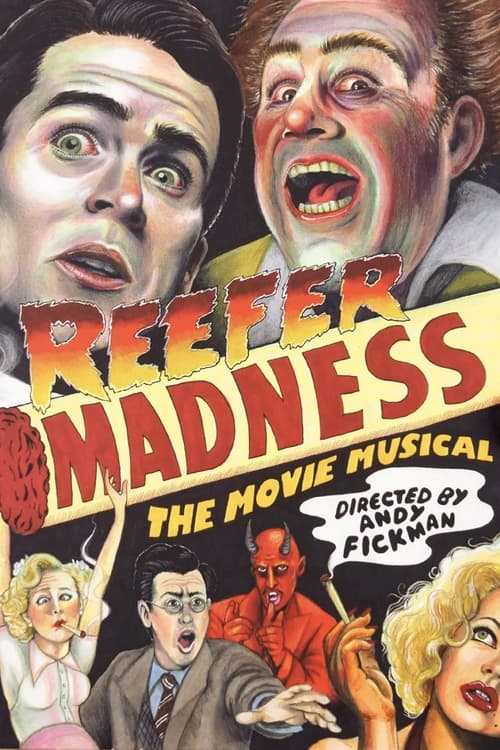
From an ominous Lecturer, a small 1930s middle American community learns of the Harper Affair, in which young Jimmy Harper finds his life of promise turn into a life of debauchery and murder thanks to the new drug menace marijuana. Along the way, he receives help from his girlfriend Mary and Jesus Himself, but always finds himself in the arms of the Reefer Man and the rest of the denizens of the Reefer Den.

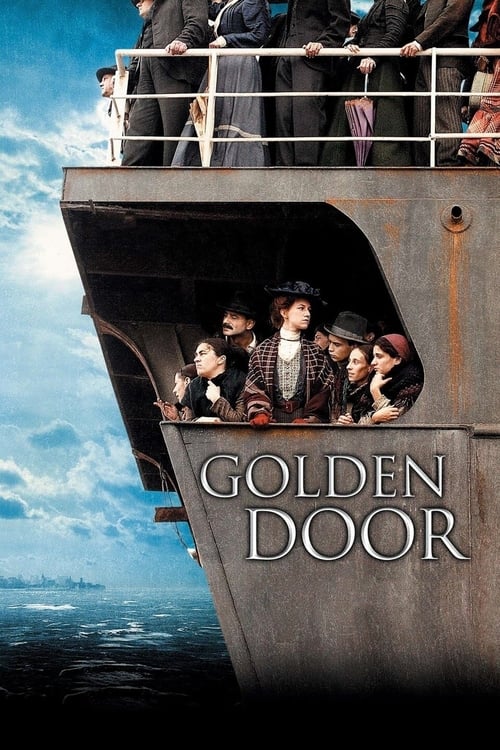
The story is set at the beginning of the 20th century in Sicily. Salvatore, a very poor farmer, and a widower, decides to emigrate to the US with all his family, including his old mother. Before they embark, they meet Lucy. She is supposed to be a British lady and wants to come back to the States. Lucy, or Luce as Salvatore calls her, for unknown reasons wants to marry someone before to arrive to Ellis Island in New York. Salvatore accepts the proposal. Once they arrive in Ellis Island they spend the quarantine period trying to pass the examinations to be admitted to the States. Tests are not so simple for poor farmers coming from Sicily. Their destiny is in the hands of the custom officers.
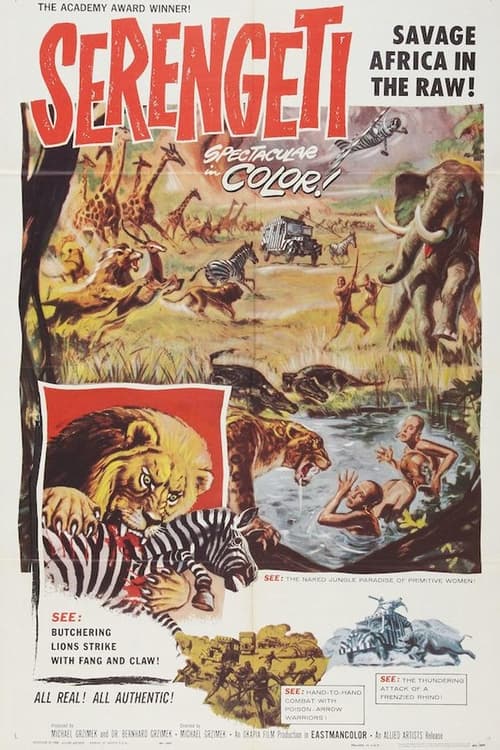
The film tells of the beginnings of the Serengeti National Park in Tanzania. At the end of the 1950s, the Tanzanian National Park Administration wanted to fence in the protected area around the Ngorongoro Crater. Bernhard and Michael Grzimek were invited by the national park administration in 1957 to get a precise picture of the animal migrations and to provide the national park administration with the values they needed for their project. Using a new counting method with two airplanes, the Grzimeks found out that the migration of the herds was different than assumed.