


Loading titles…
Documentary / History
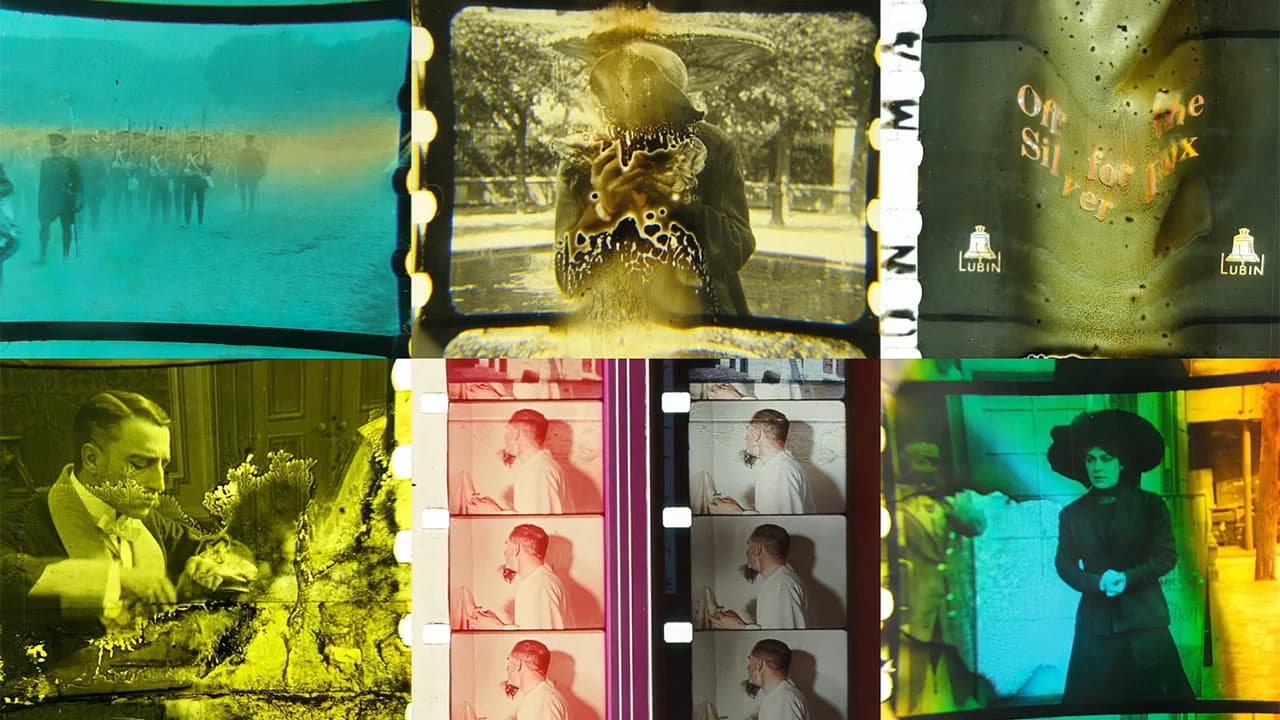
Why are we still able, today, to view images that were captured over 125 years ago? As we enter the digital age, audiovisual heritage seems to be a sure and obvious fact. However, much of cinema and our filmed history has been lost forever. Archivists, technicians and filmmakers…
Self

Self

Self
Self
Self

Self
Self

Self

In 150 years, twice marked by total destruction —a terrible earthquake in 1923 and incendiary bombings in 1945— followed by a spectacular rebirth, Tokyo, the old city of Edo, has become the largest and most futuristic capital in the world in a transformation process fueled by the exceptional resilience of its inhabitants, and nourished by a unique phenomenon of cultural hybridization.


Born into a family of actors, Françoise Dorléac, Catherine Deneuve's older sister, began her career at the age of 15. She shone a few years later alongside Jean-Paul Belmondo in "L'Homme de Rio". From there, a great international career is announced to the young actress. But in 1967, a few months after filming the "Demoiselles de Rochefort" with her sister, she died tragically in a road accident, at the age of 25. Nevertheless, she leaves behind an abundant career and thus continues to be present in the minds of cinephiles.

In one of those wonderful coincidences of history, lumière, the French word for “light,” was also the last name of brothers Auguste and Louis, whose brilliant invention, the cinematograph, helped to inaugurate the most beloved art form of the last 130 years. Institute Lumière director Thierry Frémaux uses Lumière, Le Cinema! to guide the viewer through over a hundred shorts—some famous, some forgotten, some never before seen—directed by Lumière and company. In the process, Frémaux illuminates how the brothers employed the camera as a creative instrument as they (and their operators) mastered framing, staging, and subject selection for quotidian and exotic microdocumentaries as well as the first ever fictional motion pictures. The result is not only a glorious re(telling) of the genesis of cinema but a profound meditation on the beautiful world captured—and the mysterious world imagined—by the Lumières.

Told through performances, TV interviews, home movies, family photographs, private letters and unpublished memoirs, the film reveals the essence of an extraordinary woman who rose from humble beginnings in New York City to become a glamorous international superstar and one of the greatest artists of all time.


Celebrating the splendor and grandeur of the great cinemas of the United States, built when movies were the acme of entertainment and the stories were larger than life, as were the venues designed to show them. The film also tracks the eventual decline of the palaces, through to today’s current preservation efforts. A tribute to America’s great art form and the great monuments created for audiences to enjoy them in.
Self

Self

Self

Self