Trevor McDonald
Self - Presenter
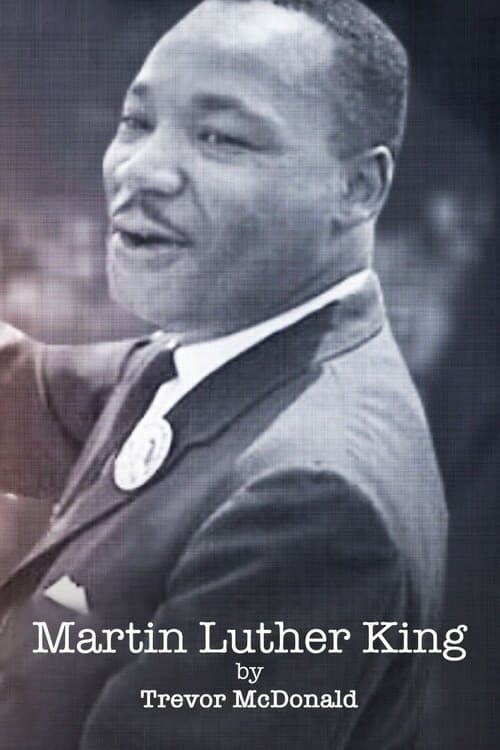
On the anniversary of Martin Luther King's death, Sir Trevor McDonald travels to the Deep South of America to get closer to the man who meant so much to him.
Self - Presenter
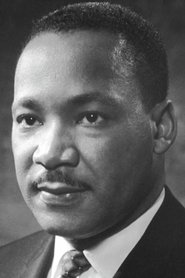
Self (archive footage)
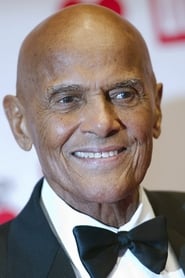
Self - Singer
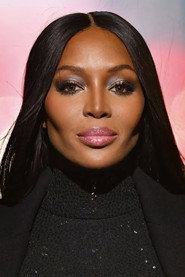
Self - Supermodel
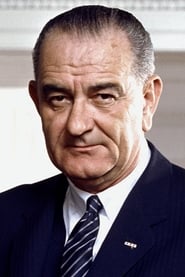
Self (archive footage)
Self
Self
Self
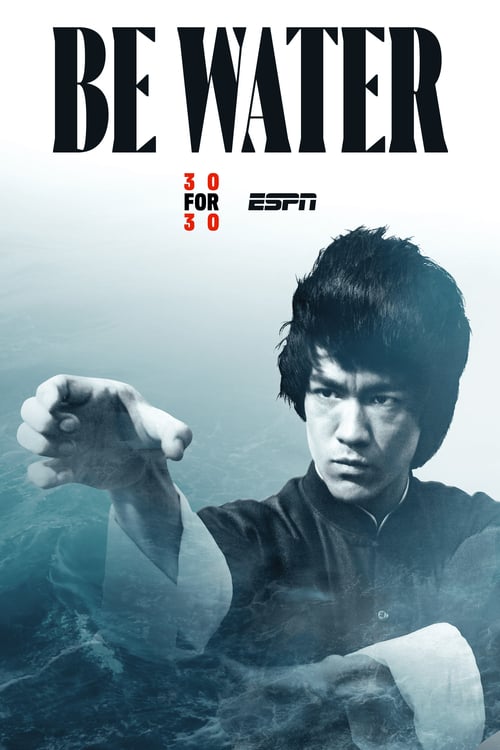
In 1971, after being rejected by Hollywood, Bruce Lee returned to his parents’ homeland of Hong Kong to complete four iconic films. Charting his struggles between two worlds, this portrait explores questions of identity and representation through the use of rare archival footage, interviews with loved ones and Bruce’s own writings.
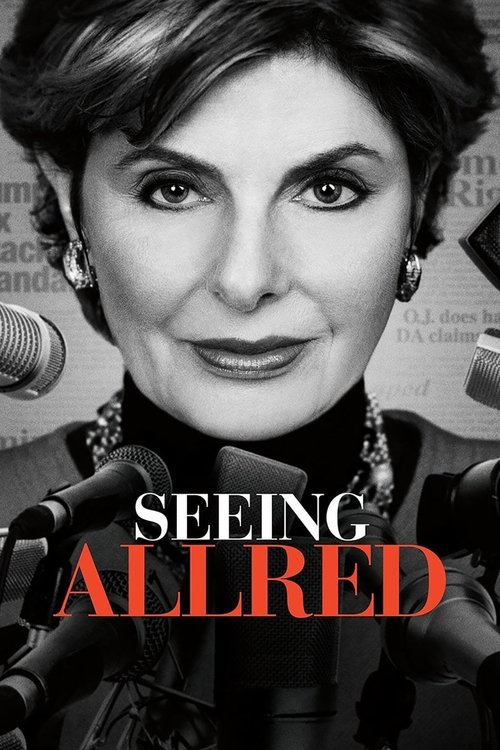
Gloria Allred overcame trauma and personal setbacks to become one of the nation’s most famous women’s rights attorneys. Now the feminist firebrand takes on two of the biggest adversaries of her career, Bill Cosby and Donald Trump, as sexual violence allegations grip the nation and keep her in the spotlight.
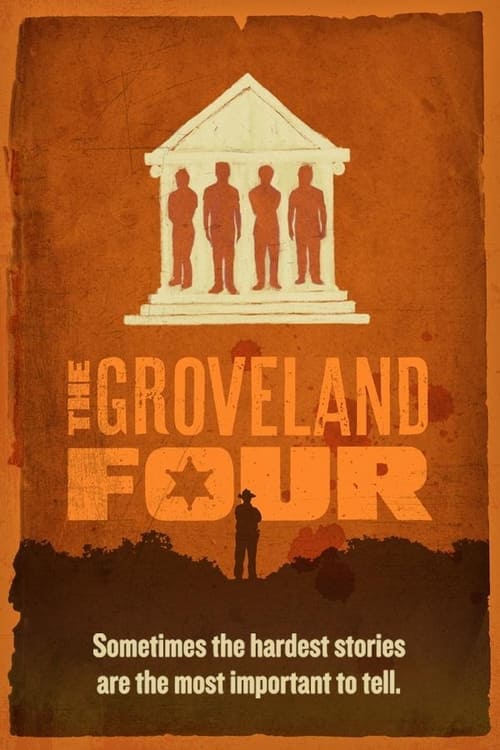
July, 1949: four young black men are wrongly accused of rape by a 17-year-old farm wife in rural Lake County, Florida. The case of “The Groveland Four” included a race riot, torture, multiple murders, two trials and a Supreme Court reversal. Though widely covered by the national press, the case has been largely forgotten... even though it helped lay a foundation for the Civil Rights Movement.
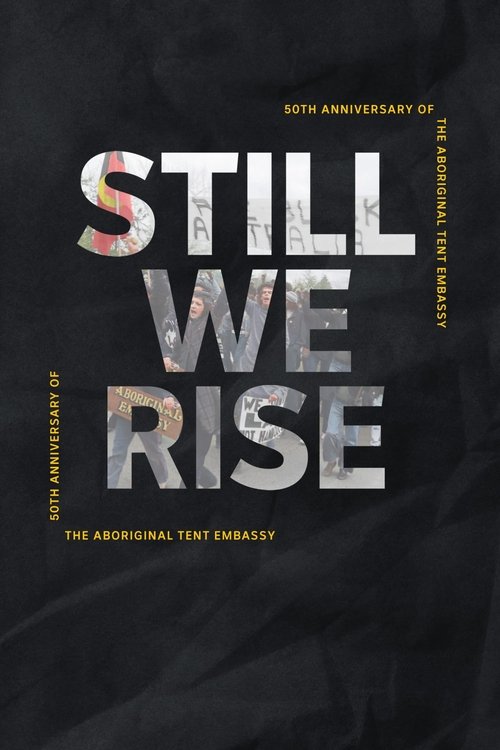
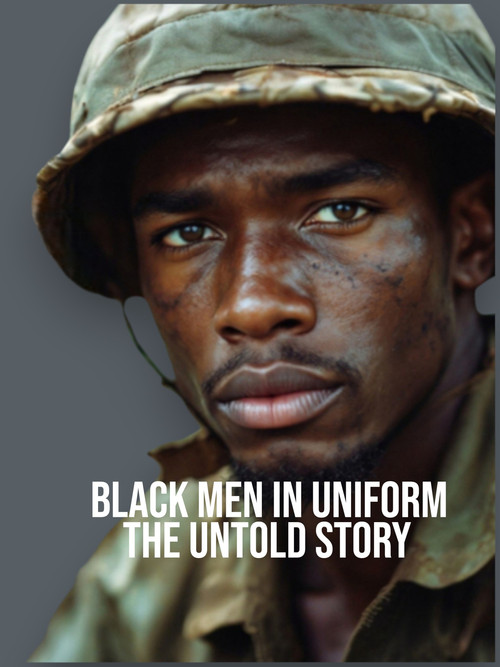
Pata Seca (1828), a man whose back bore the whip marks of his enslavers , whose eyes held the haunted memory of being forced to breed over 200 slave children in order to sustain his master’s plantation. Men broken but unbowed, transformed from field hands into soldiers from the civil war to Vietnam. This documentary weaves together authentic narratives from the 1800s, accompanied by original images and footage, highlighting the significant influence that Black men in uniform had in Hollywood and addressing ongoing relevant issues to date.
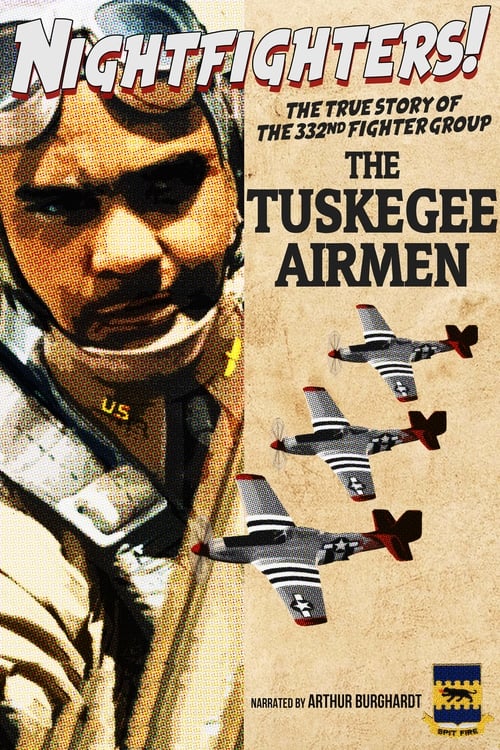
The story of the Tuskegee Airmen, a group of African American pilots who saw combat during the Second World War. The 332nd Fighter Group stands apart from any other air force fighter groups in the Second World War: all personnel, from pilots to ground crew to surgeons, were black. They confounded expectations and prejudices existing in America in the thirties and forties about the abilities of black Americans. They excelled as pilots and became a crack unit, showing great courage and skill and achieving where other fighter groups had failed. Despite this, they were segregated on the ground and in the air from the white flyers whose lives they protected. (Alexander Street)