Loading titles…
The indigenous people of the Darién Gap rainforest work with conservationists to use their heritage and traditions to protect the endangered Harpy Eagle and, in turn, protect their community.
No cast information available.
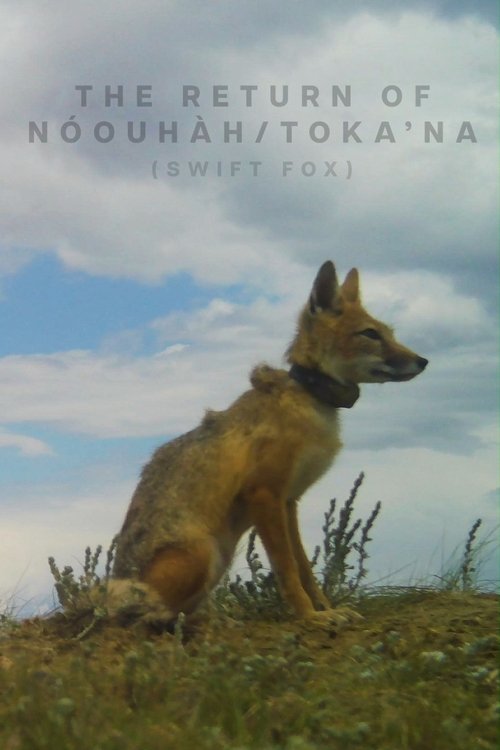
Nóouhàh-Toka’na, known as swift fox in English, once roamed the North American Great Plains from Canada to Texas. Like bison, pronghorn and other plains animals, Nóouhàh-Toka’na held cultural significance for the Native Americans who lived alongside them. But predator control programs in the mid-1900s reduced the foxes to just 10 percent of their native range. At the Fort Belknap Indian Community in Montana, members of the Aaniiih and Nakoda tribes are working with the Smithsonian’s National Zoo and Conservation Biology Institute and other conservation partners to restore biodiversity and return Nóouhàh-Toka’na to the land.
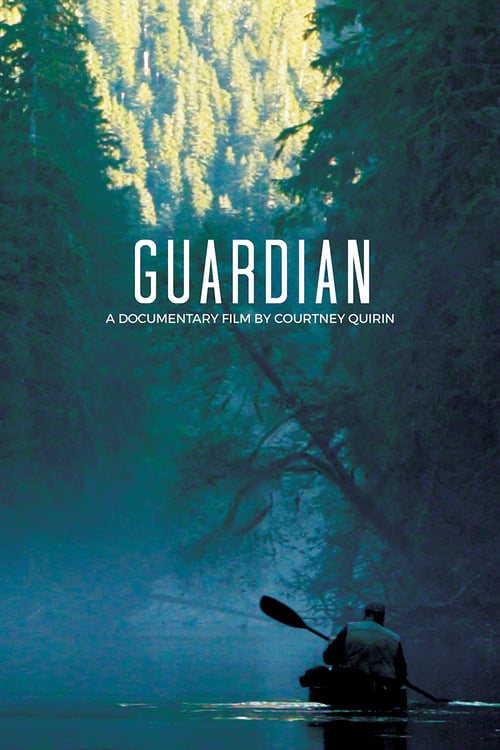
Guardian chronicles the work of wildlife stewards amid sweeping legislative rollbacks of environmental protections in Canada. Part hermit, part biologist, Guardians live on boats, full-time, in one of the last pristine frontiers of the world to monitor salmon, the backbone of the ecosystem, economy, and culture along British Columbia's coast. But, in an age of science censorship and soaring resource extraction in the form of fracking for oil and natural gas, Guardians and the wildlife they have dedicated their lives to protect are now disappearing.
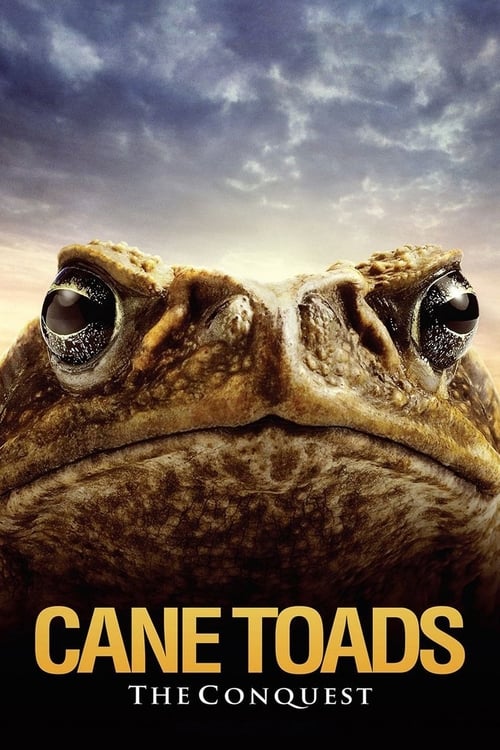
Cane Toads: The Conquest is a comic yet provocative account of Australia’s most notorious environmental blunder from filmmaker Mark Lewis. Shot against the harsh and beautiful landscape of northern Australia, Cane Toads: The Conquest tracks the unstoppable journey of the toad across the continent. Director Mark Lewis (Cane Toads: An Unnatural History, The Natural History of the Chicken) injects his trademark irreverence and humor into the story as he follows a trail of human conflict, bizarre culture and extraordinary close encounters. Filmed with high-resolution 3D technology, Cane Toads is the first Australian digital 3D feature film. Custom designed equipment allows viewers to get up close and personal with these curious creatures like never before. The unique viewing experience is like being immersed in the world of the toad.
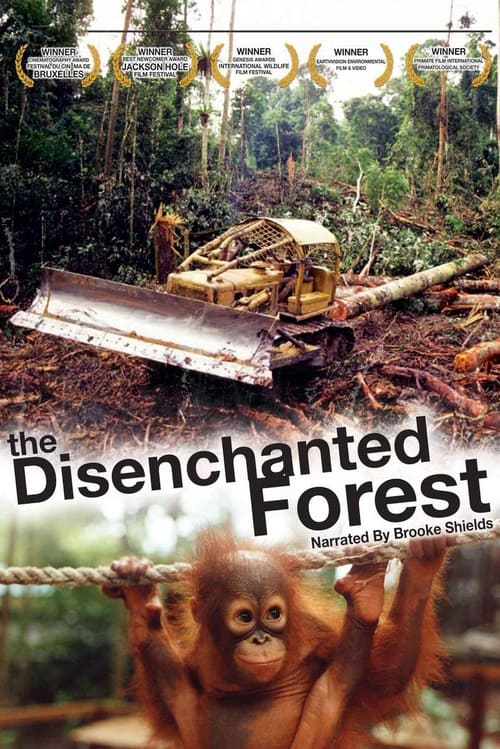
We call them o-rang-u-tans, which literally means "forest persons" in the Malay and Indonesian languages. They are the only great apes native to Asia. Of all the apes, they are the closest to man in genetic makeup. And they face extinction. Two years in the making, the film is an intimate portrayal of the world of orangutans, the threats to their survival and the people committed to help them thrive. The film focuses on a recent discovery that orangutans do not rely on animal instinct for survival, but instead have a culture that they have preserved from generation to generation.
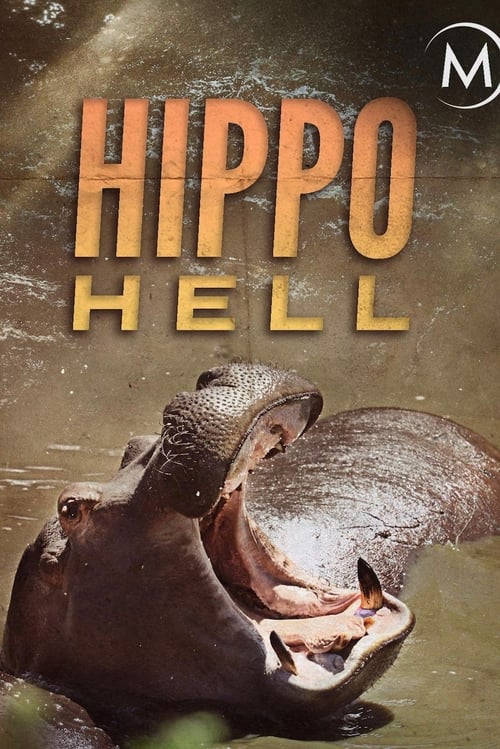
The dry season is always a struggle for the animals in the in the Luangwa Valley in Zambia - forced to share the last remaining water in the river. This is most strongly felt by the hippo population as they continually need to submerge their overheating bodies. This year the low river will be the least of their worries: An unseen killer is waiting to attack. The congested river and extreme circumstances provide the perfect conditions for an Anthrax epidemic to strike. Before the return of the rains the dominant hippo bull will witness the devastation of a fifth of his pod. This season a young mother and her calf and two brothers must negotiate these terrible odds and try to survive this...Hippo Hell.