
Loading titles…
Suchart Ingtha
Somporn Tumma
Pornthip Rungrueang
Patiphan Nalong
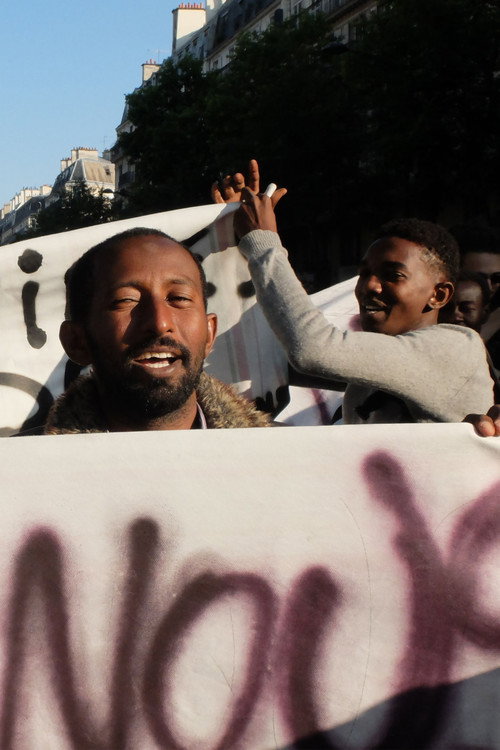
La Chapelle neighbourhood, Paris. Hundreds of exiled people from East Africa survive on the streets, chased violently by the police, yet seeking to defend their rights as asylum seekers. Some months later, having finally obtained their rightful housing, two Sudanese young men return to the sites where they first landed and talk about their arrival in Paris during this agitation.
Narir Kotha is an exploration of the experience of women in the Bangladesh Liberation War of 1971. During the war, thousands of women were systematically raped and tortured by the Pakistan Army and their collaborators. But they were not only victims of sexual violence, they were also in the front lines of the popular resistance against the occupying Army, as fighters and martyrs. Narir Kotha is an attempt to explore some of these stories, through the words of the women themselves.
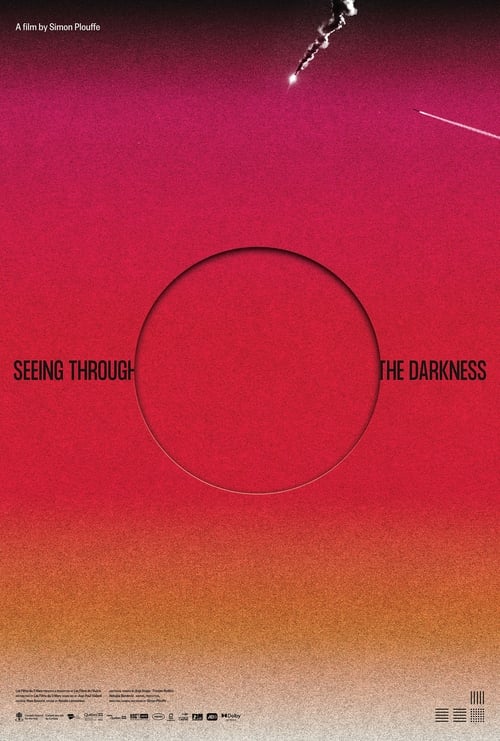
The film follows five people who lost their sight in armed conflicts, gathering fragments of their present-day lives. Through an enveloping sound composition, veiled archival material, footage shot by the protagonists themselves, and a sensitive visual approach, the film explores memory, perception, and our relationship to the visible. Steering away from spectacle, it invites us to hear what often goes unheard, and to feel differently. In an age saturated with images, this documentary offers a sensory experience where listening becomes a gesture of resistance and human reconnection.
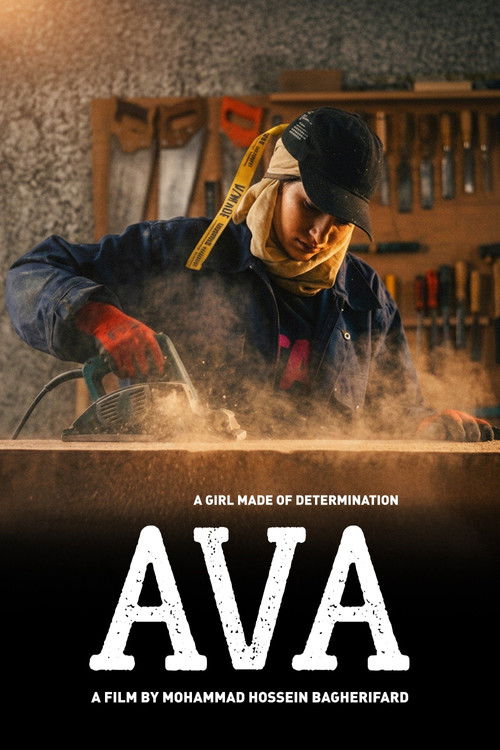
Breaking a centuries-old taboo, Ava stands as the first woman in Iran to master the male-dominated craft of carpentry. Within the grit and clamor of the workshop, she confronts a society that deems her presence forbidden. This observational documentary captures her daily battle against physical hardships and social judgment.
Shuja’iyah: Land of the Brave represents one filmmaker’s personal reflection on the meaning of “crimes against humanity” in the context of Israel’s ‘Operation Protective Edge’ waged in the Gaza Strip in 2014, using footage of her family filmed in the summer of 2013 juxtaposed against audio from the summer of 2014. Assali posed the question, when we say ‘crimes against humanity’, what ‘humanity’ are we talking about?”
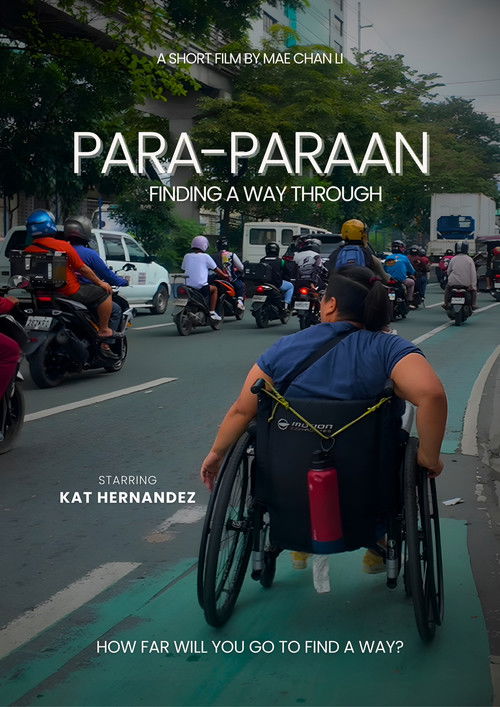
Kat, a wheelchair user, navigates a city where access is improvised and progress remains uneven. Para-Paraan (Finding a Way Through) turns silence into protest, revealing how every workaround conceals a larger truth. Kat’s silence is not defeat but defiance, a quiet hope that someday, resilience will no longer be the only way forward.