

Loading titles…
Documentary
Esperanza and Teodula are calling for justice in rural Peru, part of 300,000 people sterilised without consent more than 18 years ago. The Quipu Project is their phone line that allows the affected across the country to share their shocking testimonies and ensure those…
No cast information available.

SINOPSIS / SYNOPSIS Every year in Spain, some 16,000 Fiestas are organized, during which animals are used. Honoring the Holy Virgin and the Patron Saints, and with the blessing of religious and political authorities, entire towns -including children- are involved in celebrations of unbelievable cruelty. 60,000 animals are hence abused each year during these “Fiestas of Blood”.


Filmed in Victoriaville, the film uses images from various sources to paint a cynical portrait of the violent boredom that reigns in rural areas. Quiet sequences of people sharing joints by the river are followed by a lone car speeding along wooded roads, as if seeking speed on the brink of accident. Thuya abandons technical mastery in favor of intimate and spontaneous filming, composing a raw self-documentation of daily stagnation. Filmed mainly in a single day of improvisation, based on chance encounters and found footage.

Oases are more than fairytale places in the desert sand. Amidst the stony heights of the Andes, the endless expanse of the Pacific, or the hectic concrete sausages of Mumbai, islands of life flourish. In breathtaking shots, the documentary explores the phenomenon of oases – and the magical places in the Saharan sand are of course included.


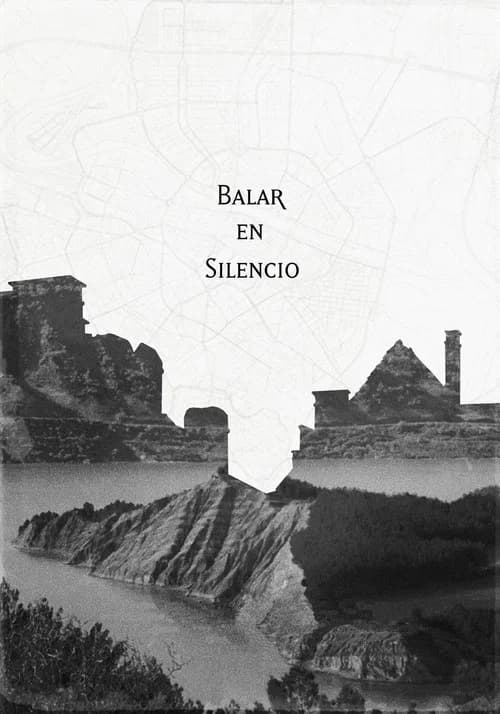
High above the Yesa reservoir lies what was once a village, now nothing more than memories: Tiermas. There, where families and dreams once thrived, wild vegetation now reigns, along with a silence that embraces the passage of time. Yet, if we look closely at what were once streets, houses, and churches, we can sense the whispers of the lives and memories of a community forced to flee its very essence. Tiermas is a limbo between oblivion and nostalgia, where the water has advanced and the trees have grown, but the stories refuse to fade away.
During the 2012 season, two Montana High School teams compete in 6-man football, a smaller version of American football with increasing popularity in rural communities. It's pure football, for the sake of football, played by boys of all sizes and abilities, for themselves and for the communities who know them oh so well. No television timeouts. No place to sit. Six Man Football.
The Shipibo-Konibo people of Peruvian Amazon decorate their pottery, jewelry, textiles, and body art with complex geometric patterns called kené. These patterns also have corresponding songs, called icaros, which are integral to the Shipibo way of life. This documentary explores these unique art forms, and one Shipibo family's efforts to safeguard the tradition.