
Loading titles…
Documentary
For a hundred years, the Association of Finnish Student Unions (SYL) has acted as the mouthpiece for Finnish university students. SYL opened its doors to the world and was a pioneer in both student health care and housing production. At the same time, there have been marches…
Narrator
Commentator
Commentator
Commentator
Commentator
Self


Pioneering the harsh landscape of Nebraska was difficult enough in 1869. Pioneering a new university was almost beyond reason. What was a university? Who should go? What should be taught? There were no guidebooks. No road maps. They were building a university out of little more than hopes and dreams.

Though commissioned by Trinity College Dublin as a fundraiser for the Berkeley Library and with extensive discussion of the history, architecture and collections of the Old Library, this film also provides a rare insight into student life in Dublin in the 1950s – at work and at play – and lauds the arrival of women and students from many lands.

Documentary film about Tony Halme, masculinity and populism. The film follows how Tony Halme created a mythical, highly masculine freestyle wrestling character, The Viking, who gained fame both in the ring and in the public eye and eventually became captivated by it. With his brash speeches, Halme fired the starting shot for the rise of the Finns Party. The voice of a forgotten section of the population, a protest against the ruling elite, were the building blocks of Halme's popularity. Halme's great popularity has served as a good example of a populist figure, admired within the deep ranks of the nation, who comes from outside the political elite and changes the direction of politics. Also, despite - or perhaps because of - his openly racist statements, he was part of changing the political climate in Finland to a more acrimonious one.

Metro trains disappear on the turning track, only to immediately return on the same route. Tapio (57), Toni (42) and Aksa (60) are also stuck on these tracks. The men meet every morning in the square behind the Herttoniemi metro station, from where they transfer to Vuosaari in the metro's "restaurant car". Men's lives are dominated by alcohol and unemployment. The turning track of dreams follows the lives of Tapio, Toni and Aksa for a year - moments filled with joy, despair, self-destruction and friendship in the metro stations and trains of Eastern Helsinki. It gives voice to those who do not have special human dignity in the eyes of society.
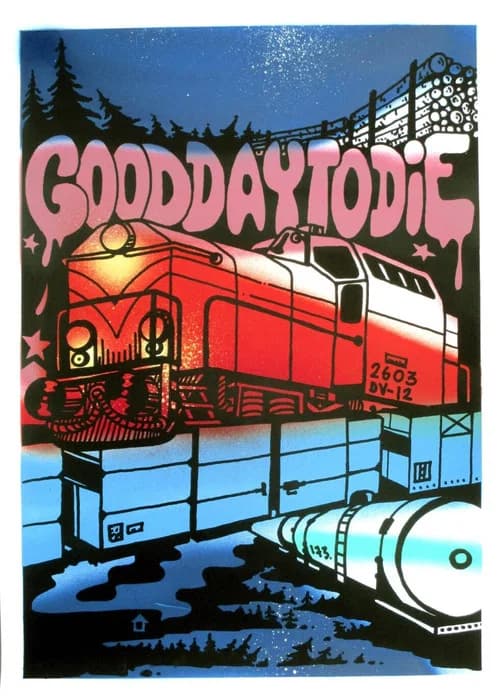
Several films have been made about the lives of train hobos, but Aleksi Pohjavirta's A Good Day to Die is probably the first Finnish documentary on the subject. The film follows Billy, who travels in a pump on freight trains. In the way of life, the feeling of freedom and letting yourself be carried away by chance are attractive and they make the train bomb strive for a windy ride again and again.

