
Loading titles…

Speaker


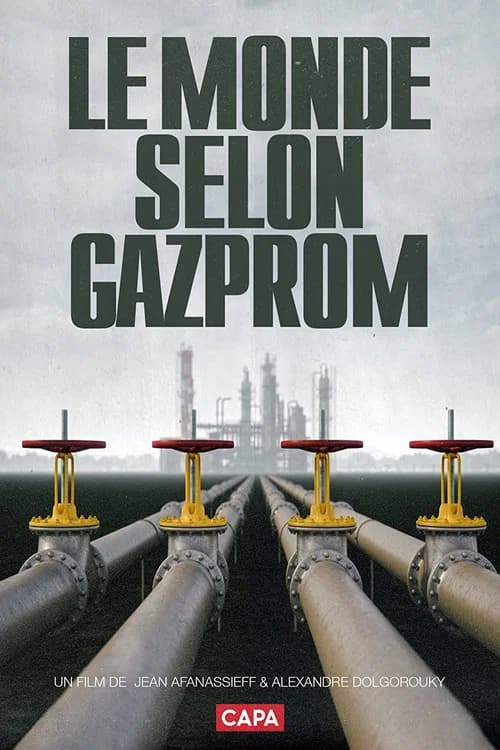
Gazprom, an industrial and financial conglomerate created in 1992, is the key weapon in the Kremlin's geopolitical strategy. First producer of natural gas, Russia indeed holds a third of the world's total reserves. Responsible for producing, distributing and selling it, Gazprom is a company like no other, where gas market professionals work, but also ministers, deputies and advisers close to the Russian president. It was during the winter of 2005-2006 that Europe, which buys 30% of its gas from Russia, suddenly became aware of its vulnerability. Comment ? Overnight, Russia had just cut gas supplies to the pro-Western Ukraine of Viktor Lushchenko, who refused to pay tariffs multiplied by five. Since then, the continuous rise in oil prices, coupled with ever-increasing Chinese demand, has confirmed the key role that its hydrocarbons give to Russia.
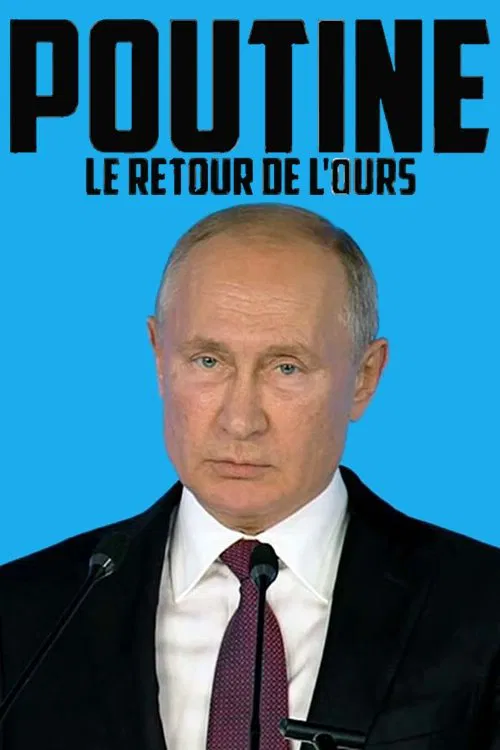
After twenty years in power, Vladimir Putin continues to implement his geopolitical strategy with Russia’s comeback on the big stage of world politics. He already announced his ambitions in 2007 – and still, it seems like the western governments were hit completely unprepared. What is behind this repeat of the Cold War?
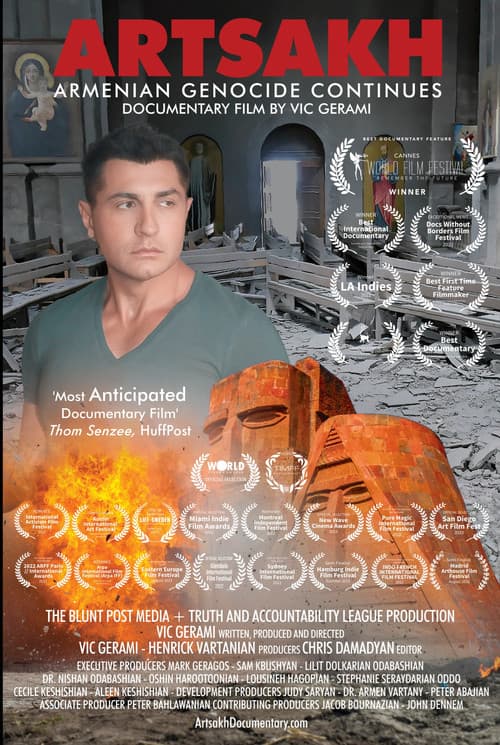
ARTSAKH Armenian Genocide Continues is a documentary film by multi-award-winning journalist & documentary filmmaker, Vic Gerami, about the Artsakh Genocide (Nagorno-Karabakh) perpetrated by Azerbaijan and Turkiye. It tells the story of this ongoing tragic chapter through the lens of Armenian-American journalist and LGBTQ+ activist Vic Gerami. Through a journalist’s perspective, ARTSAKH documents Azerbaijan’s and Turkey’s unprovoked genocidal attack and ethnic cleansing against Armenians of Artsakh, also known as Nagorno-Karabakh, starting on September 27, 2020. Azerbaijan, with the declared assistance from Turkey, launched a large-scale offensive against Artsakh. In its war effort, Azerbaijan relied on thousands of Turkish-paid jihadist mercenaries airlifted from terrorist camps in Syria, Libya, and Pakistan and brought to fight alongside the Azerbaijani Army. For 44 days, the world watched mainly in deafening silence as over 5,000+ Armenians were massacred.

The interview, held on January 4, 2001, was the last given by Professor Milton Santos, who died from cancer on June 24 of the same year. The geographer is gone, but his thoughts remains. Its political and cultural ideals inspire the debate on Brazilian society and the construction of a new world. His statement is a true testimony, a lesson that the world can be better. Based on geography, Milton Santos performs a reading of the contemporary world that reveals the different faces of the phenomenon of globalization. It is in the evidence of contradictions and paradoxes that constitute everyday life that Milton Santos sees the possibilities of building another reality. He innovates when, instead of standing against globalization, proposes and points out ways for another globalization.
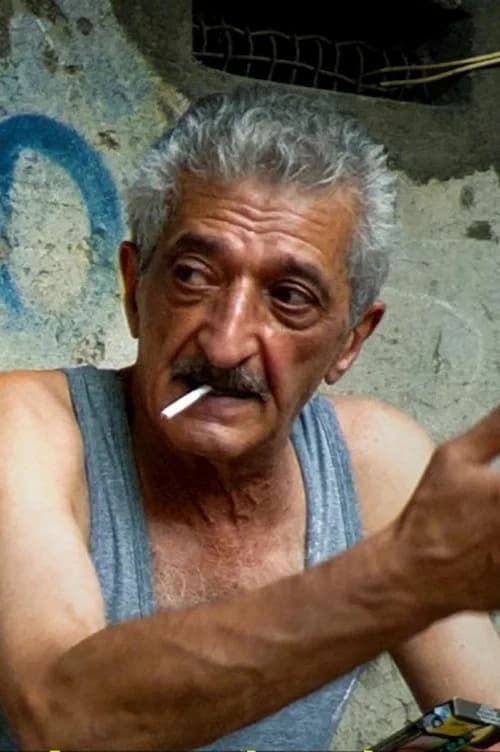
We travelled to Georgia, a country living in the shadow of Russia, where many believe they could be next. This film explores what that fear actually feels like on the ground - speaking to people whose lives, identity, and future are shaped by the possibility of invasion. From conversations on the street to a deeper look at how history, politics, and culture collide, this is a portrait of a country caught between independence and uncertainty. This film documents real people and perspectives.

