Loading titles…
Documentary
In 1972, Moody Anderson bought a ghost town and brought it back to life. Nearly four decades later, Moody faces the heart-wrenching task of dismantling and selling his collection of Americana artifacts used in hundreds of films, from Lonesome Dove and The Texas Chainsaw Massacre…
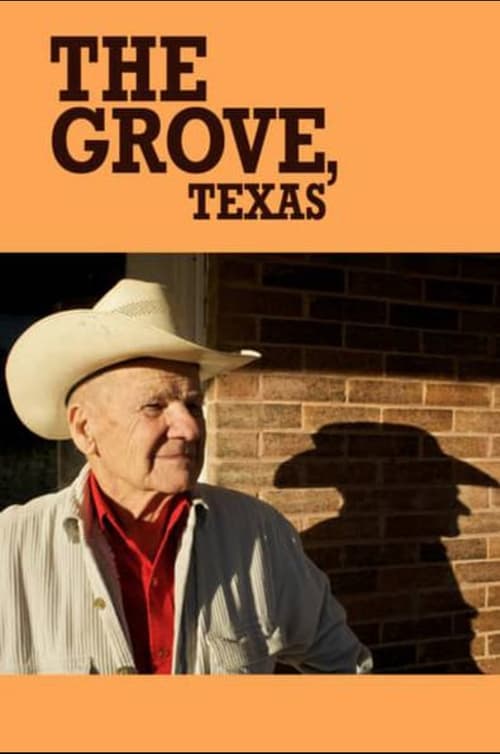
Self
Self
Self
Self
Self
Moody Anderson
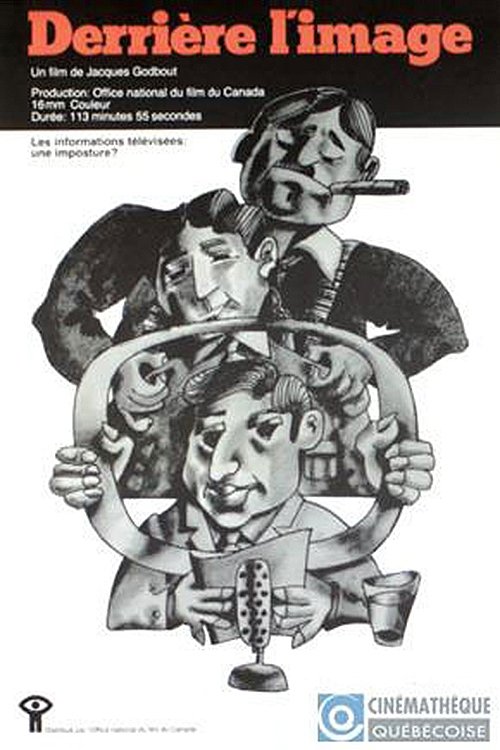
This feature-length documentary analyzes television newscasts and, as a result, takes a look at the news industry as a whole. By tackling five major themes – the script, the stars, the show, the actors and telecracy – it elucidates and demystifies certain aspects of television news, the bearer of daily news and guarantor of a certain image of reality.
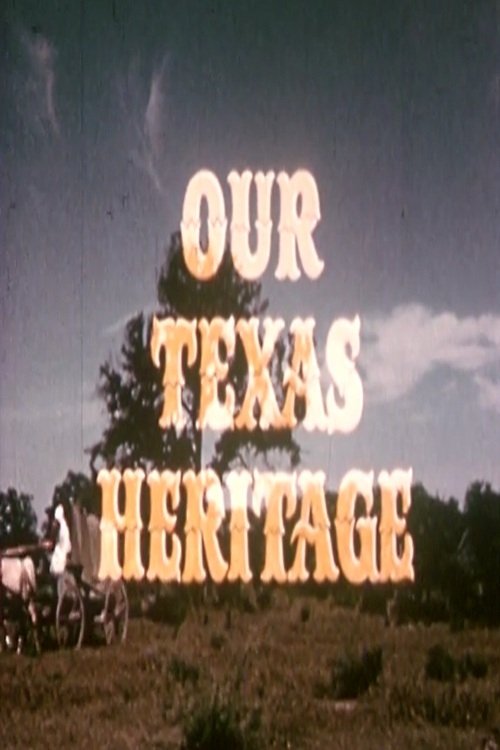
Explores the rich and diverse history of Texas, from its early exploration by Spaniards in 1519 to its eventual statehood in 1845. It highlights the various nations that governed Texas, the establishment of missions, the struggles of early settlers, and the significant battles for independence, such as the Alamo. The film also discusses the impact of immigration, the cattle ranching industry, and the discovery of oil, which transformed Texas into a land of opportunity. It celebrates the spirit of resilience and the cultural contributions of various immigrant groups, ultimately illustrating Texas's unique heritage.
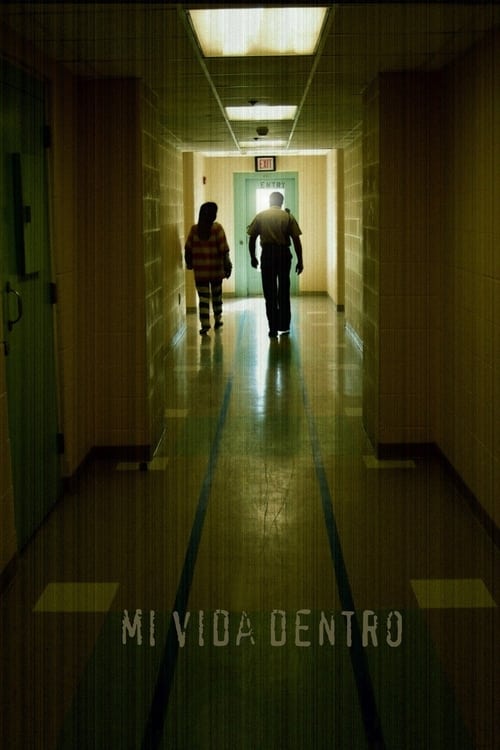
Rosa is a Mexican woman who, at the age of 17, migrated illegally to Austin, Texas. Some years later, she was jailed under suspicion of murder and then taken to trial. This film demonstrates how the judicial process, the verdict, the separation from her family, and the helplessness of being imprisoned in a foreign country make Rosa’s story an example of the hard life of Mexican migrants in the United States.

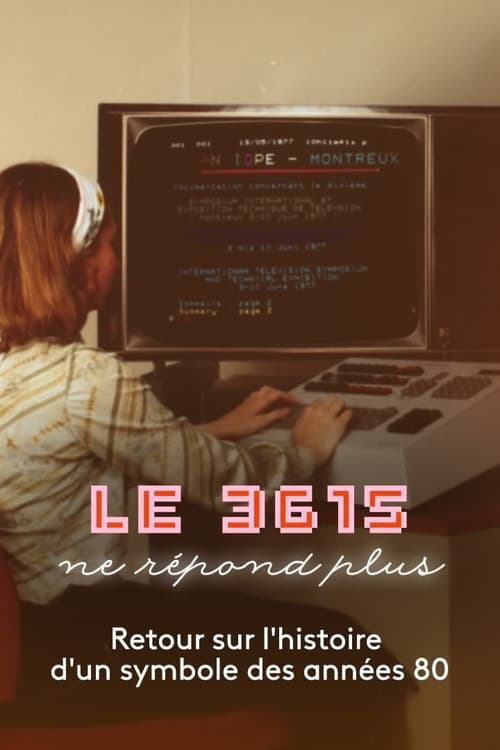
The adventure of the minitel, a small cubic terminal with a folding keyboard that began in the 1970s in the labs of France Telecom, is closely linked to Alsace. Alsatians had then in hand the future tools of interactive communication. What remains today of all those minitel years? Like a nocturnal and intimate road-movie, this documentary went to meet the last people who are still interested in the minitel, this strange beige box of access to telematic services, corny today, but pioneers at the end of the last century.
One night in November 1976, after his car breaks down on a road outside Dallas, Randall Dale Adams accepts a ride from teenager David Harris. Harris is driving a stolen vehicle and, later that night, when Dallas police officer Robert Wood pulls the car over to check its headlights, he is shot and killed. A jury believes Adams is the killer, but stylized reenactments and interviews with key figures, conflicting testimonies and evidence are presented to argue that Adams was framed by a corrupt justice system, ultimately leading to his exoneration.
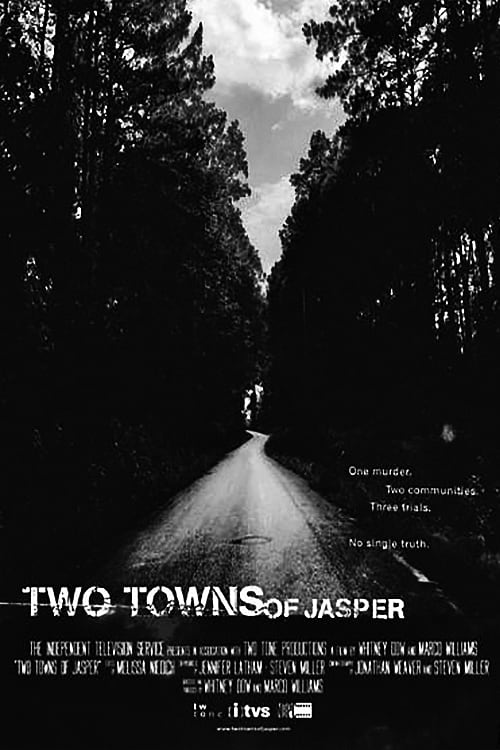
Using two separate filmmaking teams (an all-white crew filming white residents and an all-black camera crew filming black residents), TWO TOWNS OF JASPER captures very different racial views by townsfolk in Jasper, Texas, the location for a racially motivated murder of an African American man in 1998.

One day in the life of television is a documentary that was broadcast on ITV on 1 November 1989. Filmed by over fifty crews exactly one year earlier, it was a huge behind-the-scenes look at a wide range of activities involved in the production, reception and marketing of British television. The project was organised by the British Film Institute and produced and directed for television by Peter Kosminsky. A book by Sean Day-Lewis was published to accompany the documentary. It contained the thoughts of people throughout Britain, including industry professionals, who recorded their feelings and experiences of television viewing on 1 November 1988, the day that the documentary was filmed.