Loading titles…
Documentary
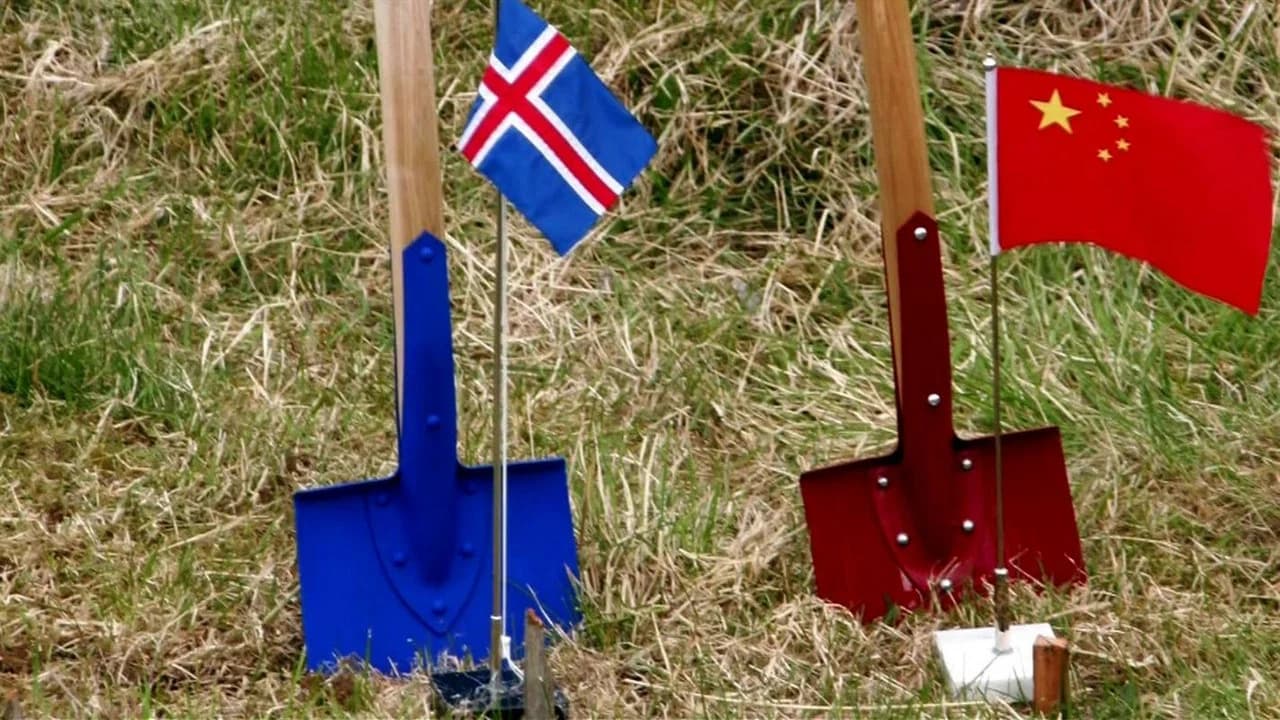
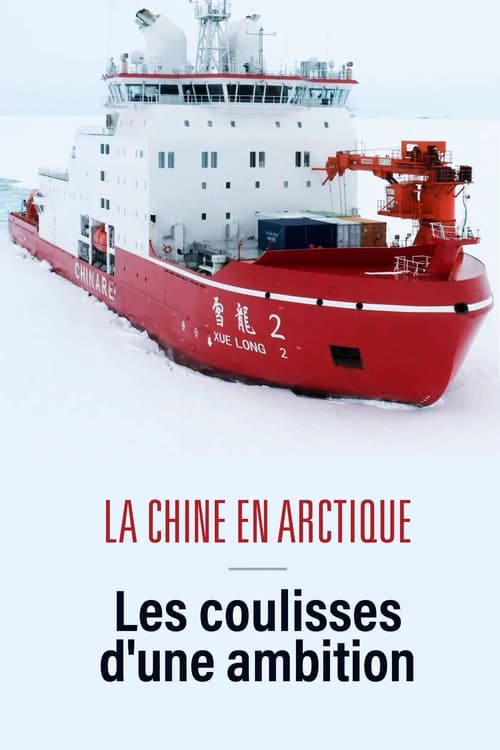
This documentary exposes the new geopolitical situation in one of the most remote regions of the planet: the Arctic. The arrival of China in this part of the world, thanks to the opening of new sea lanes, modifies the fragile balance between the superpowers that must deal with…
Self - Narrator (voice)
Self - Additional Voice (voice)
Self - Additional Voice (voice)
Self - Additional Voice (voice)
Self - Additional Voice (voice)
Self - Additional Voice (voice)
Self - Additional Voice (voice)
Self - Additional Voice (voice)
Self - Additional Voice (voice)

Self - Additional Voice (voice)
Self - Additional Voice (voice)
Self - Additional Voice (voice)
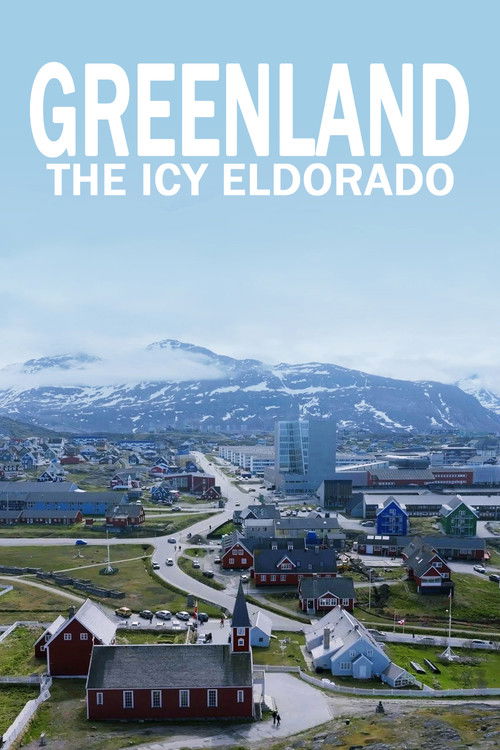
Greenland has become a major geopolitical issue between the United States, Europe, Russia, and China due to its geographical location and mineral resources. Its geopolitical destiny will have significant ecological consequences for the entire planet. What choice will the people of Greenland make? The largest island in the world, with its 2.2 million square kilometers covered 80% by ice, is also one of the least densely populated territories on Earth, with barely 57,000 inhabitants. Mainly living off fishing, tourism, and Danish subsidies, yet sitting on a potential treasure. We are talking about 25% of the world's hydrocarbon reserves, the third-largest uranium reserves, and 20% of rare earths. An icy Eldorado that today sparks all sorts of ambitions, one of the hotspots where the future of our multipolar world is being shaped. This is what the film will explore, addressing both its economic and commercial challenges, as well as its geo-ecological and military implications.
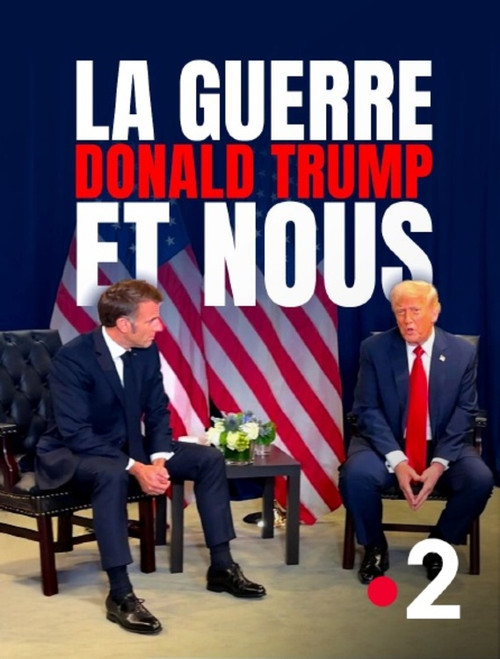
2025, the year of the intensification of a total and deadly war, which nothing and no one seems able to stop, targeting military personnel and civilians, and which has now claimed more than 1.5 million lives or left that many wounded on both sides. But 2025 is also the year of our break with Donald Trump's America, an America with violent and unpredictable reactions, which risks abandoning the old continent, its most loyal ally for 80 years, for Vladimir Putin. How can we stop this bloodshed on our doorstep? How can we contain the master of the Kremlin, a dictator whose predatory logic threatens to spread beyond Ukraine? Sabotage, ghost ships, interference operations, and drone flights: he is already waging a hybrid war against the rest of Europe. Is armed conflict between Europe and Russia now a possibility?
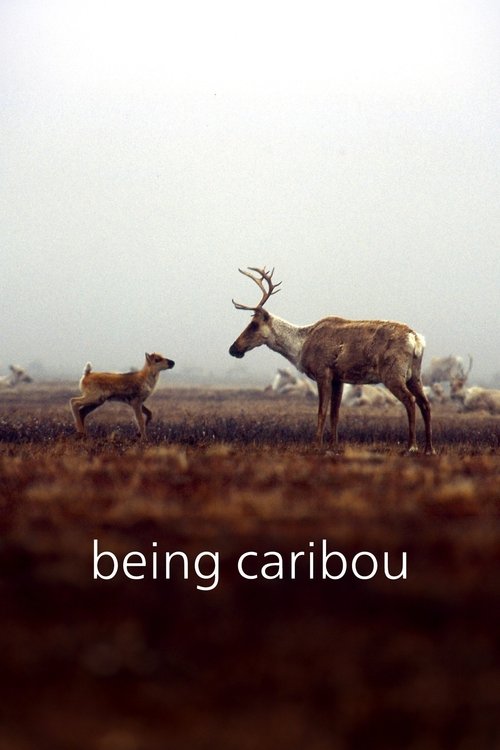
Wildlife biologist Karsten Heuer and his wife, environmentalist Leanne Allison follow a herd of 120,000 caribou on foot across 1500 km of Arctic tundra, hoping to raise awareness of the threats to the caribou's survival. Along this journey, they brave torrid conditions, dangerous wildlife and treacherous terrain all in the hopes of learning the truth about this epic migration.
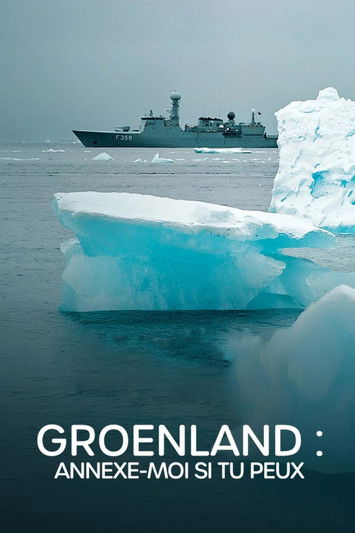
Greenland, a semi-autonomous territory of Denmark, is currently at the center of international covetousness and tensions. In his rivalry with China for technological supremacy, Donald Trump has made the acquisition of this Arctic territory a priority in order to secure American control over rare earth elements, of which Greenland is believed to hold one of the world's largest reserves.
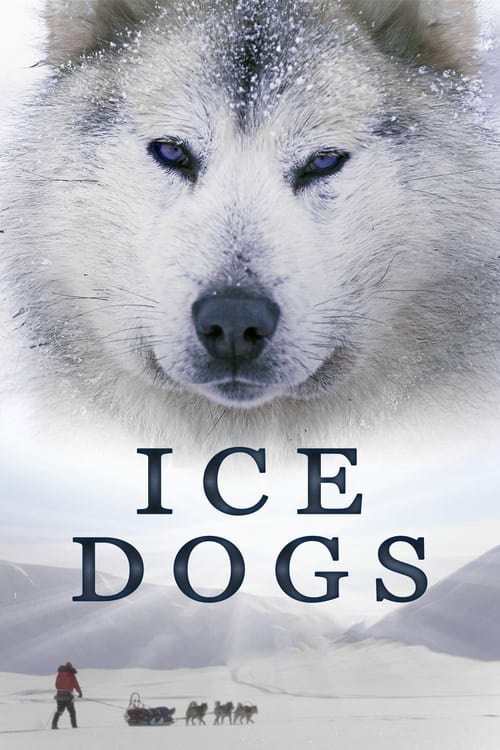
The Arctic is accessible to man only because of ice dogs. As hunters, haulers, and guardians, they have been our vital link to nature for thousands of years. Dogs led the Sarqaq people out of Siberia and, a millennium later, led explorers to the North Pole. As the light returns to Greenland, we arrive in Scoresbysund with a troop of the only companions worth having in this harsh environment.
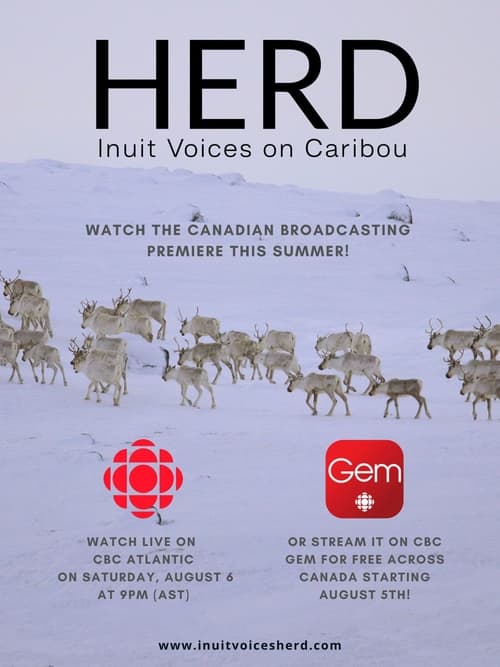
Through Inuit voices, HERD: Inuit Voices on Caribou tells the story of the social, emotional, and cultural disruptions from ecological change by putting an essential human face to the caribou declines - including a 99% decline of the once-massive George River Caribou Herd. The film was developed over four years of collaboration between filmmakers and 11 Inuit communities across Labrador. It cinematically explores an array of lived experiences, from youth to Elders and hunters to cooks, to ensure that the stories of those living on the frontlines of this ecological crisis are HERD. It is a portrait of the deep connections that exist between humans and non-humans, a glimpse of heartbreaking loss felt by entire communities, and a lasting testament of cultural resilience in the context of ecological uncertainty.