Loading titles…
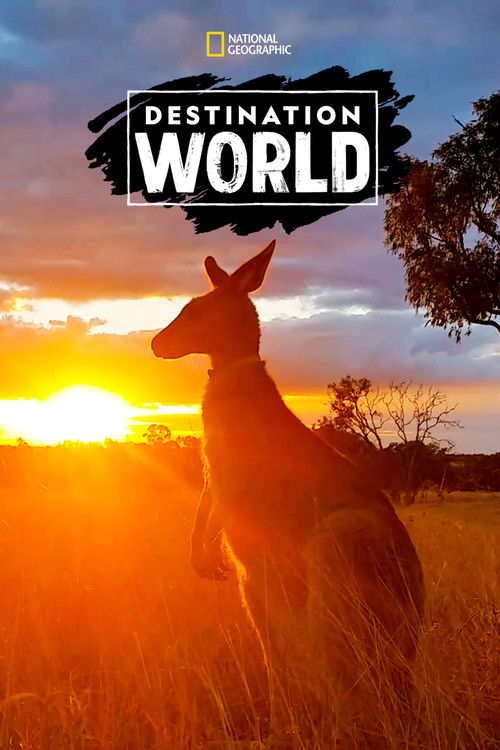

Experience the hottest of the seven continents on this episode of “Destination World.” Africa is home to some of the most famous animals in the world
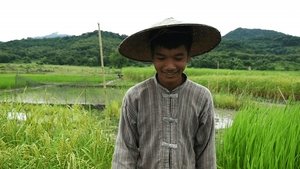
Experience the largest of the seven continents on this episode of “Destination World.” Not only does Asia take up one-third of the Earth, it’s also home to the most people.

Experience the only continent that’s an island on this episode of “Destination World.” Australia, also known as the Land Down Under, has some of the most unique wildlife in the world.
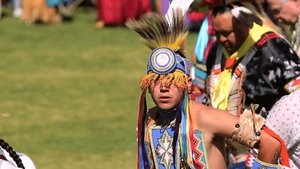
Experience the continent with the most diverse environments in this episode of “Destination World.” North America stretches from the polar Arctic to the tropical Caribbean, and you’ll find almost all major habitats on this continent.

Exploring the continent that's all about natural extremes.

Exploring Europe.

Exploring the coldest continent.
Narrator
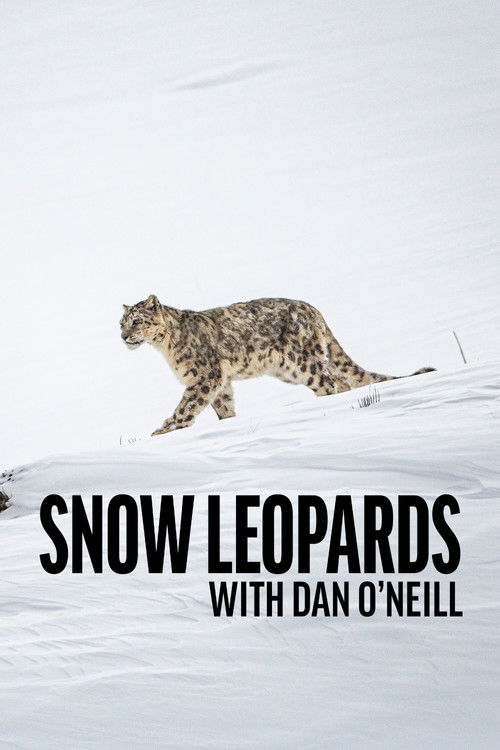
Biologist and naturalist Dan O'Neill embarks on a groundbreaking mission to protect one of the world's most elusive creatures—the snow leopard. Set against the stunning backdrop of Kyrgyzstan's rugged mountains, this two-part adventure follows Dan as he works to build a new research center dedicated to studying these majestic cats.
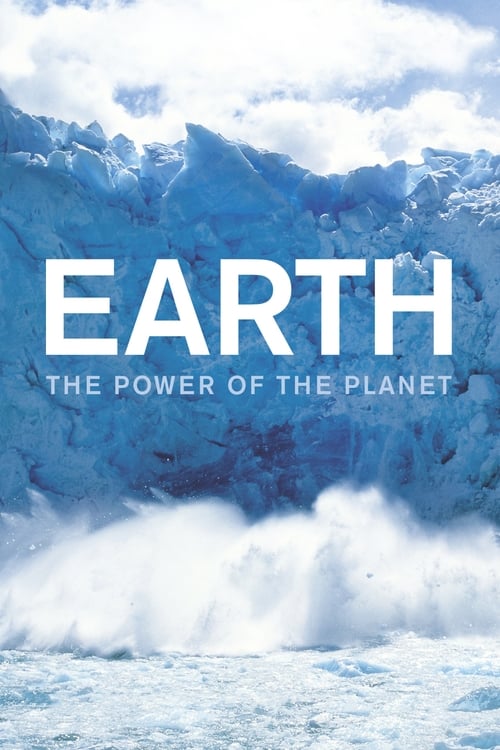
In each episode, geologist Dr. Iain Stewart explains the effects and importance of a specific force of nature, such as wind or volcanism. He also examines the various ways in which it shapes planet earth itself and influences life on it, often in conjunction with other natural forces, and sometimes with lifeforms, as in the 'apocalyptically' grave case of global warming.

Continuing the compelling saga of the heartstring-tugging, dramatic tale of survival revolving around three families of meerkats who are descendants of the legendary meerkat matriarch, Flower. Neighbors and rivals who share a bloodline are forced to compete for food and resources in an environment that is undergoing a great deal of change: the Kalahari Desert in South Africa.

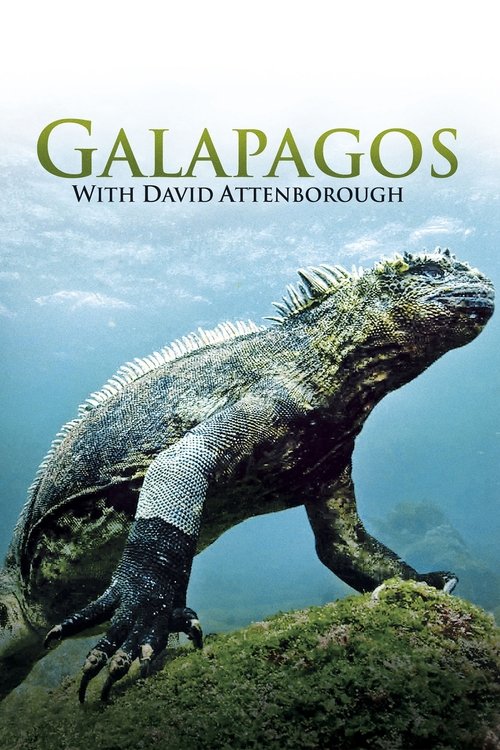
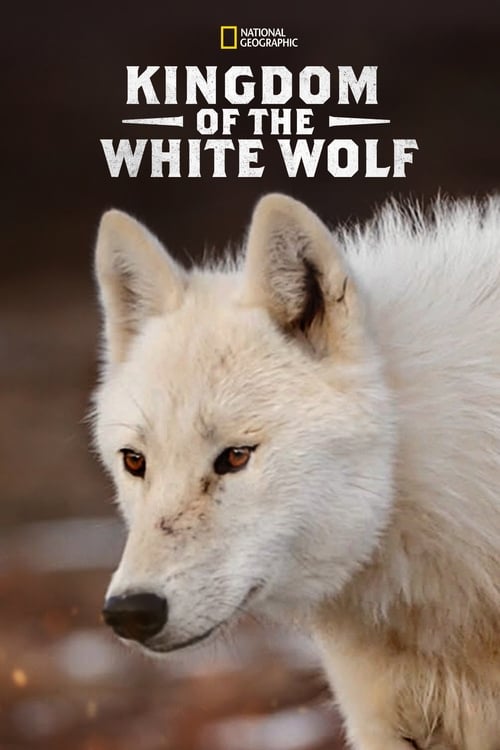
Ronan Donovan, our expert guide and National Geographic photographer, takes the audience on an intimate exploration of the Arctic during the endless day of the summer months, giving insight to the unexpected abundance of the 'Garden of the Arctic' in Wolf Valley as he attempts to embed with a wolf family pack.
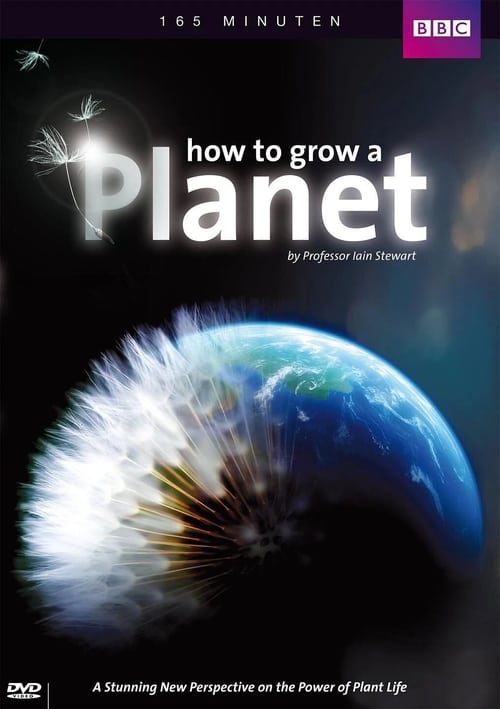
Geologist Iain Stewart explain in three stages of natural history the crucial interaction of our very planet's physiology and its unique wildlife. Biological evolution is largely driven bu adaptation to conditions such as climate, soil and irrigation, but biotopes were also shaped by wildlife changing earth's surface and climate significantly, even disregarding human activity.