Loading titles…
Documentary
Georgios Babiniotis, professor of linguistics at the University of Athens, explains and comments on words and common linguistic mistakes, helping us to use the Greek language more correctly.

No synopsis available.
No synopsis available.
No synopsis available.
No synopsis available.
No synopsis available.
No synopsis available.
No synopsis available.
No synopsis available.
No synopsis available.
No synopsis available.
No synopsis available.
No synopsis available.
No synopsis available.
No synopsis available.
No synopsis available.
No synopsis available.
No synopsis available.
No synopsis available.
No synopsis available.
No synopsis available.
No synopsis available.
No synopsis available.
No synopsis available.
No synopsis available.
No synopsis available.
No synopsis available.
No synopsis available.
No synopsis available.
No synopsis available.
No synopsis available.
No synopsis available.
No synopsis available.
No synopsis available.
No synopsis available.
No synopsis available.
No synopsis available.
No synopsis available.
No synopsis available.
No synopsis available.
No synopsis available.
No synopsis available.
No synopsis available.
No synopsis available.
No synopsis available.
No synopsis available.
No synopsis available.
No synopsis available.
No synopsis available.
No synopsis available.
No synopsis available.

Self

Destinos: An Introduction to Spanish, also known simply as Destinos, is an educational television program created by Bill VanPatten, who was, at the time, Professor of Spanish and Second Language Acquisition at the University of Illinois at Urbana Champaign. The show, designed to introduce viewers to the basics of Spanish, had two seasons, beginning in 1992. Its 52 episodes are often used for educational purposes in schools and are still broadcast regularly on many PBS stations, as well as many local channels. Destinos was produced by WGBH Boston and funded by the Annenberg/CPB Project, with additional funding by the Geraldine R. Dodge Foundation.
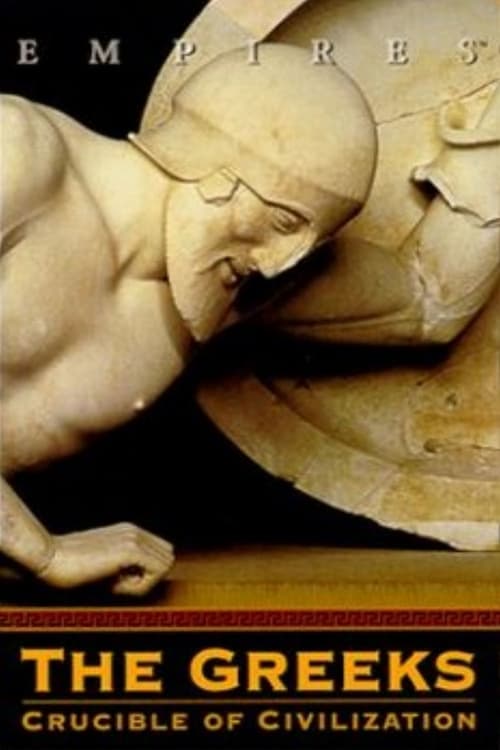
In the fourth and fifth centuries, B.C., the Greeks built an empire that stretched across the Mediterranean from Asia to Spain. They laid the foundation of modern science, politics, warfare and philosophy, and produced some of the most breathtaking art and architecture the world has ever seen. It was perhaps the most spectacular flourishing of imagination and achievement in recorded history.



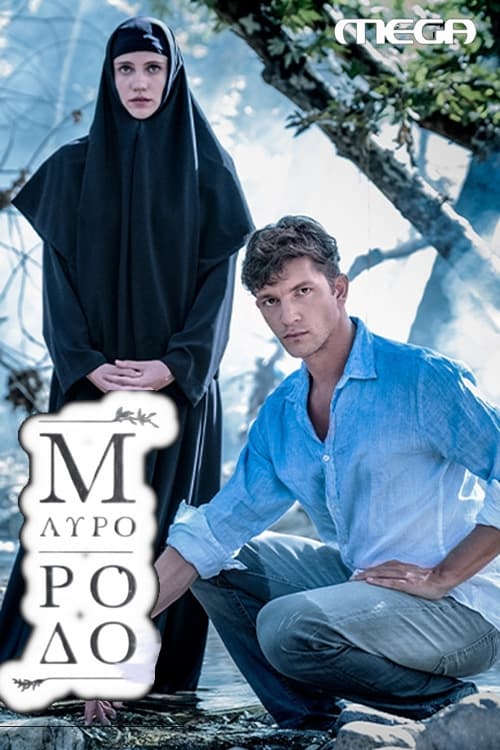
Indeed, in the new series of MEGA "Black Rose" we will see several changes in the case, regarding the book. At the center of our story will be Sister Elizabeth, who has dedicated her life to God. As a child she had contracted meningitis and her parents sent her to Panagia, as a result, when the girl recovered, they urged her to follow the monastic life.After a big earthquake, the monastery shows cracks and huge damages. The abbess asks Sister Elisabeth, who is still a probationary nun, to go to her village outside Ioannina for a while until the damage is repaired. There, Sister Elizabeth will attend the party organized by her step-sister and meet the young man who will steal her heart. He, completely in love with her, will chase her to the monastery. This love will put the nun in a dilemma: Should she follow her heart and fall in love or remain in the choice of monastic life?