
Loading titles…
Documentary
Explores the scientific, social, economic and environmental consequences of supposedly time-saving inventions, ideas and objects. Throughout a lifetime, the minutes that are actually lost or saved can add up to days, weeks, months or even years.

At any given moment there are about 18,000,000 elevators operating around the world. They’re the backbone of the modern city and have quite literally shaped the world in which we live. But have you ever given any thought to just how much time they’re actually saving you? Or maybe even costing you?

Since the beginning of time, humanity has been on a quest to go further and get there faster. Over time, roads have evolved from the footpath to the high speed limited access highway. Today we take them for granted, but have you ever given any thought to whether they’re really saving us any time?

Over a lifetime, many of us spend hours, days, weeks, and even months in their covered, climate-controlled, everything-under-one roofs. Shopping malls didn’t only change the way we shop, they changed the way we think about shopping. And for better or worse, they changed the way we spend time.
The invention of the sealable plastic container in 1946 changed the way we shop for food, the way we cook, and the way we eat. They allow us to eat on the move, prep in advance, and reduce food waste. But somewhere along the way, did they also contribute to an expectation of hyper-productivity?

Discovered by accident in 1946, the microwave oven revolutionized kitchens and today is one of the most ubiquitous household appliances in the world. But the technology behind it is about so much more than popping popcorn.

Originally invented to save lives, the disposable cup would become an international symbol of busyness, a must-have multitasking accessory. But is it all an illusion? Do these single-use cups actually save us any time?

The barcode shortened check-out times, advanced the global supply chain, accelerated next-day delivery, and made same-day delivery possible. They’re scanned some 6 billion times a day around the world and counting.

It’s responsible for nightly fights around the world; to pre-rinse or not? Whose turn to load? Knives up or down? But the dishwasher also saves you about 230 hours a year, is kinder on your wallet and on the environment.
No cast information available.

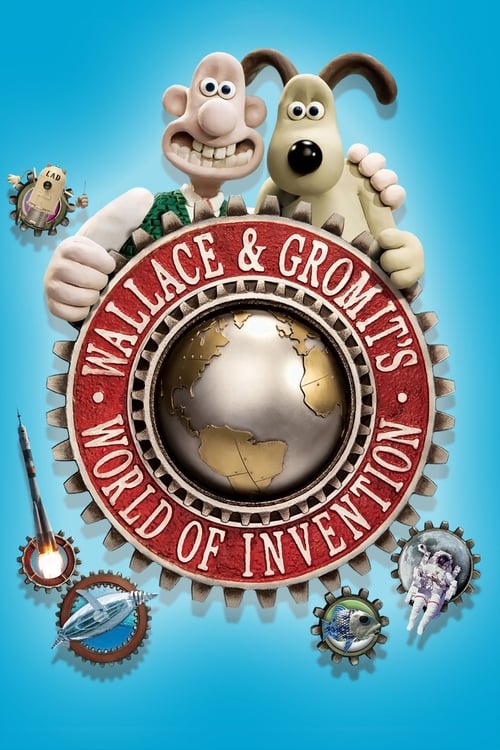
In the series, "Wallace will take a light hearted and humorous look at the real-life inventors, contraptions, gadgets and inventions, with the silent help of Gromit. The series aims to inspire a whole new generation of innovative minds by showing them real, but mind-boggling, machines and inventions from around the world that have influenced his illustrious inventing career" (the BBC press statement). Peter Sallis reprised his role as the voice of Wallace. The filmed inserts are mostly narrated by Ashley Jensen, with one in each episode presented in-vision by Jem Stansfield. John Sparkes also voices a portion in the unseen character of archivist Goronwy.

Climate change is real. It’s happening now. Big policy, implemented properly and urgently, is needed to change our world … but some people are quietly doing amazing things to make our island a better place. Heated tells their stories. Heated is a new 6-part series on RTÉ One and RTÉ Player dealing with climate change.
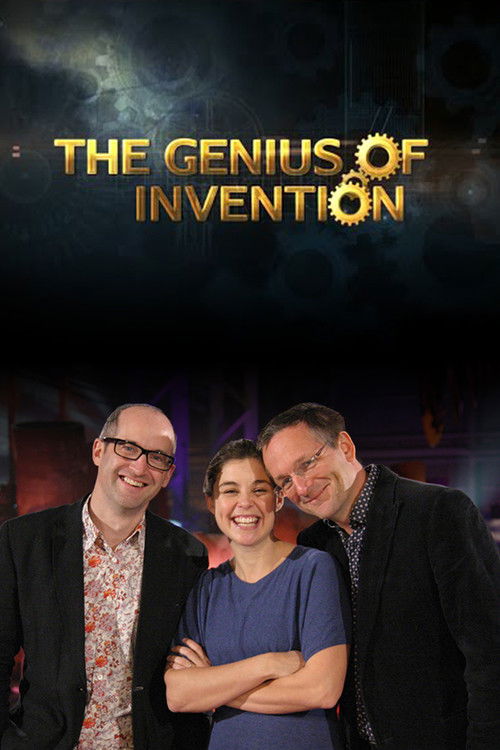
Every time we switch on a light or boil a kettle we rely on power - but most people don't stop to think about the inventions and discoveries that allow us to live the way we do. In an exciting new four-part series for BBC Two, The Genius of Invention reveals the fascinating chain of events behind inventions that make everyday life possible.

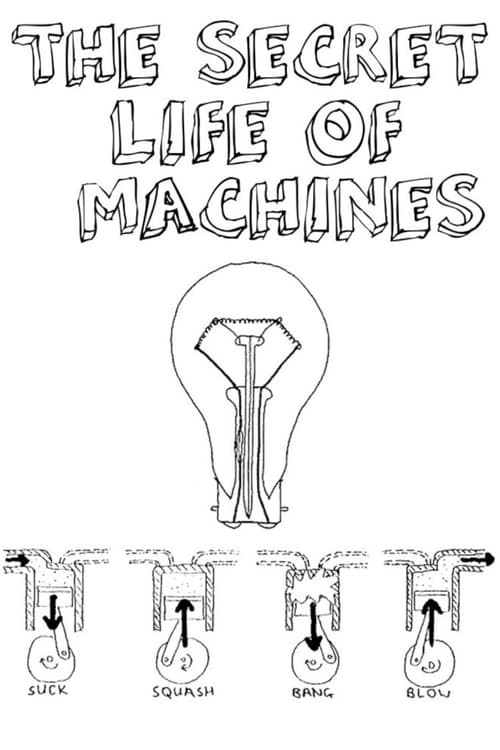
The Secret Life of Machines is an educational television series presented by Tim Hunkin and Rex Garrod, in which the two explain the inner workings and history of common household and office machinery. According to Hunkin, the show's creator, the programme was developed from his comic strip The Rudiments of Wisdom, which he researched and drew for the Observer newspaper over a period of 14 years. Three separate groupings of the broadcast were produced and originally shown between 1988 and 1993 on Channel 4 in the United Kingdom, with the production subsequently airing on The Learning Channel and the Discovery Channel.
HISTORY’s longest-running series moves to H2. Modern Marvels celebrates the ingenuity, invention and imagination found in the world around us. From commonplace items like ink and coffee to architectural masterpieces and engineering disasters, the hit series goes beyond the basics to provide insight and history into things we wonder about and that impact our lives. This series tells fascinating stories of the doers, the dreamers and sometime-schemers that create everyday items, technological breakthroughs and manmade wonders. The hit series goes deep to explore the leading edge of human inspiration and ambition.