Loading titles…
Documentary
Each episode, he encounters an elite group of five animals each of which senses the world in a very different way. By understanding their needs, problems and histories on these islands, Chris reveals what they make of modern Britain - and its humans.
Chris looks at freshwater animals. In the Highlands, Chris witnesses a fabulous fishing display by ospreys and, in Poole Harbour, learns how to tempt them to nest much further south. He investigates what white faced darter dragonflies, black water voles and brown trout can tell us about the changing nature of our waterways. And he discovers the grisly truth behind why beavers became extinct here, some 400 years ago.
Chris looks at grassland animals. Chris burrows into the grassland himself so that he can observe the eating habits of starlings, clever and well-adapted grassland predators. British starlings have had their ups and downs: they were once so common that they famously stopped Big Ben due to numbers perching on the clock hands, but nowadays their food supply is dwindling, thanks to modern pesticides.
Chris looks at woodland animals. Chris meets our top woodland predator, the goshawk. With the use of high speed photography, Chris demonstrates how these impressive raptors twist and turn in flight to negotiate dense thicket, something which could account for the forests that they like to inhabit in Britain. Chris also meets the hedgehog, the animal that gets the best national health service after humans; and the fallow deer, an animal that has been so pampered through history that it has sometimes been treated better than its human neighbours. Chris discovers that stag beetles rarely move beyond the M25 when looking for a home - a nice piece of rotting wood to live in. And he meets a man who is so determined to make Britain a better home for the red squirrel, that he wants the rest of us to eat the grey ones.
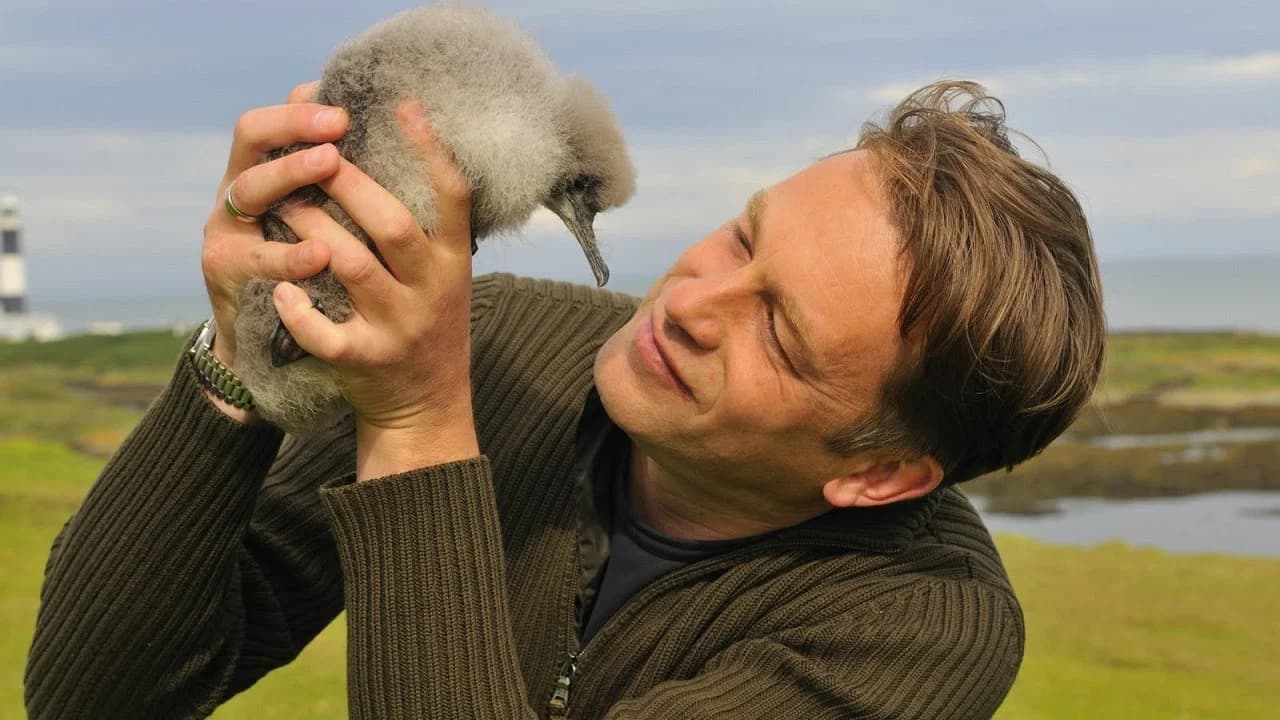
Chris investigates why the waters and coastlines of the UK are the most popular places in the world for two of our coastal species: the grey seal and the Manx shearwater. He also makes a stand for an animal that he considers much misunderstood - the British gull. And he meets two animals which have truly extraordinary ways of sensing Britain's coastal environments - the shore crab which finds its way around by smelling through its feet, and the bottlenose dolphin which can identify a fish at 200 paces in the pitch black, using echolocation.

Self - Presenter
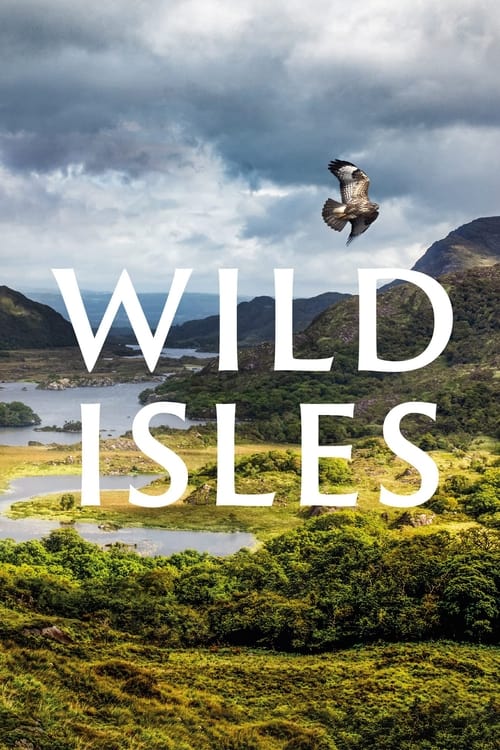
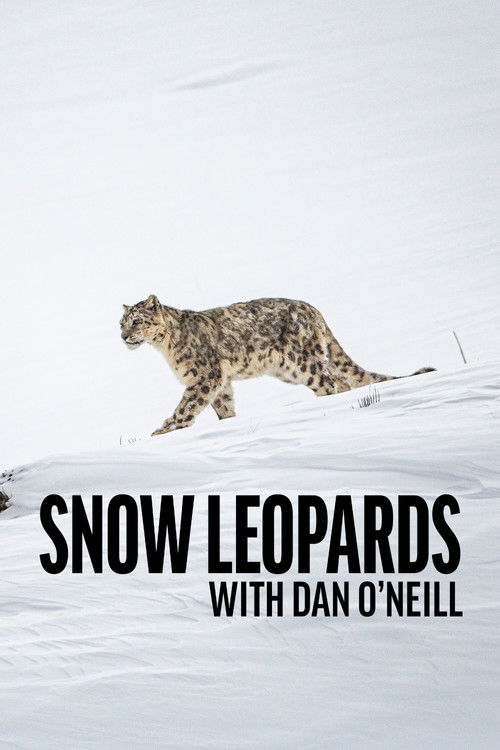
Biologist and naturalist Dan O'Neill embarks on a groundbreaking mission to protect one of the world's most elusive creatures—the snow leopard. Set against the stunning backdrop of Kyrgyzstan's rugged mountains, this two-part adventure follows Dan as he works to build a new research center dedicated to studying these majestic cats.

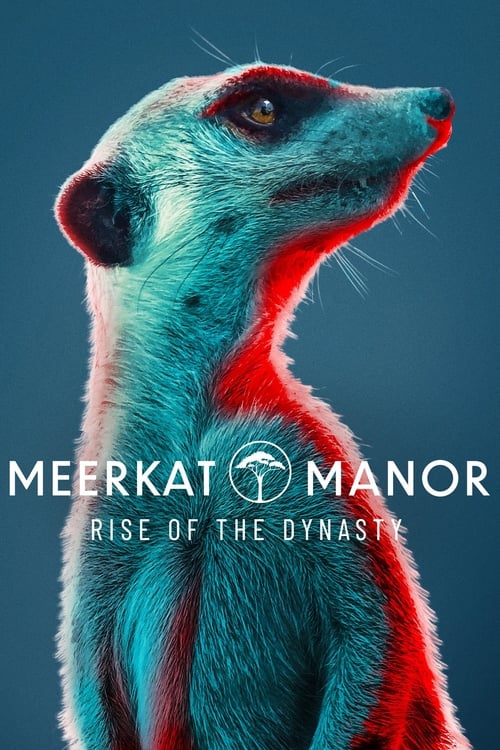
Continuing the compelling saga of the heartstring-tugging, dramatic tale of survival revolving around three families of meerkats who are descendants of the legendary meerkat matriarch, Flower. Neighbors and rivals who share a bloodline are forced to compete for food and resources in an environment that is undergoing a great deal of change: the Kalahari Desert in South Africa.
Geologist Iain Stewart explain in three stages of natural history the crucial interaction of our very planet's physiology and its unique wildlife. Biological evolution is largely driven bu adaptation to conditions such as climate, soil and irrigation, but biotopes were also shaped by wildlife changing earth's surface and climate significantly, even disregarding human activity.
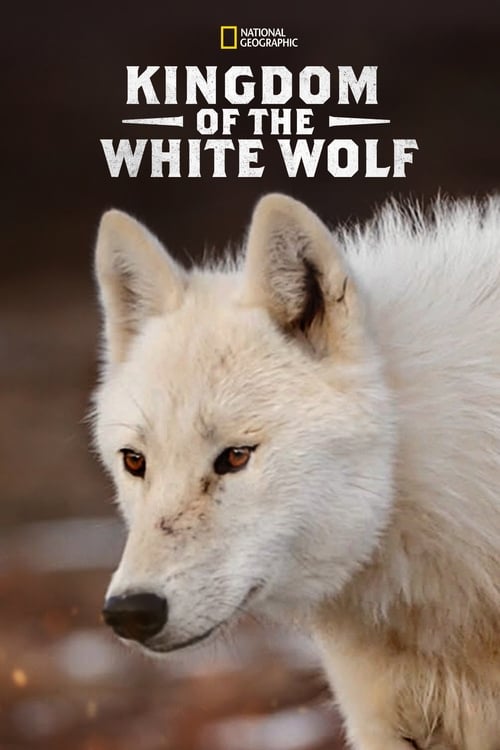
Ronan Donovan, our expert guide and National Geographic photographer, takes the audience on an intimate exploration of the Arctic during the endless day of the summer months, giving insight to the unexpected abundance of the 'Garden of the Arctic' in Wolf Valley as he attempts to embed with a wolf family pack.