Loading titles…
Documentary / Drama / Crime
On April 26, 1986 Reactor 4 of the Chornobyl Nuclear Power Plant exploded, releasing clouds of radioactive fallout into the atmosphere. With access to hundreds of declassified KGB documents, Chernobyl: The New Evidence reveals the serious concerns of the KGB, the sacrifices the…

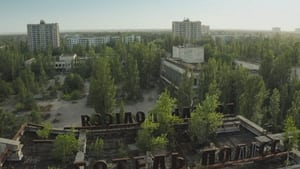
Newly declassified evidence from KGB archives reveals that the KGB had concerns about the safety of the Chernobyl nuclear plant even as it was being built
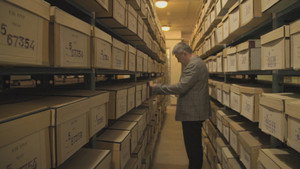
Including first-hand accounts from survivors, including Oleksiy Ananenko, who braved radioactive waters to prevent a second explosion, and Maryna Sivets, whose unborn child's life was put at risk
No cast information available.
West Germany, 1987. The politician Uwe Barschel (1944-87), member of the Christian Democratic Union party and Minister-President of the Schleswig-Holstein region, is found dead in very sinister circumstances. Reporter David Burger pledges to find the truth behind one of the most important political scandals in German history, investigating countless speculations and conspiracy theories as he fights his own personal demons.
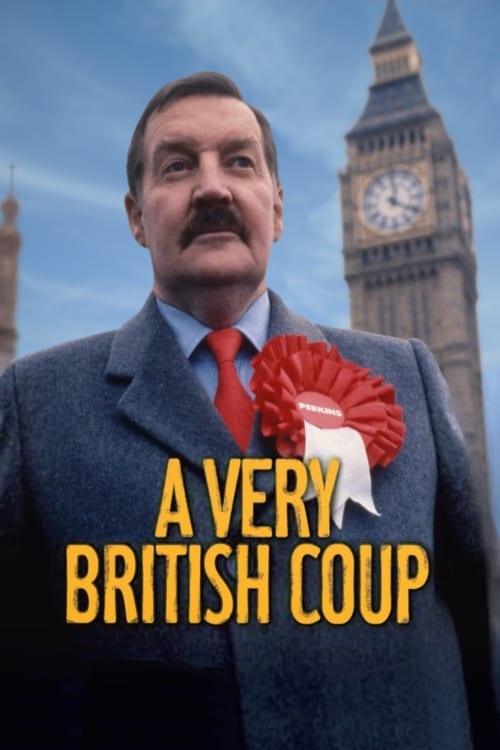
Working-class, left-leaning Harry Perkins is elected PM. As he works to implement social change via democratic process, the conservatives and their allies quietly begin working to remove him. Perkins' goals include nuclear disarmament, the dissolution of newspaper monopolies, open government and the closure of all US military bases on UK soil. While many members of the govnerment oppose him, he finds some support in Home Secretary Joan Cook and key members of his staff.
Four Corners is Australia's longest-running investigative journalism/current affairs television program. Broadcast on ABC1 in Australia, it premiered on 19 August 1961 and celebrated its 60th anniversary in 2021. Founding producer Robert Raymond and his successor Allan Ashbolt did much to set the ongoing tone of the program. Based on the Panorama concept, the program addresses a single issue in depth each week, showing either a locally produced program or a relevant documentary from overseas. The program has won many awards for investigative journalism, and broken many high-profile stories. A notable early example of this was the show's epoch-making 1962 exposé on the appalling living conditions endured by many Aboriginal Australians living in rural New South Wales.
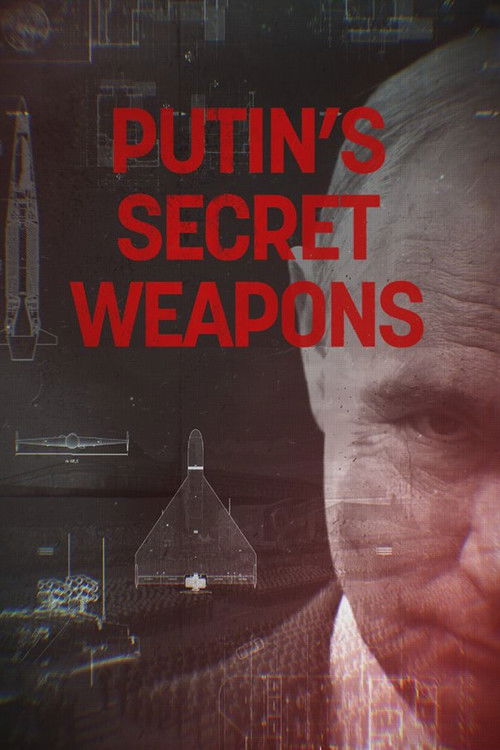
The Russian army has no shortage of weapons despite sanctions: With an arsenal mixing old Soviet stocks and modern hypersonic weapons, the country could strike Europe in minutes. An opaque network of spies, shell companies and oligarchs ensures its war capacity through the arms trade, technology theft and state-organized policy of terror.


Inspired by multiple true cases of false accusations, Elpis follows Ena Asakawa (Masami Nagasawa), a former network anchor whose star has faded due to scandal and now helms a late-night, less-formal magazine show. There an under-rated and rookie director Takuro Kishimoto (Gordon Maeda) begins to doubt a death row conviction which, together with Asakawa, make-up artist Cherry (Toko Miura) and star reporter Shouichi Saito (Ryohei Suzuki), they investigate and unravel as a state-wide conspiracy and cover up.