Loading titles…
Documentary
In Situation Critical, we explore the unfolding action and the real people thrust into survivor mode by some of the most dramatic events in modern history. This fast-paced series takes you inside the seemingly stable events that became headline disasters in a matter of minutes.…
One of the most dramatic police gun battles ever waged on American soil took place in Hollywood in 1997. Go inside the violent stand-off as the bandits fire over 1,100 rounds of ammunition and shoot nine police officers and two civilians.
In 2001 Afghanistan, at the start of the war on terror, a pro-American Afghan army double-crossed and imprisoned Taliban fighters. A violent uprising begins when the Taliban fighters overpower their guards, seize weapons and open fire.
In war-torn Sierra Leone in 2000, thousands of armed rebels lived in the jungle. When members of the Royal Irish Rangers were ambushed and taken hostage, the British government launched a risky and grueling rescue mission.
Two days after Apollo 13's launch, an oxygen tank on board burst and the situation became perilous—200,000 miles (321,868 kilometers) above Earth. Personal accounts bring one of the most famous space rescues in history to life.
In 1995, U.S. Air Force Cpt. O'Grady was patrolling the skies above war-torn Bosnia when a Serb missile hit his fighter jet. Upon impact, O'Grady was safely ejected, but his parachute sailed into hostile territory and gunmen were on his trail.
The 54th Sydney to Hobart yacht race turned into one of the worst sporting disasters in history. Almost 100 vessels faced brutal 90-mph winds and towering 60-foot waves. Hell on High Water revisits the tragedy and analyzes the ferocious storm that left six sailors dead.
In the 1980s and 1990s, Pablo Escobar made billions as one of the world's biggest drug dealers. The U.S. backed a massive manhunt to bring Escobar to justice. Retrace the effort to assassinate the most feared man in Columbia.
On October 23, 2002, a group of rebel terrorists enter Moscow's Dubrovka Theater. Russian officials struggle to save the hostages without surrendering to terrorist demands. Hear firsthand survivor accounts and find out how a secret weapon ended the perilous standoff.
On June 27th, 1976 a routine flight from Israel to Paris carrying 258 passengers becomes the target for a gang of International terrorists. With the lives of so many hanging in the balance the world watches breathlessly, waiting to see how the story will unfold.
A Russian Navy mini-submarine is on a secret mission in North Pacific. In the gloom, hundreds of feet below the surface, it accidentally becomes entangled in a discarded fishing net. A desperate race against time begins. Will the rescuers find the trapped crew dead or alive?
In March, 2002, Navy SEAL Neil Roberts prepares for a nighttime mission in Afghanistan as part of Operation Anaconda. Robert's Special Forces unit prepares to fly deep into enemy territory. Outgunned and outnumbered, they face a desperate struggle for survival.
On July 24, 2002, a routine mining excursion in Somerset, Pa., goes terribly wrong when a miner accidentally drills into an abandoned mine. Sixty million gallons of water is unleashed onto the miner and 17 of his co-workers. The situation turns critical as the men struggle to escape the floodwater. Nine are able to make their way out quickly, but the others are stranded and must fight the rising water level for more than 70 hours. Follow along as NGC breaks down the amazing story of survival.
In May, 2002, nine climbers tumble into a gaping crevasse in Mt. Hood, Oregon. As one man crashes into another on the slopes, three are killed instantly. A rescue helicopter approaches but loses power in thin air, crashing into the ground. Now both climbers and rescuers need help.
Narrator
Narrator (US)
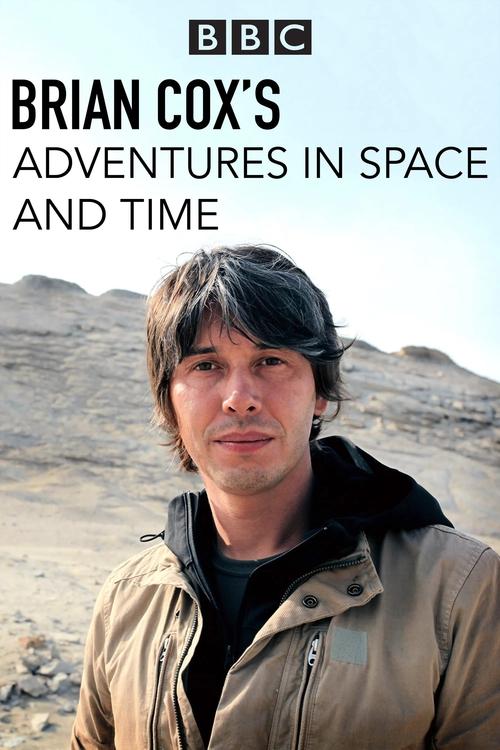
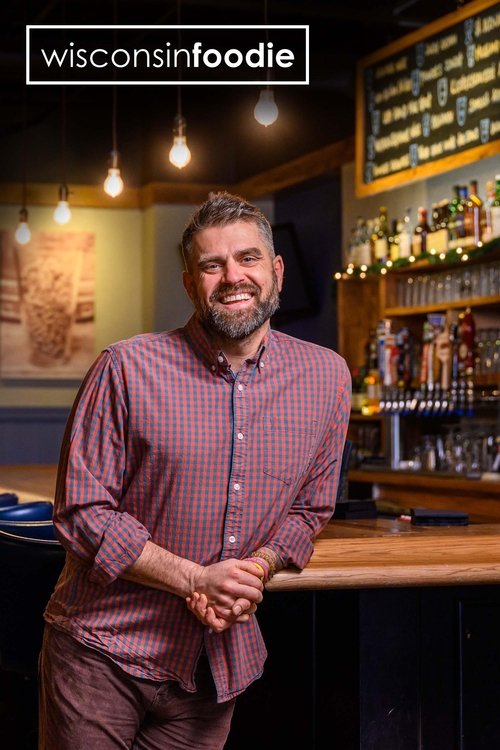
A weekly Emmy-nominated television program dedicated to educating, entertaining and connecting the community to the engaging stories and people behind their food by profiling local food treasures and highlighting the passionate and hardworking individuals responsible for the burgeoning “Good Food Movement.”
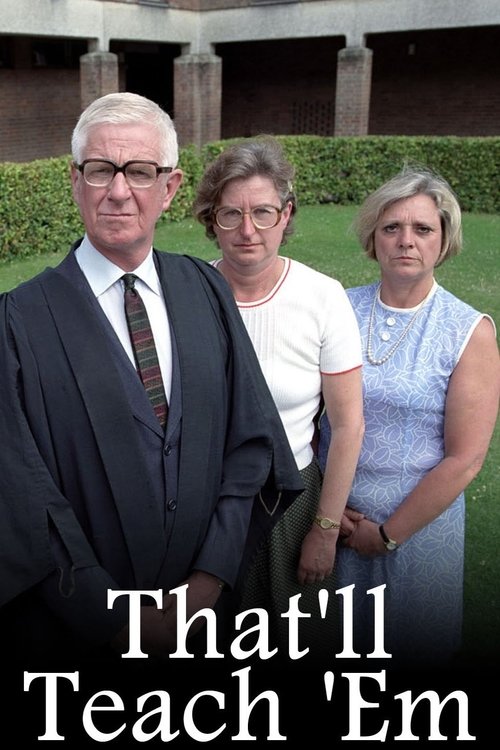
That'll Teach 'Em is a British reality television documentary series produced by Twenty Twenty Television for the Channel 4 network in the United Kingdom. Each series follows around 30 teenage students as they are taken back to a 1950s/1960s style British boarding school. The show sets out to analyse whether the standards that were integral to the school life of the time helped to produce better exam results, to the current GCSE results and to compare certain contemporary educational methods with modern ones. As part of the experience, the participants are expected to board at a traditional school house, abiding by strict discipline, adopting to 1950s diet and following a strict uniform dress code. After four weeks, the students then take their final exams, produced to the same standard as contemporary GCE O Levels. There were three series of the show, the first airing in 2003, the second in 2004 and the third and final series in 2006.

This newsmagazine series investigates intriguing crime and justice cases that touch on all aspects of the human experience. Over its long run, the show has helped exonerate wrongly convicted people, driven the reopening — and resolution — of cold cases, and changed numerous lives. CBS News correspondents offer an in-depth look into each story, with the emphasis on solving the mystery at its heart.
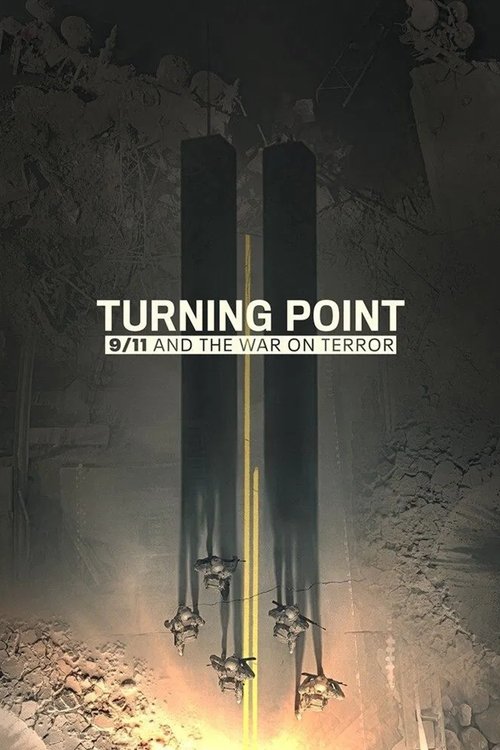
Modern history can be divided into two time frames: before 9/11 and after 9/11. This five-part docuseries is a cohesive chronicle of the September 11, 2001 attacks on the U.S., offering illuminating perspectives and personal stories of how the catastrophic events of that day changed the course of the nation.

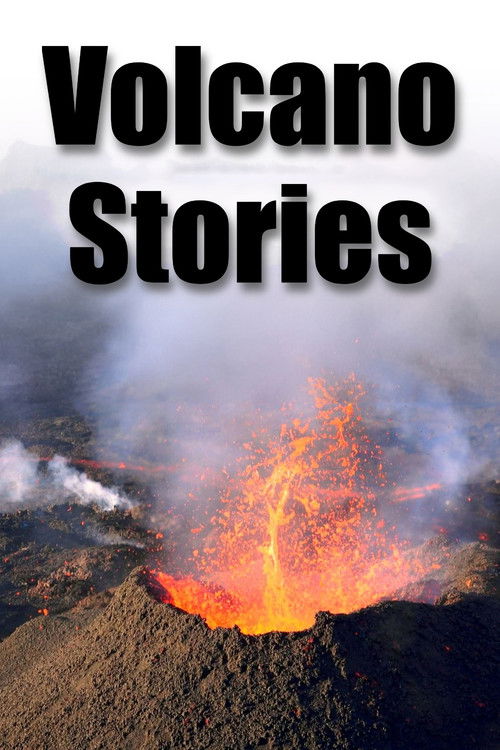
No two volcanoes are alike; each one has its own distinctive landscape, climate, and geological context. Just as unique are the people we meet along the way who help us comprehend how greatly our planet – and our lives – have been shaped by volcanic phenomena. For the scientific aspect of each episode, we explore the very diverse range of questions raised by volcanic phenomena in such varied fields as earth sciences, climatology, biodiversity, oceanography, geography, agronomics, and archaeology. The cultural part of the show delves into mythology, religion, philosophy, folk and artistic traditions, cooking, and ways of life.