


Loading titles…
Documentary
A documentary about drugs and their influence in the second half of the 20th century.

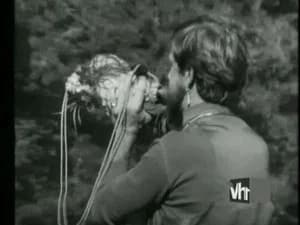
From the breakthrough, heroin-laced sounds of Charlie Parker, to the "bop prosody" of Jack Kerouac and Allen Ginsberg, to the "tune in, turn on, drop out" psychedelic mantra of Timothy Leary, and the communal "acid tests" of Ken Kesey and the Merry Pranksters. and finally to the explosion of creativity and social change in San Francisco's Haight Ashbury in the mid-'60s.
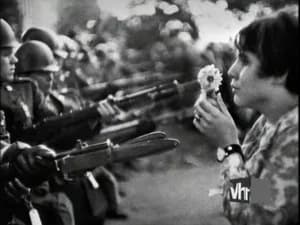
The counterculture is co-opted by mainstream media and the psychedelic experience is bought and sold by Madison Avenue and Hollywood in films like The Trip and Easy Rider. The popularity of drugs is the establishment's worst nightmare. Shows like Dragnet feature drug storylines that reflect the system's worst fears about drug use. Meanwhile drugs are fueling a political upheaval and a violent backlash by the government. The utopian vision of the 1960s seems to crumble when a string of events-Altamont, the Manson murders, and the deaths of three rock and roll icons, Jim Morrison, Janis Joplin, and Jimi Hendrix-make the dark side of drug use painfully clear.

If the 1960s were about expanding the mind, the 1970s, in the words of gonzo journalist Hunter S. Thompson, would be about getting "stoned, ripped, twisted." It was the golden age of pot - with swashbuckling smugglers, the popularity of High Times magazine, and a new era of drug humor exemplified by Cheech and Chong. By 1976, marijuana was on the brink of acceptance, with legalization advocates actually writing speeches for President Carter. Cocaine made its debut among the elite, and the Studio 54 era was ushered in. But the psychedelic prophets of the mid-`60s never imagined what their legacy would become: high school kids getting stoned and going to the mall. With groups like "Nosy Parents Association" writing policy pamphlets and Reagan vying for the presidency, the tide started to turn, and the juggernaut that would become the drug war was set into motion.

Just Say No! traces America's growing drug use in the '80s and '90s: the loss of cocaine's "innocence," the Less Than Zero generation, the media firestorm over crack cocaine and how the hip-hop community dealt with it; celebrity rehab and the growing recovery movement; rave culture, ecstasy, and the reprise of '60s psychedelics; and America's ever escalating war on drugs. Finally, Episode 4 asks the hard questions: How did this happen? What have we learned? What should we do? What impact have drugs had on pop culture? On society? Is it even realistic to have a drug-free country?
No cast information available.


Examines the dawn of the comic book genre and its powerful legacy, as well as the evolution of the characters who leapt from the pages over the last 75 years and their ongoing worldwide cultural impact. It chronicles how these disposable diversions were subject to intense government scrutiny for their influence on American children and how they were created in large part by the children of immigrants whose fierce loyalty to a new homeland laid the foundation for a multi-billion-dollar industry that is an influential part of our national identity.


The Earth’s continents are instantly recognizable. These iconic landmasses seem permanent and unchanging, yet they are merely the wreckage of a much larger long-lost supercontinent – Pangaea. In this stunning four part series Professor Iain Stewart uncovers the evidence for this ancient past. He reveals how the world around us is full of clues – in the rocks, the landscapes and even the animals. All of which tell us how the land we live on was created.


