Loading titles…
Documentary
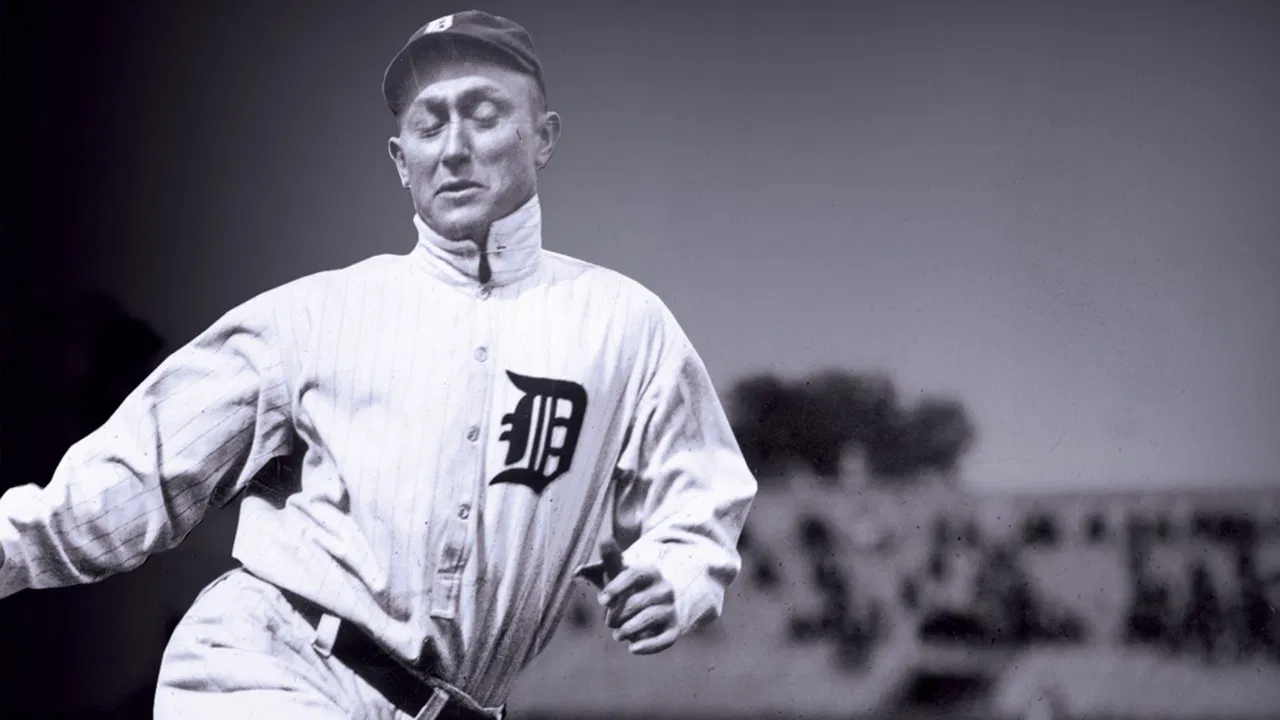
The history of the sport of baseball in America, told through archival photos, film footage, and the words of those who contributed to the game in each era. Writers, historians, players, baseball personnel, and fans review key events and the significance of the game in America's…


In New York City, in the 1840s, people need a diversion from the "railroad pace" at which they work and live. They find it in a game of questionable origins. On June 19th, 1846, at the Elysian Fields in Hoboken, New Jersey, a team of well-dressed gentlemen, the Knickerbockers, play the first game of baseball. By 1856, the game is already being called "the national pastime," or simply, "Our Game." But the nation is about to be torn apart. And, in the midst of the Civil War, there is one thing that Americans North and South have in common: baseball.

It is a decade of revolution. In China, in Central America. At Kitty Hawk. In Henry Ford's factory. And on America's baseball fields. In 1894, a sportswriter named Byron Bancroft "Ban" Johnson takes over a struggling minor league - the Western League - and turns it into a financial success. In 1900, he changes its name to the American League and begins talking about challenging the big city monopoly held by the National League. The revolution takes only three years. In 1903, the first World Series is played between the American League Boston Pilgrims and the National League Pittsburgh Pirates.
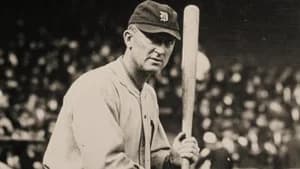
Examine the century's second decade, which was dominated by the Black Sox scandal. George Herman “Babe” Ruth makes his first major league appearance (as a member of the Boston Red Sox) and a wave of immigration helps fill the stands with new fans, eager to “become American” by learning America's game.

This episode concentrates on Babe Ruth, whose phenomenal performance thrilled the nation throughout the 1920s and rescued the game from the scandal of the previous decade.

The story of the Negro Leagues in the 1930s. “Shadow Ball” refers to a common pre-game feature in which the players staged a mock game with an imaginary ball. Though unintended, the pantomime was an apt metaphor for the exclusion of blacks from major league play at that time.

This episode covers the 1940s and includes Joe DiMaggio's celebrated hitting streak, the awe-inspiring performance of Ted Williams and what Burns calls “baseball's finest moment” — the debut of Jackie Robinson, who broke the color barrier as a member of the Brooklyn Dodgers in 1947.

Viewers are taken through the 1950s when New York City had three successful baseball teams and dominated the World Series. By the end of the decade, the Giants and Dodgers had left New York, a signal that the old game was changed forever.

The field is moved to the 1960s. This episode traces the emergence of television, the expansion to new cities and the building of anonymous multipurpose stadiums that robbed the game of its intimacy and some of its urban following.

The final episode looks at baseball from the 1970s to the present, including the establishment of the free agent system, the rise in player salaries, the continued expansion, the dilution of talent, the ongoing battles between labor and management and the scandals.

Narrator (voice)

Self
Self

Self (voice)


MLB Network counts down its version of the 20 greatest games played since about 1950. The network first came up with 50 games and a "blue ribbon panel" -- aided by fan votes -- whittled that to 20. Hosts Bob Costas and Tom Verducci dissect each game, and given the format, with each episode running at least one hour, there's plenty of time to delve into nuances such as pitch selection, defensive alignment, managerial moves and so on. Also making each episode must-see TV for longtime baseball fans is the ex-players and managers who join Costas and Verducci to provide insight. Bucky Dent, for example, talks about his famous home run in the 1978 American League tiebreak game, and Johnny Bench and Fred Lynn reminisce about Game 6 of the 1975 World Series, the No. 1 game on the list.

The Franchise chronicles America's national pastime with a season-long look at the players, coaches and team personnel of a major league baseball team. You'll be right with the team the whole time: during the off-season, at spring training, and along for the rollercoaster ride of the regular season. A remarkable behind-the scenes account of the complex and competitive drama of professional baseball, The Franchise is a grand slam.

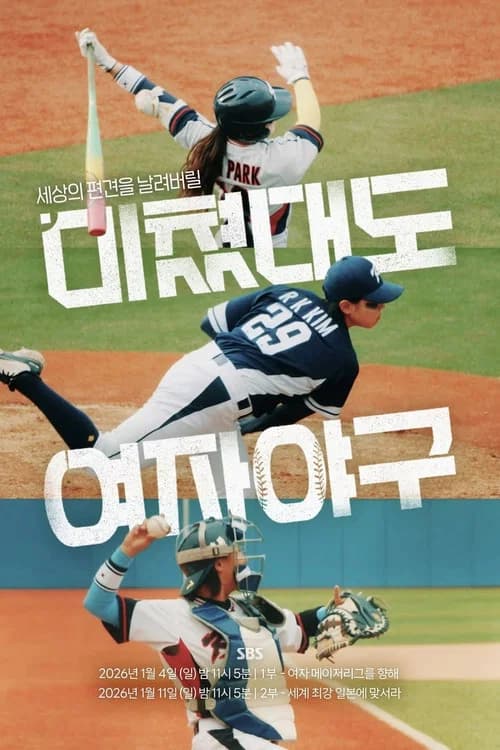
The LG Twins, a professional baseball team based in Seoul, has the largest fan base in Korea's sports history but is also considered an unfortunate team that has not raised a championship trophy for the last 28 years. The jewelry watch prize and the famous Japanese Awamori Soju (a premium alcohol beverage made from rice) that the GM from the 1994 winning team has vowed to present and open have become a legacy that no one has yet witnessed. There's even a painful nickname for LG Twins, "a team destined to fail." However, for the 2022 season, two people from the 1994 winning team have stepped up to change the situation. The pitcher turned GM and the shortstop turned coach are the only people who remember the taste of victory 28 years ago.


This two-part sequel to the 1994 series Baseball continues the story of America's national pastime from the early 1990s to 2010. This transformational period leads off with the 1994 players' strike. Other key developments and milestones include the increasing dominance of Latino and Asian players who truly turn the game international; skyrocketing profits; the Red Sox' historic World Series victory; the astonishing feats of Mark McGwire, Sammy Sosa, and Barry Bonds; and the revelations about performance-enhancing drugs that cast a shadow over many athletic accomplishments.

Jack Roosevelt Robinson rose from humble origins to cross baseball’s color line and become one of the most beloved men in America. A fierce integrationist, Robinson used his immense fame to speak out against the discrimination he saw on and off the field, angering fans, the press, and even teammates who had once celebrated him for “turning the other cheek.” After baseball, he was a widely-read newspaper columnist, divisive political activist and tireless advocate for civil rights, who later struggled to remain relevant as diabetes crippled his body and a new generation of leaders set a more militant course for the civil rights movement.