


Loading titles…
Documentary
When George Lucas set out to make Star Wars, little did he know he would end up revolutionizing an industry. This is the story of a team of creative geniuses who put the magic in the movies we love.


The year is 1975, and George Lucas has a problem. There is no visual effects company in Hollywood capable of realizing the massive vision behind his new film “The Star Wars”. George and camera expert John Dykstra assemble an unlikely team of artists and dreamers for the job, but despite their best efforts and some remarkable new technology, the ILM team falls woefully behind.

When a near fatal wreck thwarts his boyhood dream of racing cars, George Lucas finds success as a filmmaker. He spends his own money on the special effects of an ambitious new “space opera”, but progress is painfully slow. With the help of key new hires, ILM rallies to finish the film on time. Star Wars premieres to worldwide success, yet George remains curiously unsatisfied with the results.

After Star Wars, ILM moves north to a new facility—but not everyone is invited. As work begins on The Empire Strikes Back, the team faces unprecedented new challenges. Frustrated by the available tools, George creates a new division to help modernize filmmaking. Upon the release of Empire, ILM takes on outside work for the first time, setting the stage for a remarkable string of success.

A new partnership with Steven Spielberg results in the memorable effects of Raiders of the Lost Ark, E.T., and more. Meanwhile, the computer graphics group scores its first digital breakthrough. As the 80s blockbuster era rolls in, ILM crews are competing against each other, for both resources and awards. When George makes a fateful business decision, ILM is forced to rebuild on the fly.

ILM enters the digital era as its revamped computer division faces its first big test with Willow. With a new team of rebels arriving at the company eager to push CG to its limits, James Cameron gives them a chance with The Abyss and Terminator 2. But the transition to digital is not without its casualties, as some struggle to adapt. Then Steven Spielberg returns with his greatest challenge yet.

Stop-motion genius Phil Tippett feels like he’s gone extinct when CG unexpectedly takes center stage in Jurassic Park. The watershed moment convinces George Lucas to return to his long-planned Star Wars prequel trilogy and push the technology even further. As digital filmmaking continues to grow and evolve, The Volume proves that the spirit of innovation remains alive and well at ILM.
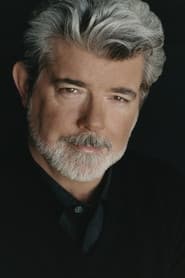
Self
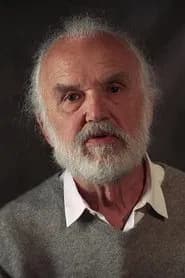
Self

Self

A true-crime series examining the most shocking murder investigations and toughest trials in Texas history - all told with Kelly's unique insight and unparalleled access. As Chief of Special Crimes in the busiest courthouse in the Lone Star state, Kelly Siegler battled to get killers into courtrooms to face their formidable defense attorneys. With her own firsthand accounts, alongside investigators and victims' families, Kelly reveals what really happened beyond the newspaper headlines to bring Texas-style justice.

Nightline, or ABC News Nightline, is a late-night news program that is broadcast by ABC in the United States, and has a franchised formula to other networks and stations elsewhere in the world. Created by Roone Arledge, the program featured Ted Koppel as its main anchor from March 1980 until his retirement from the program in November 2005. Nightline airs weeknights at 12:37 a.m. Eastern Time, after Jimmy Kimmel Live!. It previously ran for 31 minutes, but in 2011, the program was reduced to 25 minutes. When the program moved to 12:37 a.m. ET, the program was expanded to 30 minutes. In 2002, Nightline was ranked 23rd on TV Guide's 50 Greatest TV Shows of All Time.
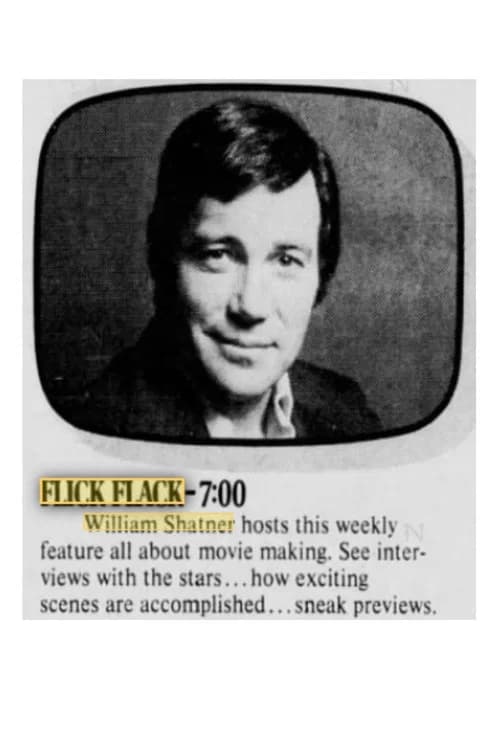
Flick Flack was a Canadian television series broadcast by Global Television Network in 1974. The series featured interviews with motion picture industry personalities combined with excerpts from films. William Shatner was the regular series host. "It was a TV show produced for Canadian TV. A handful of shows that aired every fortnight for a few months in the 70’s." @WilliamShatner · Sep 15, 2020


