Loading titles…
Documentary
MLB Network showcases the greatest calls and moments from iconic Major League Baseball play-by-play broadcasters.
Sounds of Baseball looks at Vin Scully's legendary career calling Dodgers' games from Brooklyn in 1950 and finishing in Los Angeles in 2016
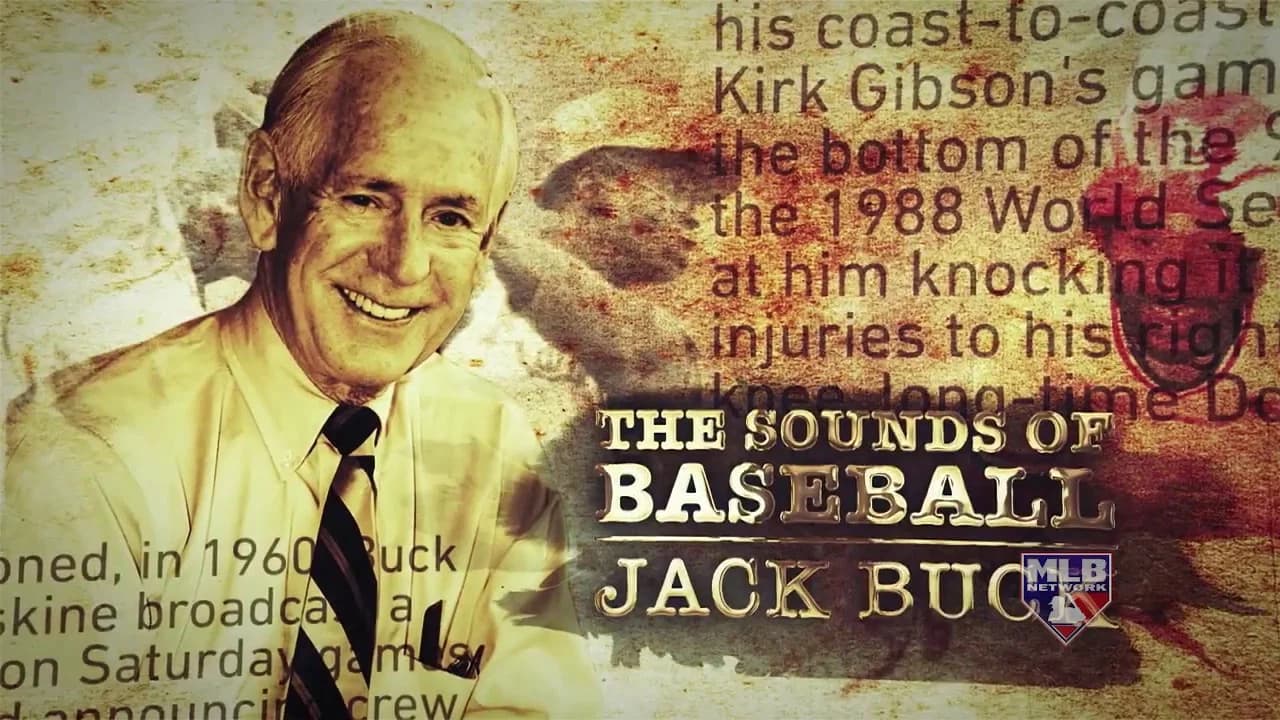
Bob Costas and Tom Verducci look back at one of Jack Buck's greatest calls as part of MLB Network's The Sounds of Baseball series.
Bob Costas and Tom Verducci look back at Bob Uecker's Hall of Fame speech as part of MLB Network's The Sounds of Baseball series.
MLB Network celebrates Al Michaels, one of the most versatile broadcasters in sports history. From the gridiron to the hardwood to the ice, and yes, the baseball diamond.
Hall of Fame broadcaster Joe Garagiola is featured on MLB Network's The Sounds of Baseball, with Bob Costas and Tom Verducci.
Harry Caray is featured on this installment of MLB Network's The Sounds of Baseball.
1984 Ford C. Frick Award winner Curt Gowdy, who was the play-by-play broadcaster of every World Series from 1966-75, is featured on this edition of MLB Network’s The Sounds of Baseball.
He was baseball's first-ever network analyst! Look back on the Hall of Fame broadcasting career of Tony Kubek.
Mel Allen and Red Barber are featured on this edition of MLB Network's The Sounds of Baseball.
Bob Costas and Tom Verducci profile the legendary career of Jon Miller.
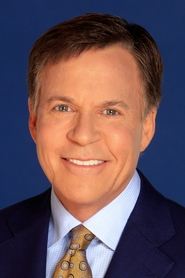
Self - Host
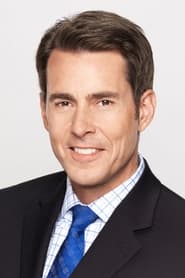
Self - Host
MLB Network counts down its version of the 20 greatest games played since about 1950. The network first came up with 50 games and a "blue ribbon panel" -- aided by fan votes -- whittled that to 20. Hosts Bob Costas and Tom Verducci dissect each game, and given the format, with each episode running at least one hour, there's plenty of time to delve into nuances such as pitch selection, defensive alignment, managerial moves and so on. Also making each episode must-see TV for longtime baseball fans is the ex-players and managers who join Costas and Verducci to provide insight. Bucky Dent, for example, talks about his famous home run in the 1978 American League tiebreak game, and Johnny Bench and Fred Lynn reminisce about Game 6 of the 1975 World Series, the No. 1 game on the list.

The Oddity Archive is a web series that revolves around the "cultural dustbin", especially as it pertains to media. The Archive also functions as an actual archive of sorts, with a modest collection of off-air Betamax and VHS recordings (about 400 total as of June, 2014). There's also a decent collection of ephemeral video, "ripoff" and "drugstore" LP's/cassettes/8-tracks, as well as (working) obsolete technology.
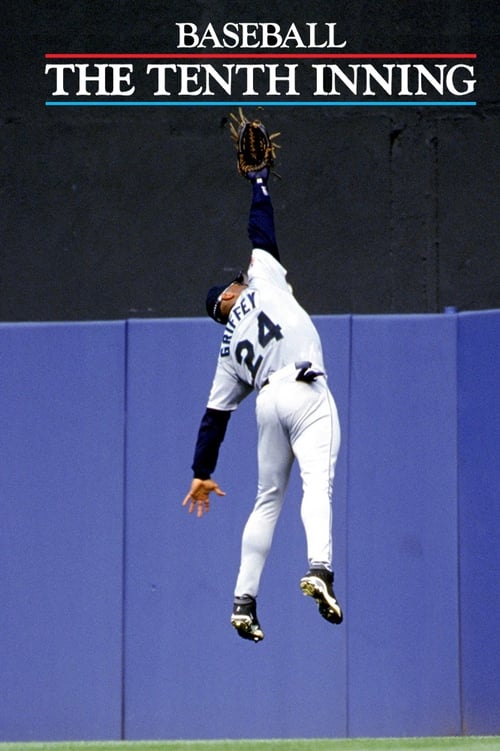
This two-part sequel to the 1994 series Baseball continues the story of America's national pastime from the early 1990s to 2010. This transformational period leads off with the 1994 players' strike. Other key developments and milestones include the increasing dominance of Latino and Asian players who truly turn the game international; skyrocketing profits; the Red Sox' historic World Series victory; the astonishing feats of Mark McGwire, Sammy Sosa, and Barry Bonds; and the revelations about performance-enhancing drugs that cast a shadow over many athletic accomplishments.
The Franchise chronicles America's national pastime with a season-long look at the players, coaches and team personnel of a major league baseball team. You'll be right with the team the whole time: during the off-season, at spring training, and along for the rollercoaster ride of the regular season. A remarkable behind-the scenes account of the complex and competitive drama of professional baseball, The Franchise is a grand slam.
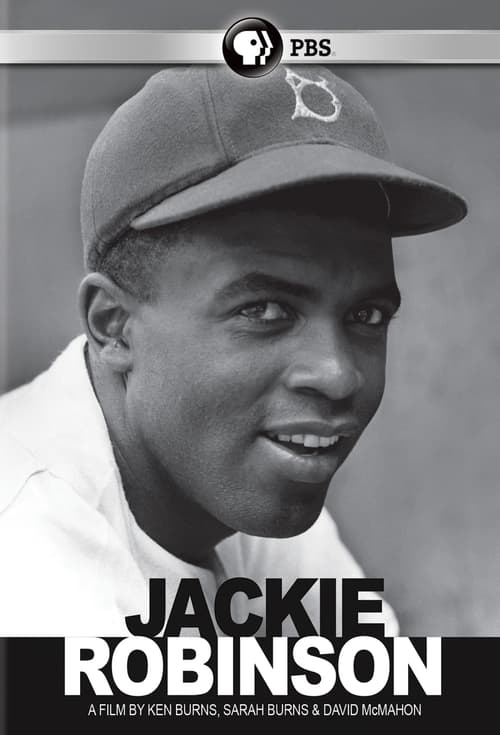
Jack Roosevelt Robinson rose from humble origins to cross baseball’s color line and become one of the most beloved men in America. A fierce integrationist, Robinson used his immense fame to speak out against the discrimination he saw on and off the field, angering fans, the press, and even teammates who had once celebrated him for “turning the other cheek.” After baseball, he was a widely-read newspaper columnist, divisive political activist and tireless advocate for civil rights, who later struggled to remain relevant as diabetes crippled his body and a new generation of leaders set a more militant course for the civil rights movement.