Loading titles…
Documentary
David Attenborough presents the history and natural history of the Mediterranean lands.
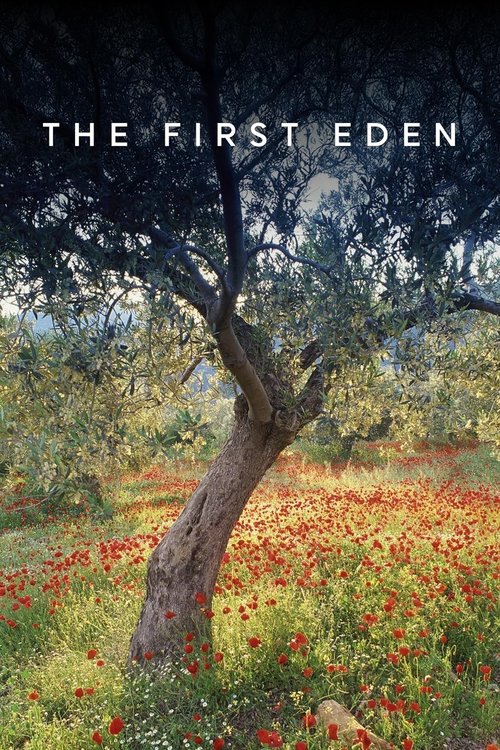

David Attenborough travels from France to Syria to explore the Mediterranean. The opener charts the creation of the sea's basin and surveys the area's wildlife, including chameleons, porcupines, flamingos, spoonbills, storks and monkeys.
Changing attitudes toward animals. Included: the worship of bulls and birds in ancient Egypt; the use of animals in spectator sports during the Roman Empire. Also: a visit to Crete to see olive oil being made and men diving for sponges. David Attenborough hosts.
David Attenborough visits Jordan, Spain, Italy and Malta. Included: the Arabs' passion for horses, which were the key to the spread of Islam in Spain; the devastation of forests in Spain for sheep pastures and in Italy for shipbuilding.
How pollution and exploitation, including oil spills and sewage dumping, have endangered wildlife and the Mediterranean terrain. Also: visits to areas where animals still live safely, such as the coasts of Majorca and Tunisia.

Presenter - Narrator

Sky One introduces the start of a new ongoing documentary series that highlights the potential extinction of some of the world's most famous species. Working with Tiger Aspect Productions, the series follows a team of experts assisted by a wellknown personality. Each documentary will highlight the plight of the world's most endangered animals including the tigers of India, Aye-Ayes and Gorillas. Presenters include Sanjeev Bhaskar, Bill Bailey, Miranda Richardson and Joe Simpson. Each of the presenters will draw on the expertise of local teams campaigning to save the endangered species and work with conservationists to develop and implement strategies to help in their fight for survival.
Geologist Iain Stewart explain in three stages of natural history the crucial interaction of our very planet's physiology and its unique wildlife. Biological evolution is largely driven bu adaptation to conditions such as climate, soil and irrigation, but biotopes were also shaped by wildlife changing earth's surface and climate significantly, even disregarding human activity.