Loading titles…
Documentary
One hundred years after the passage of the 19th Amendment, The Vote tells the dramatic culmination story of the hard-fought campaign waged by American women for the right to vote — a transformative cultural and political movement that resulted in the largest expansion of voting…
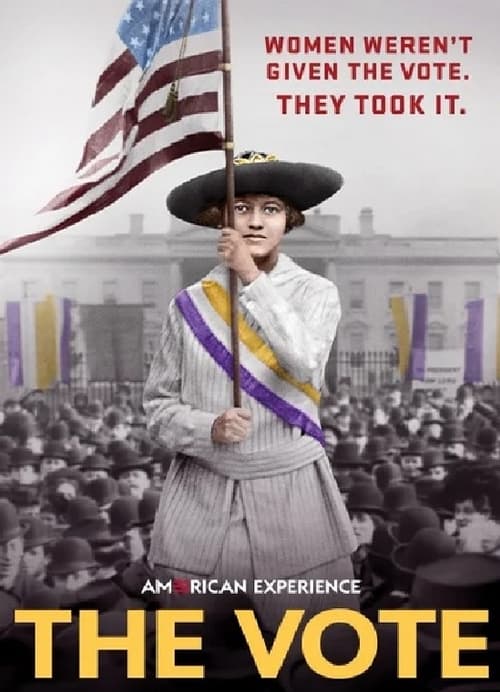
100 years after the 19th Amendment passed, The Vote tells the dramatic story of the hard-fought and transformative campaign waged by American women for the right to vote, resulting in the largest expansion of voting rights in U.S. history.
Second of 2 2-hour episodes. Final few years of the struggle for woman suffrage, focusing substantially on the efforts of Alice Paul. Also sometimes airs as 4 one-hour episodes.

Narrator (voice)

Cast
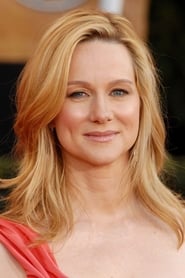
Cast

Cast

Cast
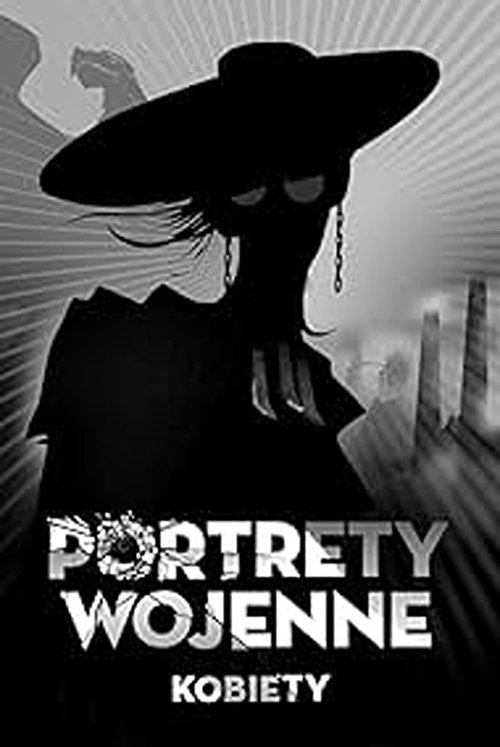
A documentary series about heroines of the II World War. Stories told from the perspective of the characters are full of emotions and tension, they show courage, sacrifice, willpower but also recklessness or pragmatism. Characters of the series are not flawless monuments but regular women with their own problems, who happened to play an important role in the history. The visual style of the project is animadoc. It comprises archival materials, interviews with experts, and sequences of fictionalised scenes: shots stylised as comic frames, where an actor is connected with scenography hand-drawn by comics illustrators.


It's 1910 and we're in Banbury church hall at the Banbury Intricate Craft Circle. Margaret has been to London and discovered the Women's Suffrage movement so she decides they need to set up their own movement and The Banbury Intricate Craft Circle becomes the hilariously ineffectual Banbury Intricate Craft Circle politely request women's Suffrage. Gwen is the only member who actually enjoys the craft element of the meetings, while Helen thinks that craft is a little unnecessary, but she's not interested in women's rights: "What on earth do women need a vote for? My husband votes for who I tell him to vote for. What could be a better system than that?"
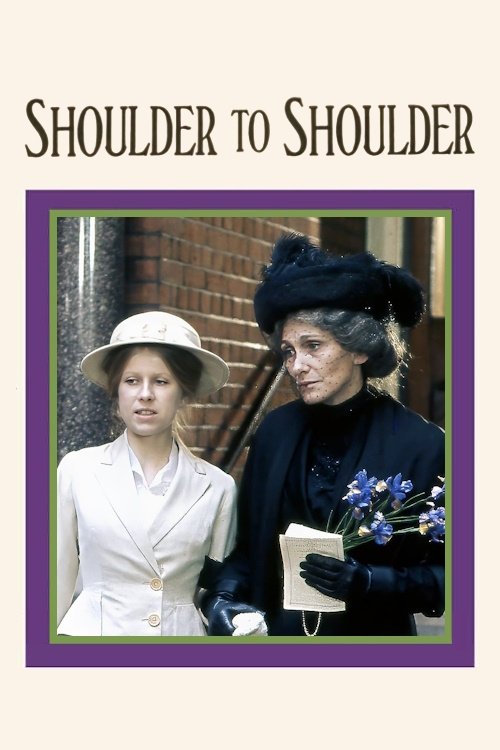
Shoulder to Shoulder is a 1974 BBC drama serial created through the collaboration of actress Georgia Brown, filmmaker Midge Mackenzie, and producer Verity Lambert. A dramatisation of the history of the women's suffrage movement in Britain, focusing on the Pankhurst family and their fight for women's right to vote, the six-part series, starring Siân Phillips as Emmeline Pankhurst, is considered a landmark in feminist television drama.
Driven was a motoring television programme launched by Channel 4 in 1998 as a rival to the successful and long-running BBC series Top Gear. The style was similar to its rival, but with additional features such as the "Driven 100", a road test of three cars in the same class, where each car would be given marks for qualities such as practicality, desirability and cost of ownership. The car with the highest total score would be the winner. The programme launched with the concept that the presenters should interact with each other rather than present items on their own, as was then the case on Top Gear. The first series also featured a "headquarters", a racing team truck, set on a former air force base at which cars were put through their paces. These concepts resurfaced in the reborn Top Gear soon after.