
Loading titles…
Documentary / War & Politics
Finding a way to end a war. Insiders tell the long and troubled story of a chaotic conflict, revealing the political pressures that helped seal the fate of Afghanistan.

Finding a way to end a war. Insiders tell the long and troubled story of a chaotic conflict, revealing the political pressures that helped seal the fate of Afghanistan.
Key players on all sides give a unique insight into the political manoeuvrings behind the scenes that led to the dramatic fall of Kabul in 2021.
No cast information available.

There's a Prime Minister in the attic, a coffee bar in the basement, and a wallpapered labyrinth of romance, crisis and heartbreak in-between. Set in the only terrace house in history with mice and a nuclear deterrent, it's the only knock-through in the world where a hangover can start a war. The government will be fictional and unspecific, but the problems will be real. We'll never know which party is in power, because once the whole world hits the fan it barely matters.
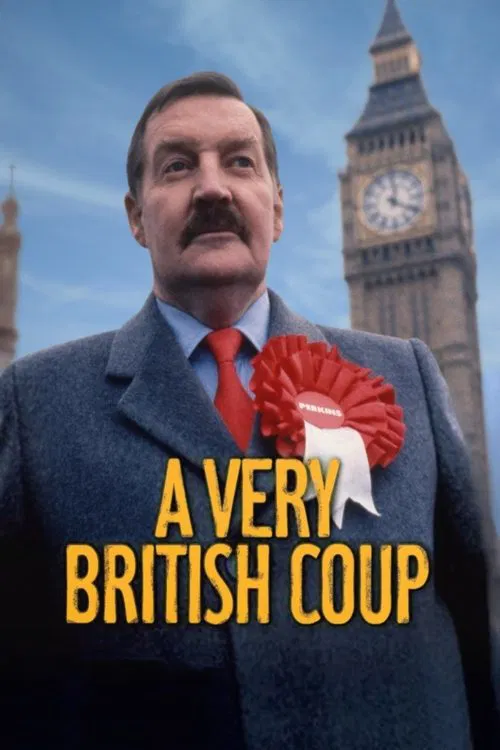
Working-class, left-leaning Harry Perkins is elected PM. As he works to implement social change via democratic process, the conservatives and their allies quietly begin working to remove him. Perkins' goals include nuclear disarmament, the dissolution of newspaper monopolies, open government and the closure of all US military bases on UK soil. While many members of the govnerment oppose him, he finds some support in Home Secretary Joan Cook and key members of his staff.


The elite Combat Rescue members of the U.S. Air Force, Pararescuemen, or PJs, have one mission: rescue American or Allied forces in extreme danger. Whether their targets are shot down or isolated behind enemy lines, surrounded, engaged, wounded, or captured by the enemy, PJs will do whatever necessary to bring those in peril home. For the first time in their history, the PJs allow camera crews to cover their missions in Afghanistan. Inside Combat Rescue is the story of the lives of these elite airmen.


The story of an empire: From its founding in 1922 to its dissolution in 1991, the Soviet Union was shaped by revolutionary idealism, but also by oppression and decay. The USSR evolved from Stalinist terror through the Thaw under Khrushchev to political processes such as glasnost and perestroika under Gorbachev. Finally, in 1991, it collapsed.

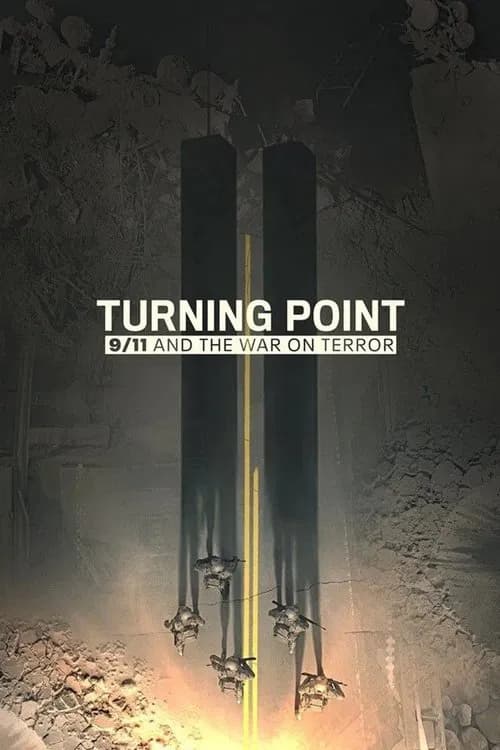
Modern history can be divided into two time frames: before 9/11 and after 9/11. This five-part docuseries is a cohesive chronicle of the September 11, 2001 attacks on the U.S., offering illuminating perspectives and personal stories of how the catastrophic events of that day changed the course of the nation.


