Loading titles…
Documentary
In his most personal project to date, Simon Schama looks back at the dramatic history that has played out in his lifetime. Best known for writing history, he has lived a fair bit of it too. Born in 1945, on the night of the bombing of Dresden, Simon grew up as part of a…
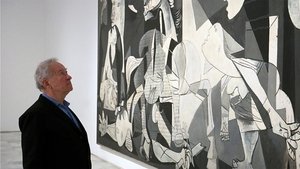
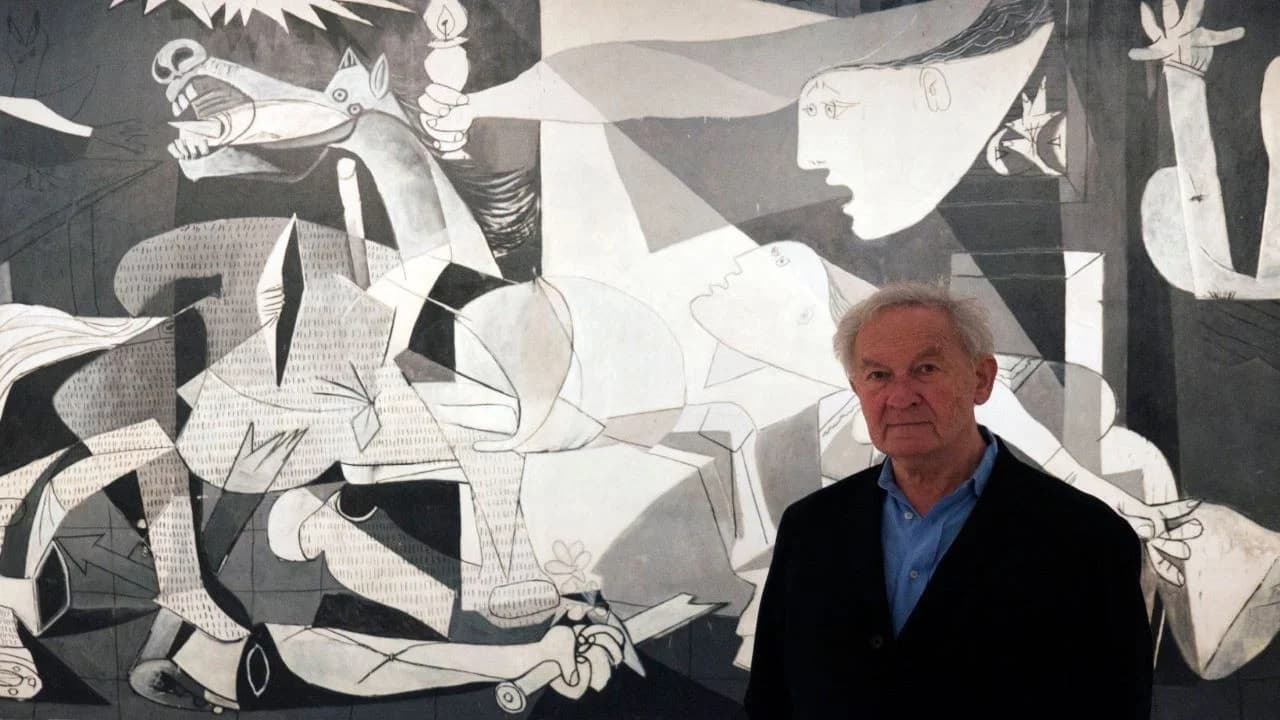
Simon opens the film with Picasso’s Guernica. Painted in 1937, in response to the bombing of a small town by the Nazis in the Spanish Civil War, no work of art has so powerfully captured the true horror of civilian bombings. Ever since, Picasso’s masterpiece has stood as a testament to the power of art to preserve the historical record and to speak truth to power.
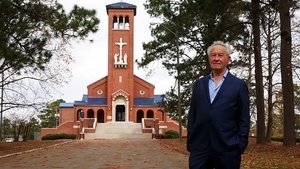
Simon Schama explores the artists at the vanguard of the fight for equality in the decades after the Second World War. He revisits his childhood as a Jewish boy in Southend and his memories of seeing James Baldwin debate William Buckley at the Cambridge Union, explores the story behind Nina Simone's classic civil rights song Mississippi Goddam, and meets Coleman Woodson Junior, who was part of the historic Selma to Montgomery march in 1965.
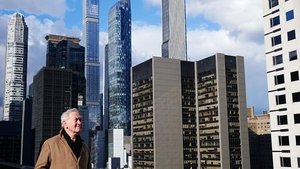
After the Second World War, there were deep divisions in America about how to move forward. Should it be a social democracy, in which a benevolent state would look after its most vulnerable citizens? Or should it put its faith in individual enterprise and the free market to provide plenty for all? Simon Schama examines how the filmmaker Charlie Chaplin and author Ayn Rand created radically different visions of how this new postwar world should work, and how writers such as Rachel Carson drew attention to the damage being inflicted on the natural world. He talks to author Margaret Atwood about how Carson inspired her own work and to photographer Edward Burtynsky about his photographic projects to document haunting images of the pursuit of consumerism.
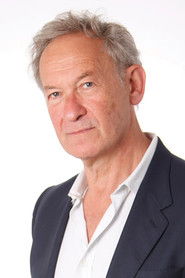
Self - Presenter
During the turbulent 19th century, a number of brilliant French artists developed the Romantic movement in Paris: writers Victor Hugo, Alexandre Dumas, George Sand, Honoré de Balzac and Charles Baudelaire, painter Eugène Delacroix and composer Hector Berlioz, among others, changed the way of looking at art and created enduring works that have inspired the world to this day.
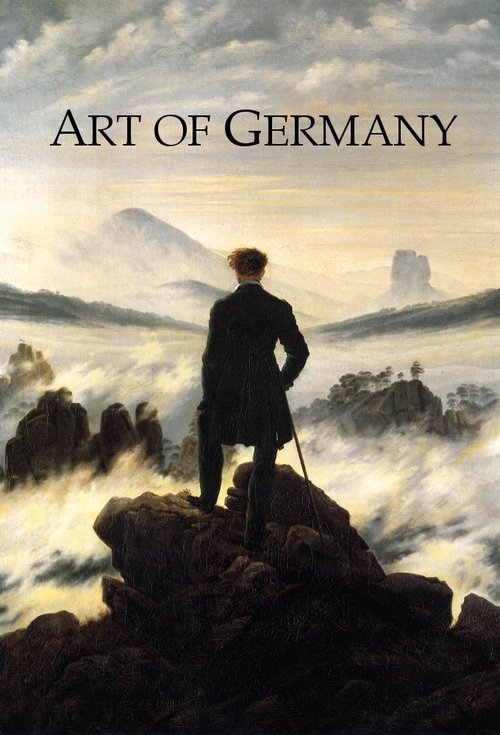
In an absorbing study, Andrew Graham-Dixon tells the story of a national art that conveys passion, precision, hope and renewal. He juxtaposes escapism with control and a deep affinity with nature against love for the machine. The fascinating story takes us from the towering cathedral of Cologne, the woodcuts of Albrecht Dürer and paintings of Grünewald to the gothic fairytale Neuschwanstein Castle, the Baltic landscapes of Caspar David Friedrich and the industrialisation lent expression of Adolph Menzel and Käthe Kollwitz. As the series progresses, it presents a rare focus on the cultural impact of Hitler's obsession with visual art, reveals how art became an arena for the Cold War and examines the redemptive work of the "visionary" Joseph Beuys – the most influential artist of modern times.

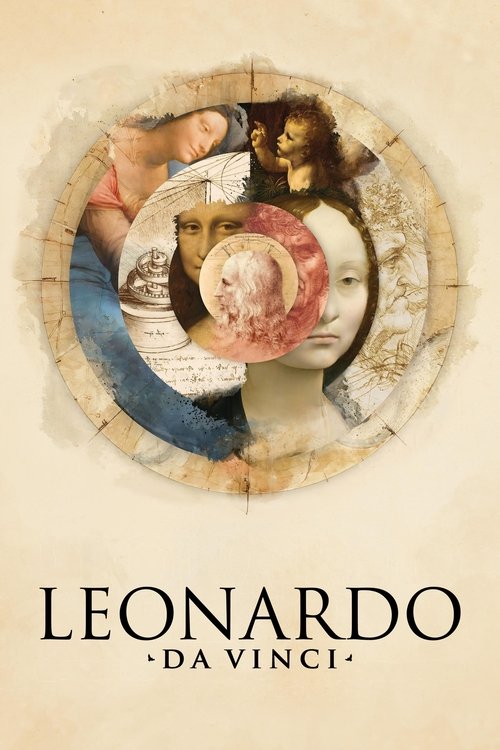
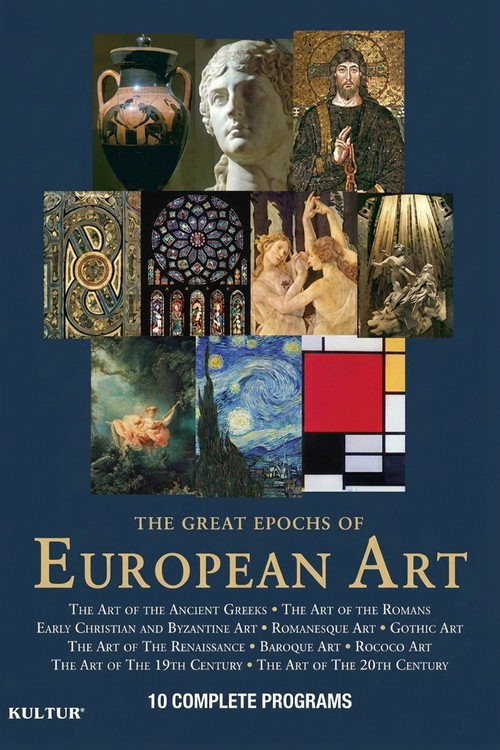
Ten programs filmed across Europe explore the history of European art through masterpieces of architecture, sculpture, and painting. The series spans from Greek and Roman art to Christian, Byzantine, and Gothic styles, followed by the Baroque, Rococo, and the artistic movements of the 19th and 20th centuries.