Loading titles…
Documentary
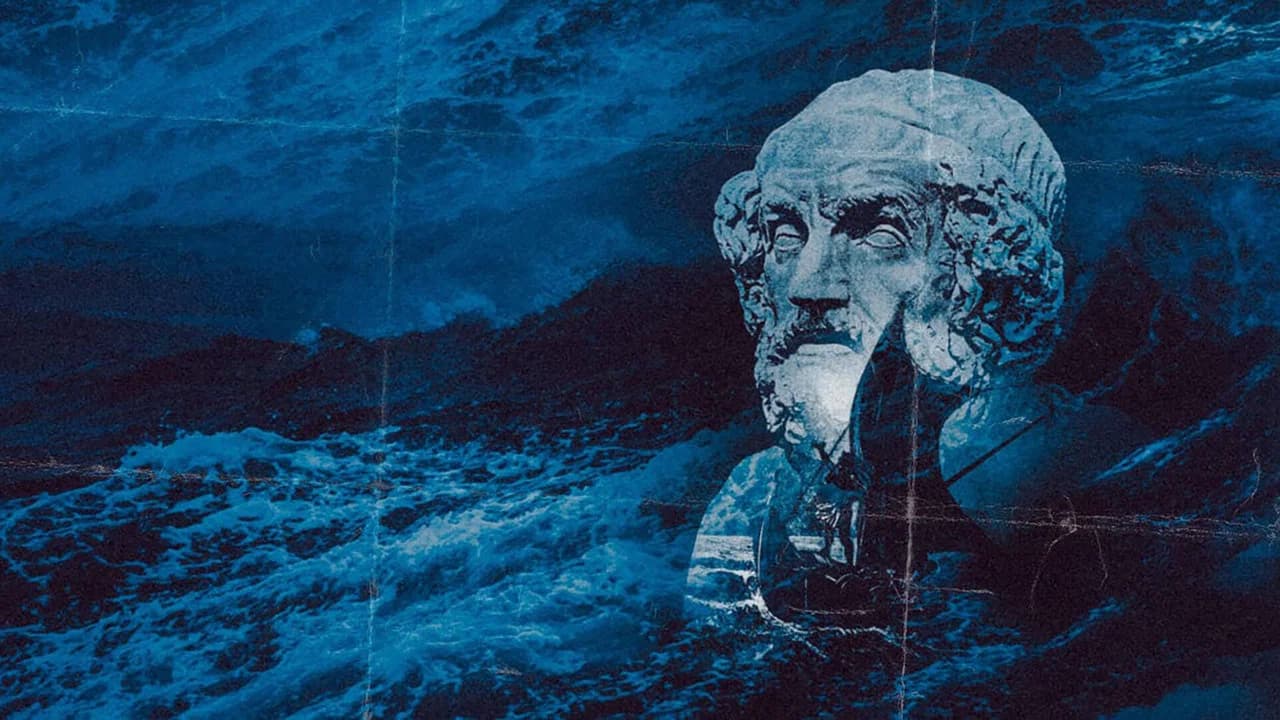
Who was Homer, and what is the meaning of The Odyssey? In this documentary we follow the footsteps of Ulysses, also known by his Greek name Odysseus—a hero as relevant today as he was nearly three thousand years ago, on a journey across some of the most fascinating landscapes…

No cast information available.

Myths die hard, and the history of the 20th century is no exception to this rule. Even today, we hold popular beliefs that we take for Evangelical truths. Thus, we believe that Hiroshima caused Japan to surrender, that the Marshall Plan saved Europe, that Adolf Hitler was a military genius, or that Mao Zedong was a necessary evil for China’s modernization. Of course, these judgements contain some truth; but, too broad-stroked to be accurate, they contradict the historical reality by denying its complexity. What if the truth was slightly different? Through an exploration of great national or international myths, this full archive documentary collection revisits the key moments of the 20th century with a new perspective in order to provide a new, smarter and more subtle interpretation, bringing elements to light that have been forgotten or sometimes overshadowed.

For centuries, explorers have searched for the Bible’s most sacred religious artefacts. One of the most mysterious of these objects is the famed Ark of the Covenant. The gold-plated wooden chest – one of the most instrumental symbols of faith and God's presence – was believed to house the two tablets bearing the Ten Commandments. The Ark’s exact whereabouts has long puzzled scholars. Where did it go? And why has it remained such a mystery?

One of the most important historical investigations carried out by Rai, signed by the great Sergio Zavoli with the collaboration of Luciano Onder and Edek Osser and the scientific consultancy of Alberto Aquarone, Gaetano Arfé, Renzo De Felice, Gabriele De Rosa, Gastone Manacorda and Salvatore Valitutti. The six-part series, broadcast for the first time in the autumn of 1972, represented, half a century after the "March on Rome", a significant assessment of the years of the advent of the Mussolini regime, recalled with the rigor of the best television journalism (Saint-Vincent Award 1973) and through the direct testimonies of over fifty protagonists of the time, both fascists and anti-fascists.

Tutankhamun, Ramses the Great, Cleopatra, Khufu…these legendary pharaohs built the wonders of Karnak, Luxor and the pyramids of Giza before their civilization faded into obscurity. But in 1798, Napoleon Bonaparte’s expedition to Egypt reopened the doors to a forgotten world and ignited a fascination with Ancient Egypt that continues to this day. Bold explorers, such as Jean-François Champollion and Giovanni Battista Belzoni, risked everything to unearth these wonders. Archaeology became a conquest, and Egypt’s heritage was plundered by tomb raiders - until Auguste Mariette laid the foundations of modern Egyptology. This immersive series reveals the splendor of the pharaohs and the feats of the explorers.
Days that Shocked the World explores the most iconic disasters of the last 50 years, combining eye-witness testimony with powerful archive footage, to learn how each tragedy changed both the lives of individuals and the world. The anthology series features one- and two-part episodes that coincide with key anniversaries of these defining global events: including the Challenger Space Shuttle explosion in 1986, the Chernobyl nuclear disaster of the same year, the 2000 Air France Concorde crash, the 9/11 terrorist attacks in 2001 and the 2011 Fukushima earthquake and tsunami.