Loading titles…
Documentary
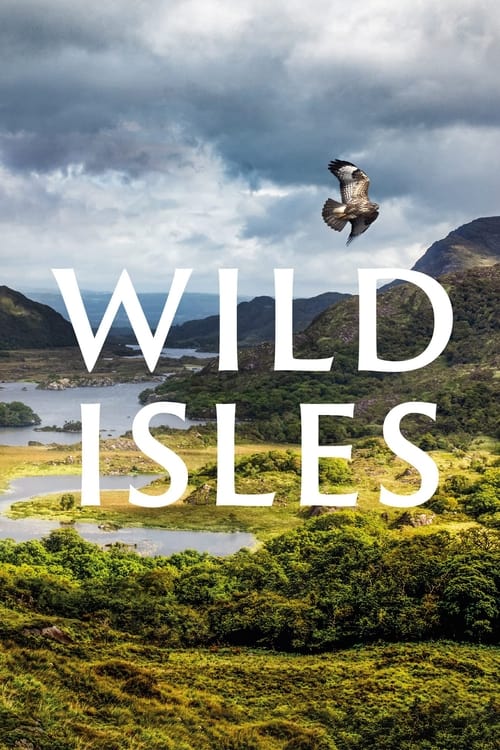
The journey through Ireland begins in the Rugged North, in the middle of the rough and untamed nature. From there, we travel to the West of Ireland, where the original, traditional life is preserved. From the traditional west, our route takes us to the popular south, with a…
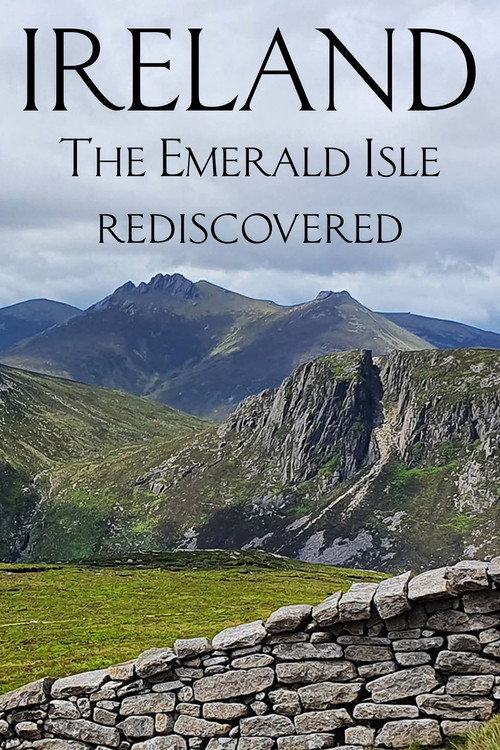
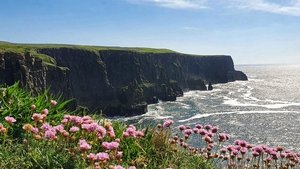
From the barren island of Arranmore to steep piers off the Atlantic coast, to extensive sandy beaches to moor and rocky landscapes: many areas are still a real insider tip. Often left out of tourism due to the cool weather. While the north-west of the island is part of the Republic of Ireland, the north-east is part of Great Britain. In the rocky north-west of Ireland in particular, life mostly takes place on the coast. A life with tradition and craftsmanship that offers space for challenges and adventures. Despite the often difficult living conditions, people often find surprising ways to defy the challenges.
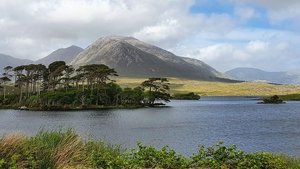
Ireland's harsh west was shaped by the retreat of the last Ice Age glaciers. The "Burren" region was once a coral reef and is now a unique natural area. There, the natural diversity of species is preserved with sustainable animal husbandry. Likewise on water: in the Connemara region, researchers are gaining knowledge about maritime life and are looking for innovative, sustainable ways to use the sea as a source of food. Off the coast are the Aran Islands. There, too, people learn from the past and live culture. In traditional farming or in the ancient Irish language. Even though the advent of modernity has changed many things, the inhabitants of the west keep their traditions and revive old customs.
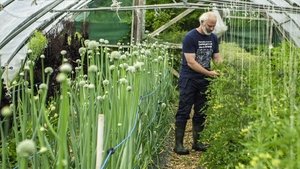
With its mystical, green landscape and dreamy lakes, the south of Ireland comes closest to the cliché image of the "Emerald Isle". This makes the southwest in particular, where several mountainous peninsulas jut out into the Atlantic, the most popular holiday region in the country. The villages are colorful and lively. The area is also home to a wide variety of animal species on land but especially on water: various species of whales and rare basking sharks. The microclimate naturally allows for a type of temperate rainforest of high ecological value. Much of Ireland once looked like this. The subtropical character of the south attracts individualists and travelers alike. The natural spaces are unique, but also sensitive and endangered.
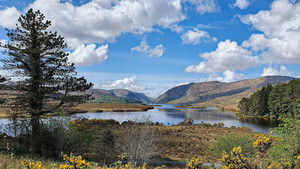
The eastern part of the island is a center of culture, but also of history. This is where old and new Ireland meet: on the one hand the modern capital Dublin, an IT and business metropolis. Next to Newgage and Knowth, impressive Celtic burial mounds from prehistoric times. In County Wicklow, the influence of English colonial rule has left the great art of horticulture in full bloom to this day. While houseboat tours are now common on Ireland's longest river, the Shannon, Viking ships once raided the country on it. The ancient history with its various influences is omnipresent in the Easter of the Irish island. Where ancient and modern Ireland collide, a new zeitgeist is emerging.
Self - Narrator (voice)
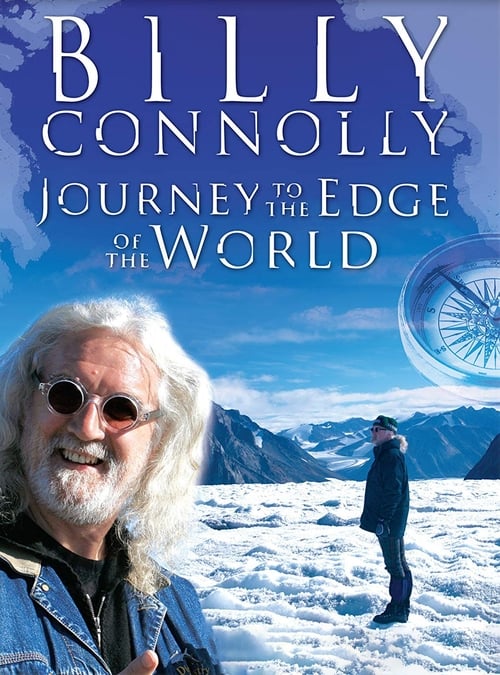

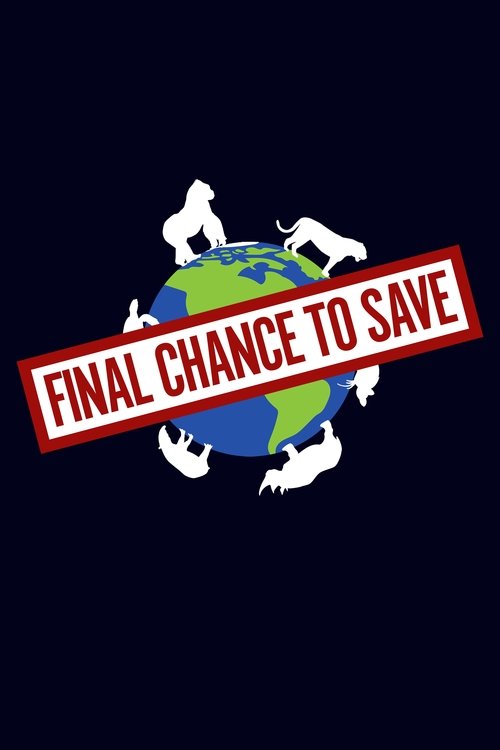
Sky One introduces the start of a new ongoing documentary series that highlights the potential extinction of some of the world's most famous species. Working with Tiger Aspect Productions, the series follows a team of experts assisted by a wellknown personality. Each documentary will highlight the plight of the world's most endangered animals including the tigers of India, Aye-Ayes and Gorillas. Presenters include Sanjeev Bhaskar, Bill Bailey, Miranda Richardson and Joe Simpson. Each of the presenters will draw on the expertise of local teams campaigning to save the endangered species and work with conservationists to develop and implement strategies to help in their fight for survival.
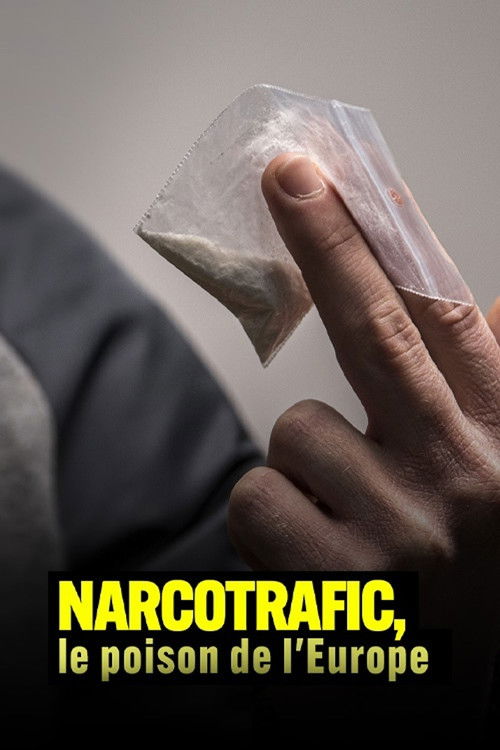
The specter of drug trafficking haunts Europe. Struggling with ultra-violent criminal groups that control the vast majority of cocaine trade, European police forces are overwhelmed. The epicenter of all this trafficking: the Netherlands. A nation at the forefront of international trade and drug policy. This two-part film delves into the origins of European drug trafficking through the unique history of the Kingdom of the Netherlands.
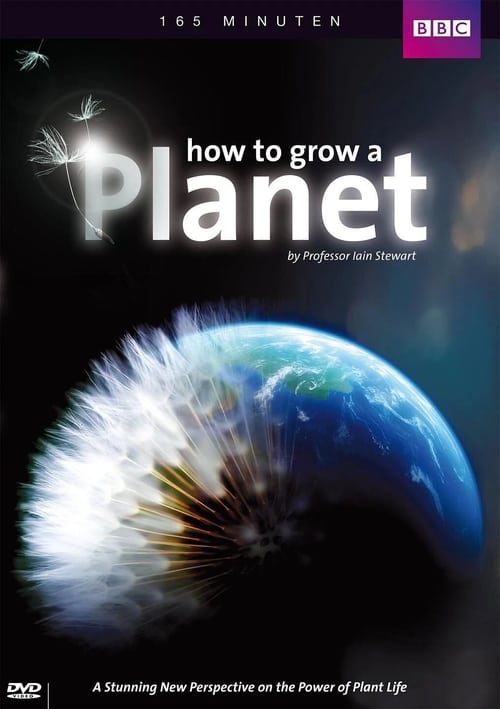
Geologist Iain Stewart explain in three stages of natural history the crucial interaction of our very planet's physiology and its unique wildlife. Biological evolution is largely driven bu adaptation to conditions such as climate, soil and irrigation, but biotopes were also shaped by wildlife changing earth's surface and climate significantly, even disregarding human activity.