Loading titles…
Documentary
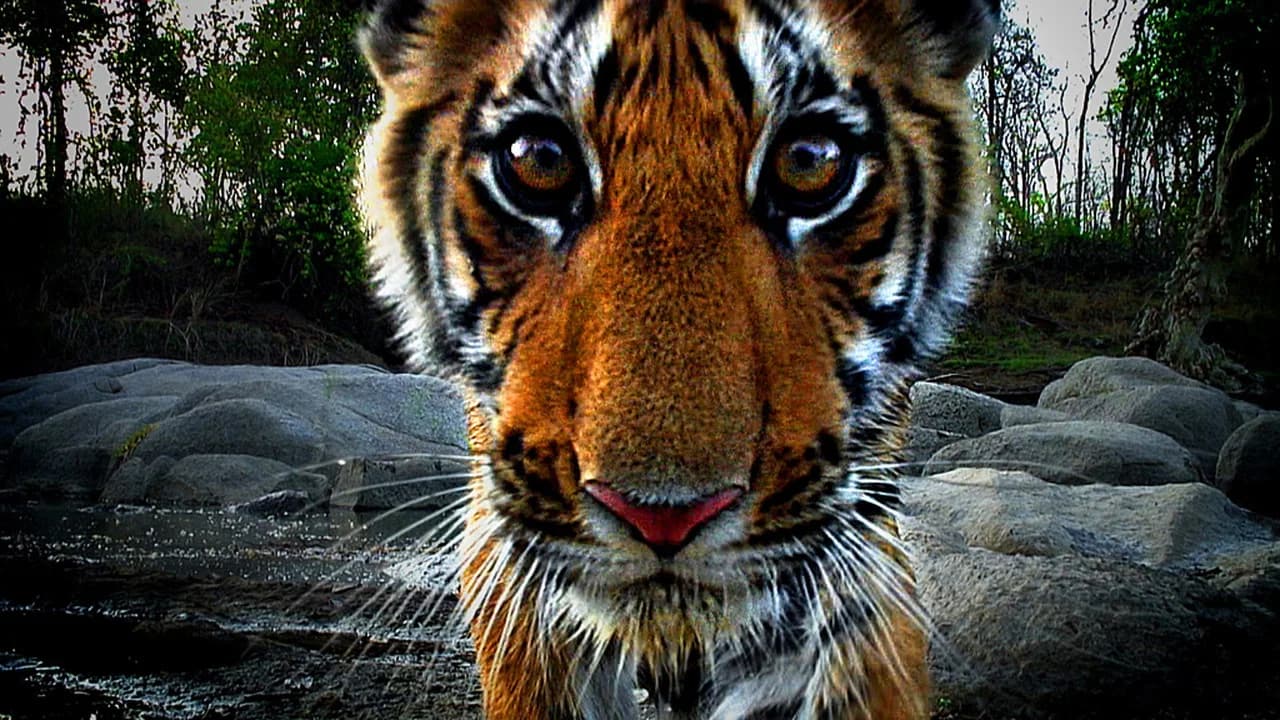
David Attenborough narrates the lives of four growing tiger cubs using footage collected by hidden-camera-carrying elephants. Over two years, the elephants help capture the most intimate portrayal of tigers ever filmed.
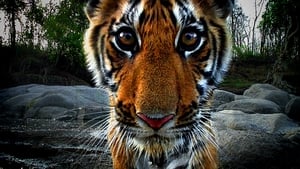
Four 10-day-old tiger cubs, two females and two males, are living in the Indian jungle. This is their mother's first litter and the cubs insist on tumbling out of the den, only to be carried delicately back to safety in her massive jaws. As they grow, their diet changes from their mother's milk to meat. At 14 weeks they can eat over a kilo of meat a day between them - the equivalent of 20 large steaks. It's a good job that this tigress is such a skilled hunter and that spotted and sambar deer are so plentiful. Charger, their imposing father, keeps his distance but helps to protect his vulnerable offspring from rogue male tigers and leopards. Life seems sweet, until one day the cubs are left home alone and one of their greatest threats, an Indian leopard is near by.
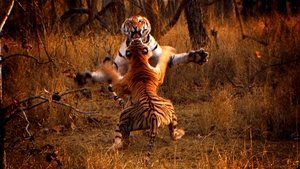
The cubs are half grown and still pretty playful but it's time to learn the hunting and fighting skills they'll need as adults. Play fighting erupts between them - it looks nasty, but their claws are never drawn. The young tigers have huge appetites and their mother must hunt successfully most days to satisy them. When they're not eating, playing or fighting, the cubs sleep - and tigers love water, so a cooling water hole is perfect on a steaming day. The spy cameras show that this wallow is also a magnet for a whole array of other forest animals, including wild boar and sloth bears. The cubs are starting to behave as individuals and take personal hunting tuition from their mother. Then disaster strikes when both their parents are injured, and a rogue male tiger puts in an appearance. They still have a lot to learn.
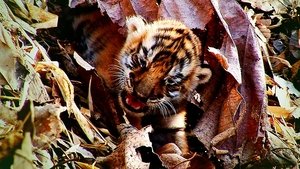
The cubs are beginning to gain their independence. They must hone their hunting skills, and the two males must prepare to leave their mother and sisters and face the world on their own.

Cast

India with Sanjeev Bhaskar is a four-part documentary from the BBC in which Sanjeev Bhaskar travels to India with director Deep Sehgal. The documentary was created as part of the BBC's series of programmes on the 60th anniversary of the independence of India and Pakistan. The series was broadcast between 30 July and 20 August 2007.
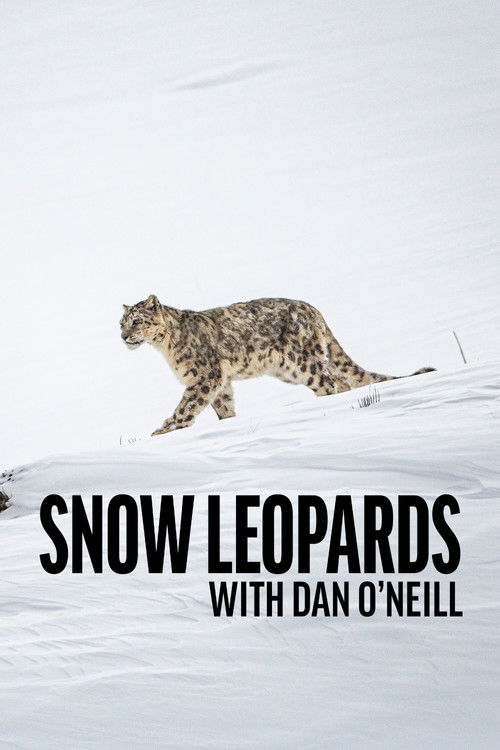
Biologist and naturalist Dan O'Neill embarks on a groundbreaking mission to protect one of the world's most elusive creatures—the snow leopard. Set against the stunning backdrop of Kyrgyzstan's rugged mountains, this two-part adventure follows Dan as he works to build a new research center dedicated to studying these majestic cats.
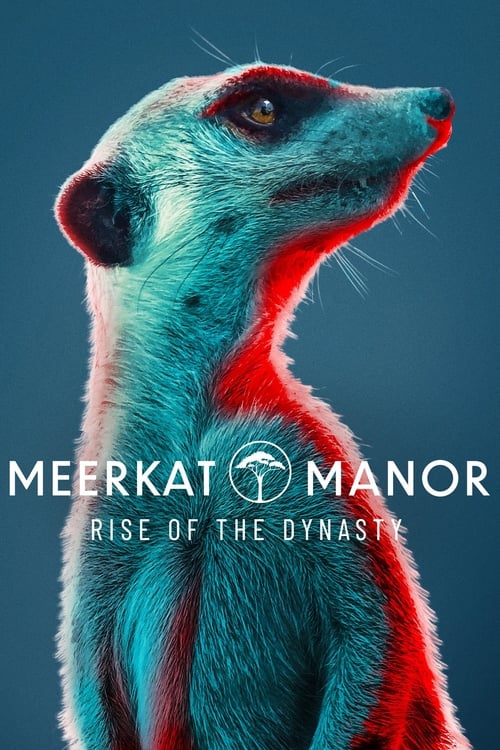
Continuing the compelling saga of the heartstring-tugging, dramatic tale of survival revolving around three families of meerkats who are descendants of the legendary meerkat matriarch, Flower. Neighbors and rivals who share a bloodline are forced to compete for food and resources in an environment that is undergoing a great deal of change: the Kalahari Desert in South Africa.

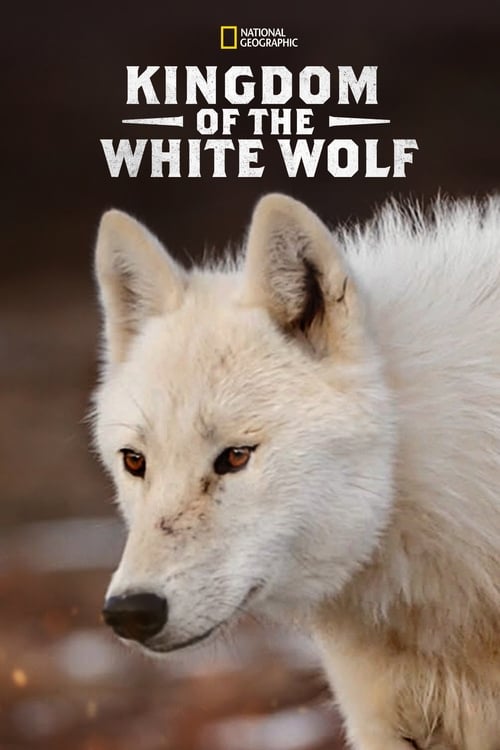
Ronan Donovan, our expert guide and National Geographic photographer, takes the audience on an intimate exploration of the Arctic during the endless day of the summer months, giving insight to the unexpected abundance of the 'Garden of the Arctic' in Wolf Valley as he attempts to embed with a wolf family pack.
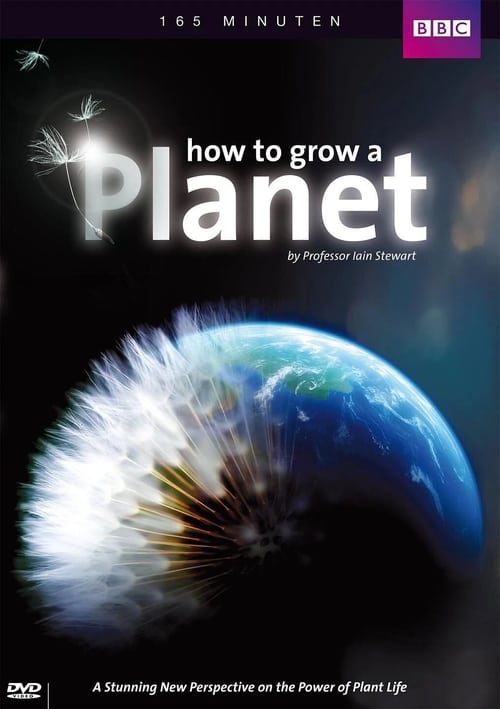
Geologist Iain Stewart explain in three stages of natural history the crucial interaction of our very planet's physiology and its unique wildlife. Biological evolution is largely driven bu adaptation to conditions such as climate, soil and irrigation, but biotopes were also shaped by wildlife changing earth's surface and climate significantly, even disregarding human activity.