


Loading titles…
Documentary
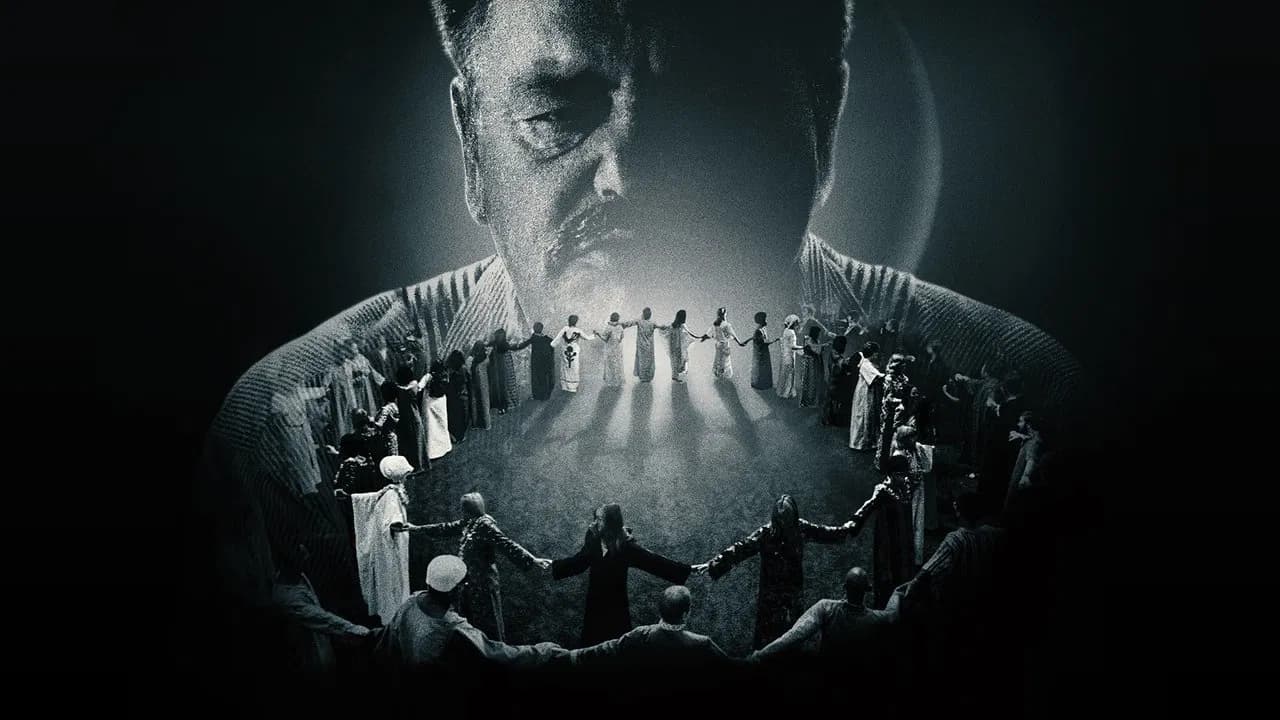
Explore the rise and fall of the Synanon organization — through the eyes of the members who lived it — from its early days as a groundbreaking drug rehabilitation program to its later descent into what many consider a cult.


Recovering alcoholic Chuck Dederich opens a storefront drug rehabilitation program that gains a following through its confrontational talk-therapy approach. As the program attracts non-addicts and celebrity followers, Synanon grows into a social movement that rapidly expands across the country.

By the 1970s, Synanon boasts its own farm, a school, and multiple businesses, but Chuck’s utopian vision begins to crack. As members face more extreme edicts, including mandates to quit smoking, separate from their children, and shave their heads – many find themselves weighing the benefits and costs of the choices they’re forced to make.

Chuck’s behavior becomes more belligerent and abusive. He forms a military-like boot camp for delinquent children where corporal punishment abounds. He mandates vasectomies and abortions and, when his wife dies, he quickly remarries and decrees that all current relationships must end so that everyone can find new partners. Many members divorce and remarry, which some of them later regret. TIME Magazine publishes “Swinging at Synanon” and Chuck sues for $76 million as his paranoia grows.

In 1977, the Los Angeles Times reports on the nine-day abduction of Frances Winn by Synanon. Lawyer Paul Morantz wins a settlement case in her favor. With media focus heating up, Chuck spends $62,000 on guns and ammunition, at the time the largest single firearms purchase in California history. Soon thereafter, he allegedly orchestrates an attempt on Morantz’s life. He is sentenced to five years probation. Drinking again and diagnosed with mental illness, Chuck loses everything and dies in a nursing home, leaving a troubled legacy as a creative, but unchecked genius. Many adherents are left to piece together their lives in the aftermath without Synanon.
Self
Self
Self
Self
Self
Self
Self
Self

Julien Roussin-Côté sets out to discover a new way of life, spending time with a different character. This opens the doors of his home, but also of his daily life. The objective of our adventurer is always the same: to understand the life choices of our “disconnected”, in order to feed his own reflection on his lifestyle.


"Back Pack Series" (English: Back Pack Series) is a travel program series filmed and produced by TVB. There are currently four series in the program series, namely "Backpack America", "Backpack Utopia", "Backpacking Morocco" and "The North Of South America", hosted by Chris Leung Yin Chung from the perspective of backpackers to travel around the world .


FINDING YEEZUS is a six-part investigative comedy web-series starring comedians and pop-culture detectives Cameron James and Alexei Toliopoulos. The pair embark on an action-packed investigation to find out who made ‘Kanye Quest 3030’ – an infamous RPG game that went viral in 2013 after a hidden level was uncovered with potential links to the cult ‘ascensionism'.


The story of an empire: From its founding in 1922 to its dissolution in 1991, the Soviet Union was shaped by revolutionary idealism, but also by oppression and decay. The USSR evolved from Stalinist terror through the Thaw under Khrushchev to political processes such as glasnost and perestroika under Gorbachev. Finally, in 1991, it collapsed.

DMX: Soul of a Man was a reality television series that recorded the daily life of African American rapper DMX, primarily aired on Black Entertainment Television. The show included various aspects of his personal and religious life. The theme song Lord Give Me A Sign is a single from his album "Year of the Dog...Again". The show featured DMX, Tashera Simmons,, Ali Samii, Jack Hudgins, Randy Acker, Swizz Beatz and his unexpected cowboy friend and neighbor Buddy Wood.

The four-part documentary series explores how substances that are now considered illegal drugs came to Finland. The concept of illegal drugs was only born in the 1960s. Before that, cannabis, opium, morphine, heroin, cocaine and amphetamine were mainly medicinal substances that were also occasionally abused.
