
Loading titles…
Documentary
In 1989, the German polar explorer Arved Fuchs and the South Tyrolean mountaineer Reinhold Messner set out together to reach the South Pole on skis without sled dogs or motor technology and then cross the entire Antarctic. There are problems right from the start because the…
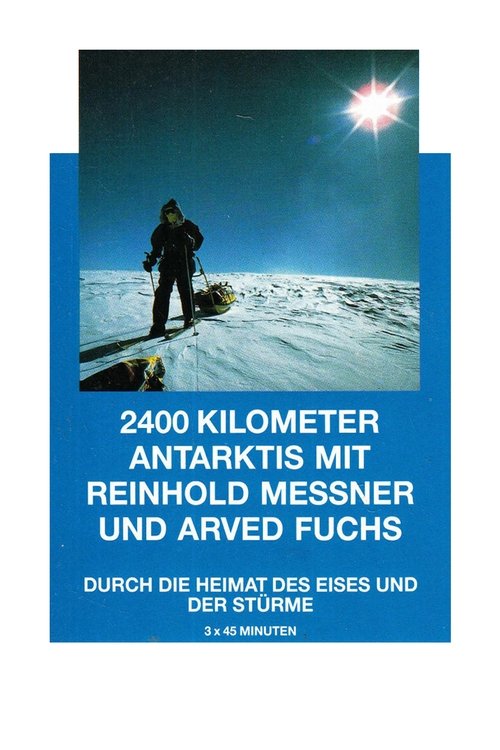

The start of the Antarctic crossing of Arved Fuchs and Reinhold Messner with stopover South Pole is difficult. First, the flight connection between Punta Arenas in South America and the Antarctic base camp with an ancient aircraft not works until the third attempt due to the weather. As in Patriot Hills even the smaller transport plane to the starting point of the expedition is not available, Reinhold Messner gets angry and demands the prepayment back. The route of the two adventurers must be reorganized and shortened by 600 kilometers. Finally, they start on skis with 80 kilograms of sledges per man in the direction of the Thiel Mountains through inadequately explored territory.

The two adventurers' rapid progress in the endless white expanse of Antarctica is made difficult by strong headwinds and so-called Sastrugis, ice-hardened, streamlined snow elevations. They constantly have to take small detours. In addition, Arved Fuchs' feet started to cause problems after 300 kilometers. Bloodshot blisters require makeshift medical care. When the rocky peaks of the Thiel Mountains appear on the horizon, both men feel hopeful because a segment has been completed. It turns out that Arved Fuchs and Reinhold Messner are different characters who have different views on walking rhythm and speed. Conflicts arise. Nevertheless, they pulled themselves together to reach the US Amundsen-Scott South Pole Station in time for New Year's Eve 1989, where they received an euphoric welcome from the researchers stationed there.

After the short stay at the South Pole with its hospitable part-time residents, Arved Fuchs and Reinhold Messner set off again to complete their Antarctic crossing. The much longer part of their adventurous journey lies ahead of them. They have chosen the so-called death route via the Beardmore Glacier and the Ross Ice Shelf, which Robert Falcon Scott once took when he wanted to return from the South Pole and died along with all his remaining men. The goal of McMurdo Bay should be reached within 45 days because the provisions only last that long. Since they now most likely have the wind at their backs, they are equipped with large ski sails, which they want to be pulled along with their heavy sleds. But frozen ice crusts, crevasses and storms keep stopping them again and again, putting the completion of the expedition in jeopardy.

Self - Expedition Member / Portrait Subject
Self - Expedition Member / Portrait Subject
Self
Self
Self
Self

Jane sets off on a mission, travelling from Antarctica to the Arctic Circle to experience bucket-list adventures in some of the most breathtaking places on Earth. Exploring Antarctica, South Georgia, The Falklands, Uruguay, Brazil, Greece, Italy, Norway, Svalbard and the Arctic Circle. It’s an extraordinary route, and JetSetTV can’t wait to bring you along for every moment of it. Taking in incredible landscapes, wildlife and once-in-a-lifetime experiences. Expect helicopter rides, whale watching, unbelievable scenery… and a song or two!
The Endurance Expedition is the most extraordinary adventure and survival story ever told. The greatest explorer of all time, Sir Ernest Shackleton led his 27 men into a frozen hell, and incredibly brought them all back alive. But what was the reality behind the heroic story of their survival? Was it bad luck that left them repeatedly fighting for their lives or is there another story of mistakes, dissent and mutiny to be uncovered through reliving this epic?
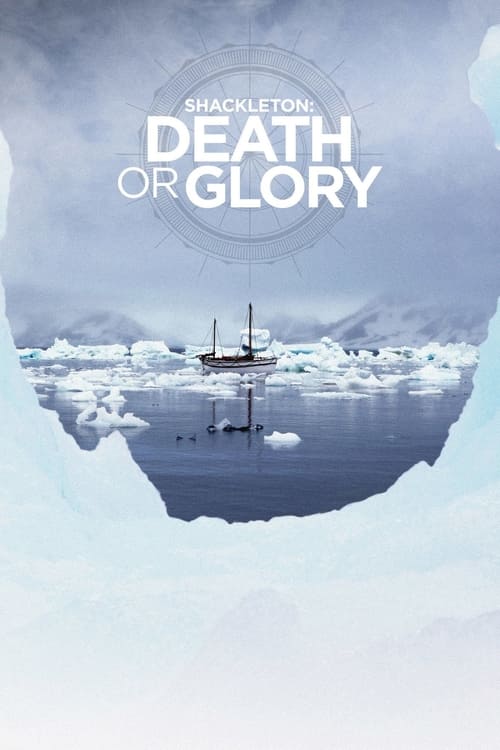
This series follows a modern expedition that re-creates Sir Ernest Shackleton's trans-Antarctic expedition, which launched in 1914. The series joins a crew of five intrepid explorers, led by renowned adventurer, scientist, and author Tim Jarvis, as they duplicate Shackleton's epic sea-and-land voyage in a replica of the original explorer's lifeboat.
Take a journey to Antarctica to experience the world’s most extreme wilderness, to see the massive undertaking it is to support human life there, and to chronicle the world-changing science being done. Embed with missions on the ice, underneath it, and atop some of its peaks, as scientists and survival experts join forces to fight brutal conditions to help change the world.

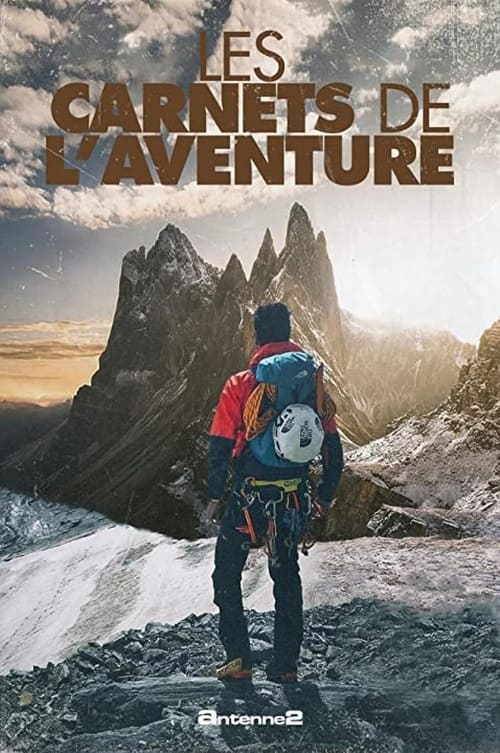
Les Carnets de l'Aventure is a cult French television program of adventure and extreme sports documentaries broadcast on Saturday afternoons on Antenne 2 (France 2) between 1980 and 1989. At the beginning of the 80s, in full transformation of mountain activities into high level sports, Les Carnets de L'Aventure revealed from to the country that invented alpinism to the whole world the "French-Touch" of these talents of the new approach to the mountains and its new disciplines. Patrick Edlinger and solo free climbing with the film La Vie au Bout des Doigts, directed by Jean-Paul Janssen in 1982. But also his brother in arms Patrick Berhault, Christophe Profit in the solo ascent of Les Drus, the trilogies of Jean-Marc Boivin in hang-gliding, the Himalayan expoits of Marc Batard but also those of Patrick Gabarrou, opener of routes in the Alps and elsewhere, Patrick Vallencant and his extreme skiing, Paul-Émile Victor and many others...
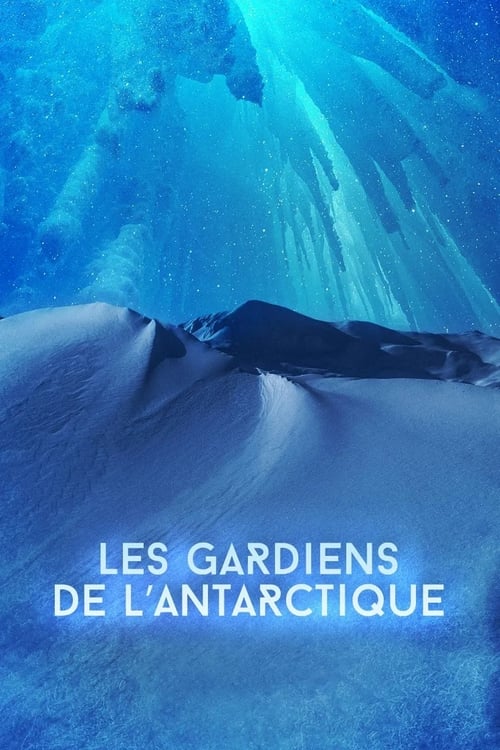
Documentary series aimed at understanding the jobs of the "Ice Rangers": these men and women who manage the practical aspects of the Princess Elisabeth polar station on a daily basis. What drives them to the idea of coming to isolate themselves on this basis? How do they manage to manage their emotions and their private lives? This daily life will be juxtaposed with scientific missions and challenges and, therefore, more universal questions to understand why it is important to continue research in this white continent and what challenges for tomorrow this represents at the planetary and climatic level.