
Loading titles…
Documentary
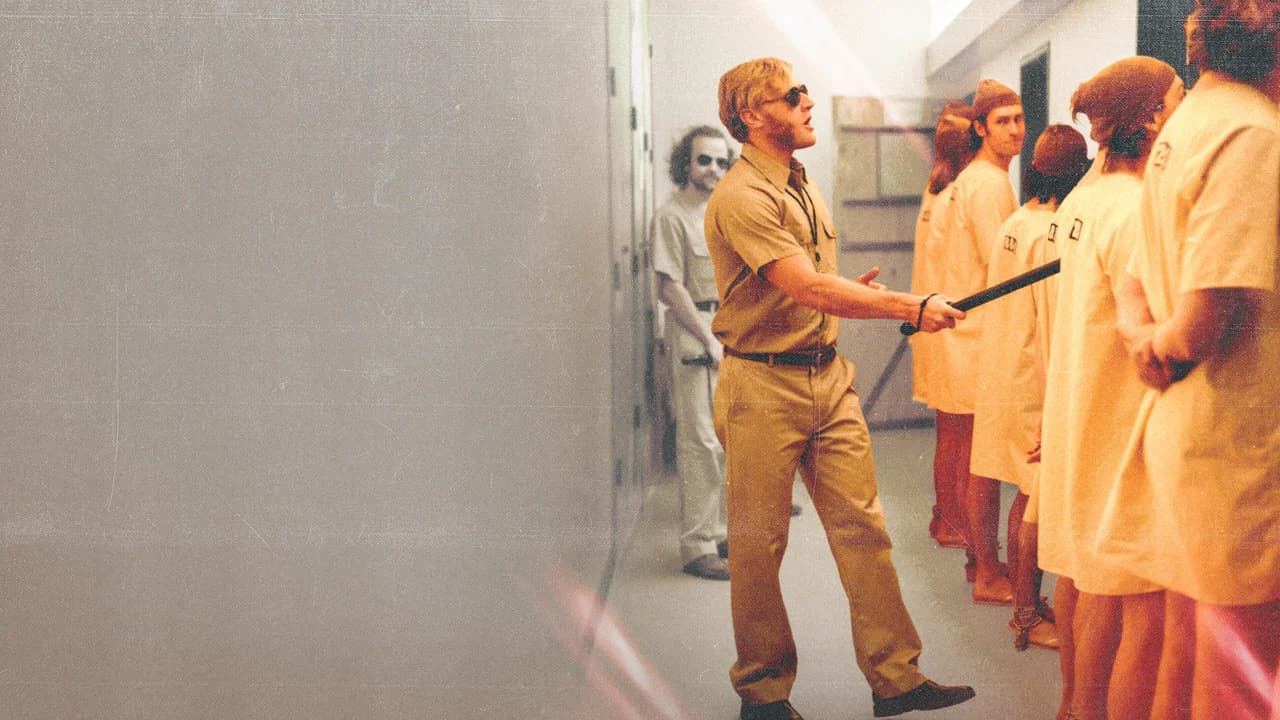
An unprecedented look at the Stanford Prison Experiment, one of history's most infamous psychology studies, through the firsthand accounts of the original "guards" and "prisoners," many of whom are speaking on camera for the very first time.

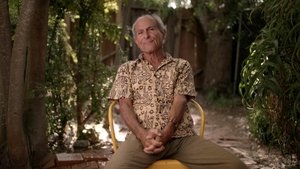
Introducing one of history's most notorious psychological experiments—but with a twist. The study's prisoner and guard participants take a seat in front of the camera to reveal never-before-heard details of an event that has shaped our understanding of human nature and good versus evil for the past 50 years. Together, they track the key events that took place over the six fateful days in 1971.
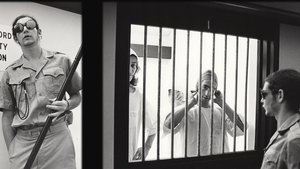
What if we told you the Stanford Prison Experiment is not what it seems? The participants reveal new perspectives surrounding what happened in the fateful hallway, putting to question Dr. Zimbardo's long-held claims. An intrepid French researcher claims that the 50-year-old story is riddled with inconsistencies. Meanwhile, the filmmakers expose their own storytelling devices.
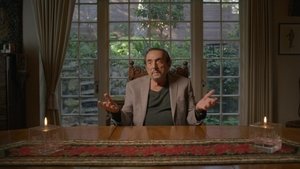
In a pivotal interview, Dr. Zimbardo takes a seat in front of the camera and defends his experiment and its lessons. Meanwhile, an unexpected and exciting reunion takes place that exposes new layers of the story. This isn't a tale about an experiment debunked but rather one about the power of perspective and mythmaking.
No cast information available.




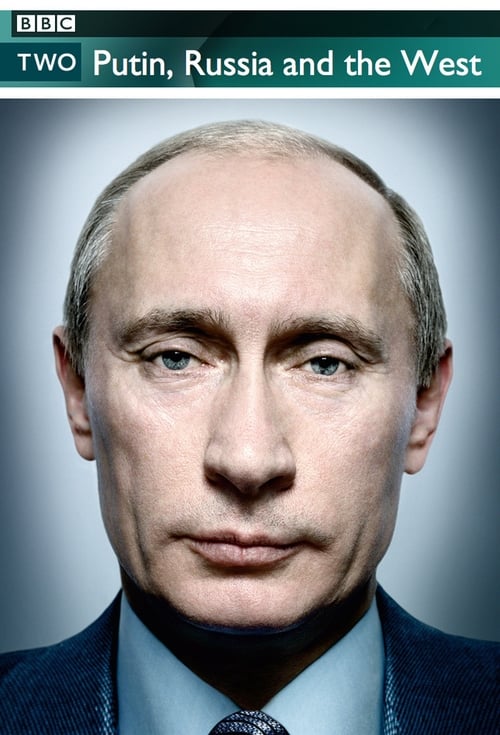
Putin, Russia and the West is a four-part British documentary television series first shown in January and February 2012 on BBC Two about the relationship between Vladimir Putin's Russia and the West. The series is produced by Norma Percy, whose previous series include The Death of Yugoslavia, Israel and the Arabs: Elusive Peace, and Iran and the West. The documentary was criticized by some dissidents for being an apology for Putin's regime.